
From gastric surgeries to liposuction and extreme diets, weight loss has long been a booming industry in the UAE. Now, innovative weight loss technologies are reshaping how residents lose weight. However, doctors warn that much of the weight loss could be muscle instead of fat.
There is a rising demand for GLP-1 weight loss injections, with over 1,600 people registering through virtual healthcare platforms recently.
“We’ve achieved a 100% success rate in weight loss,” stated Keswin Suresh, co-founder of DarDoc, highlighting that patients typically spend about Dh499 monthly on the program.
Stay informed with the latest updates. Follow KT on WhatsApp Channels.
However, he cautioned that without lifestyle support, the results might come at a price. “Around 40% of the weight lost on these drugs could be muscle mass if patients don’t engage in strength training and consume at least one gram of protein per kilogram of body weight,” he explained. To counteract this, DarDoc includes fitness and diet coaching along with prescriptions.

Keswin Suresh
Meanwhile, at GluCare, where patients are monitored via wearable devices and digital coaching, specialists focus on preserving lean mass over just losing weight. “We analyze fat-to-muscle ratios every few weeks,” said Dr. Yousef Said, medical director at GluCare. “Patients sometimes lose weight, but it’s mostly muscle, which is unhealthy. Our goal is to ensure it’s fat loss.”
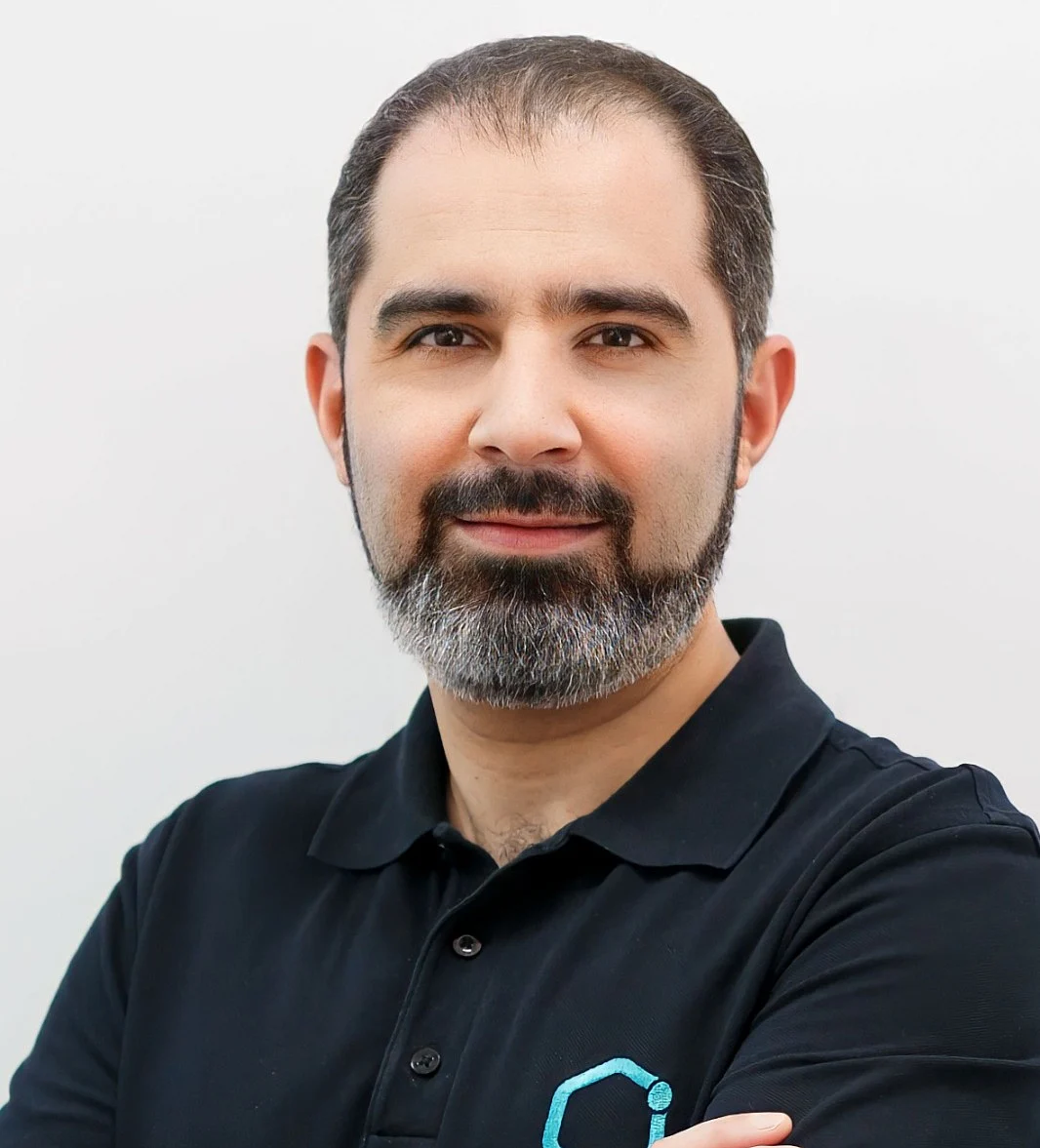
Dr. Yousef Said
Why GLP-1 Drugs Are Popular
The rise in popularity is partly due to the accessibility of these drugs. For example, DarDoc’s telehealth model allows patients to register at 9 am, consult with a doctor by 9:30 am, and receive medication by 10:30 am. Nurses provide home injections or blood tests, with follow-up consultations conducted virtually.
GluCare offers a more intensive hybrid system, combining in-person check-ups with continuous glucose monitors, smart wearables, and app-based coaching.
Many are drawn to the quick results. A GluCare patient with a BMI of 34 lost 10 kilos in months — nine kilos of fat and only one kilo of muscle. “He was at risk of sleep apnea, snored heavily, and was constantly fatigued,” said Dr. Yousef. “After the weight loss, these issues disappeared.”
Life-Changing Transformations
For some, these drugs have been transformative. Nawal Jamal, a Jordanian podcaster, turned to Mounjaro after struggling with her weight and PCOS — a hormonal condition that complicates weight loss.
When her weight reached 88 kg in 2020, Nawal knew she had to act. The turning point came two years prior, during a beach walk with a friend. “I couldn’t keep up. I was out of breath and had to rest while she continued walking. That was the spark for my lifestyle change,” she said.
Standing 168 cm tall, Nawal weighed 63 kg when she married in 2017, but her health declined over the years. Determined for change, she joined a gym, eliminated sugar and flour, and followed high-protein diets. Caring for her husband and mother through serious illnesses fueled her determination.

Nawal Jamal
By 2023, she returned to her pre-marriage weight but faced unhealthy patterns and was later diagnosed with PCOS. Her doctor prescribed Mounjaro, a GLP-1 weight loss drug, along with a strict high-protein diet. “I needed 80 to 115 grams of protein daily to protect my muscles,” she said. The plan worked — she reached 58 kg.
But maintaining it was challenging. “After stopping Mounjaro for three months, I began craving sweets and overeating again,” she admitted. “Seeing a slice of cake triggered all my cravings. It’s like a ripple effect; one cheat leads to more.”
To stay on track, Nawal follows a strict meal plan: “I have a high-protein shake with protein bread for breakfast, a beef sandwich at noon, and another protein shake at 2 pm. I eat before others at work to avoid temptation.”
Gaining Confidence
Pakistani expat Mehreen Zubair started her weight-loss journey this year, weighing 86 kg and feeling stuck after years of failed diets. “I couldn’t lose weight despite various attempts and suspected underlying issues,” said the 32-year-old content creator, beauty educator, wife, and mother.
Persistent fatigue and low confidence affected her family life and career. A diagnosis of PCOS, high cholesterol, and fatty liver explained her struggles with weight loss. Her BMI was about 33, classifying her as obese.
“It impacted my confidence. Working in beauty and social media, I wanted to be comfortable in my skin, but internally, I struggled with both health and self-image,” she said.

Mehreen Zubair
She then turned to DarDoc, an online platform for supervised GLP-1 treatment. Prescribed Mounjaro in February 2025, Mehreen quickly noticed changes. “My appetite was controlled, I wasn’t constantly craving, and I felt lighter. In six years, I hadn’t lost more than 3 kilos — so losing five felt like an achievement.”
Today, she weighs 65 kg, with her dose recently reduced as she nears her target. She credits the slow, supervised pace for sustainability. “It felt very easy,” she said. “The programme was personalized, so I never felt lost. The encouraging results keep me motivated.”
Her health improved: PCOS symptoms eased, cholesterol lowered, fatty liver treated, and energy levels restored. “I can keep up with my daughter, sleep better, and stay active all day,” she said. “The biggest change is my mindset — I feel more confident and positive.”
“It’s not just about looking different — it’s about living better and feeling healthier,” she added.
To prevent muscle loss common with GLP-1 medications, her doctors recommended weight training and increased protein intake. “Instead of neglecting nutrition, I made conscious choices. Increasing protein and fibre helped manage side effects. I haven’t lost muscle — I gained 3 kg of muscle while losing fat.”
Not all patients succeed. Um Noura didn’t see enough results with GLP-1 drugs and opted for gastric surgery after years of trying different diets and medications without lasting results.
Sustaining Weight Loss
Doctors say the main challenge is helping patients maintain weight loss after stopping medication. “We gradually taper the drug while increasing coaching to minimize rebound hunger,” said Keswin. “Stopping suddenly without lifestyle changes will bring the weight back.”
GluCare is testing AI-based nutrition and fitness coaching to help patients maintain progress. “We’re collecting long-term data on fat versus lean mass retention,” said Dr. Yousef.
Doctors expect GLP-1 drug demand to grow as awareness increases, but they caution that injections aren’t a quick fix. “It’s not just about losing weight — it’s about losing fat,” Dr. Said noted. “Without this distinction, patients risk long-term health damage.”