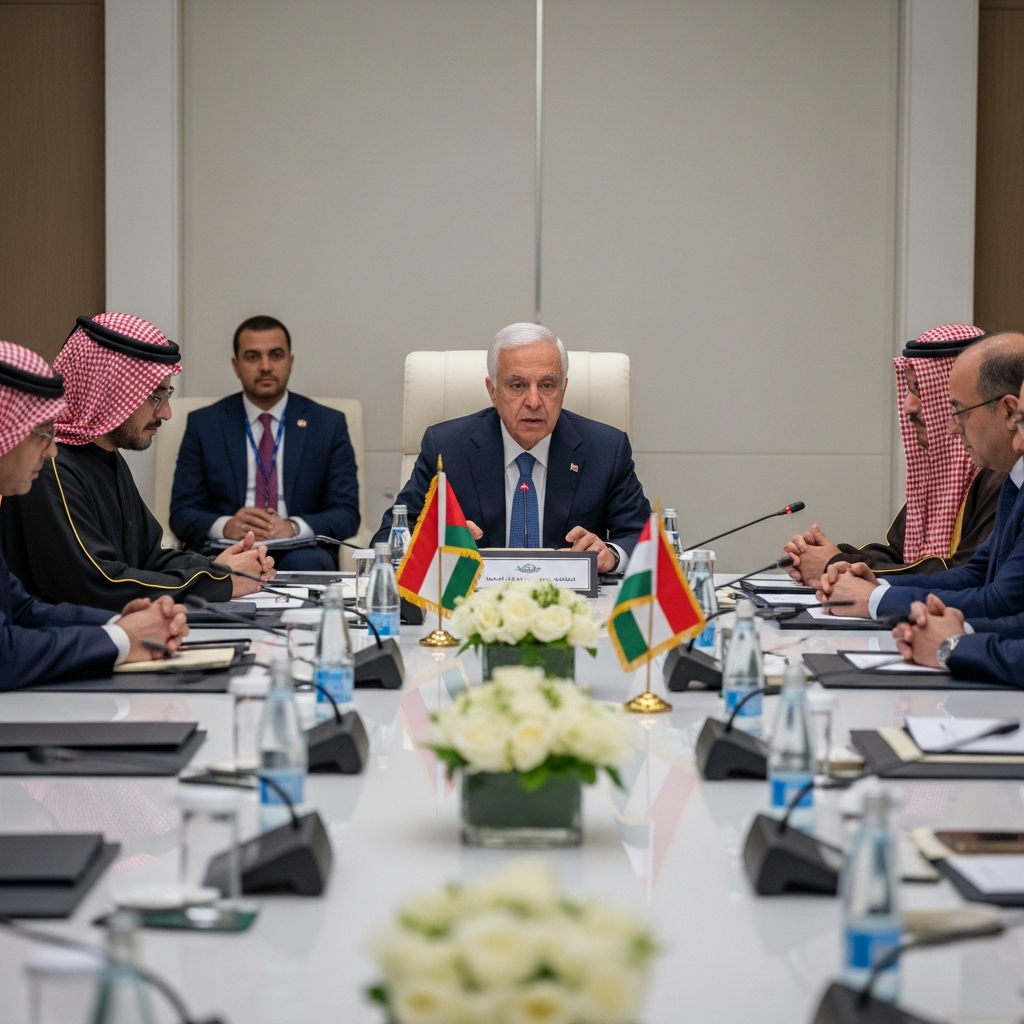
On its 54th National Day, the UAE shines as a global model of strategic transformation. In just over fifty years, it has evolved from an oil-reliant federation into a dynamic, diversified knowledge economy. Since its establishment in 1971, the UAE has developed into a global hub for innovation, talent, and entrepreneurship by 2025.
This transformation is no accident; it stems from deliberate, long-term policy decisions rooted in visionary frameworks like Vision 2031, focusing on human capital and innovation as economic cornerstones. The UAE has strategically invested in its people rather than relying solely on natural resources, and the results are evident.
By the first quarter of 2025, non-oil sectors made up 77.3% of GDP, rising from less than 50% two decades ago, with an overall GDP reaching Dh455 billion. This diversification has mitigated oil market volatility, fostering resilience that extends prosperity across the MENA region through shared models.
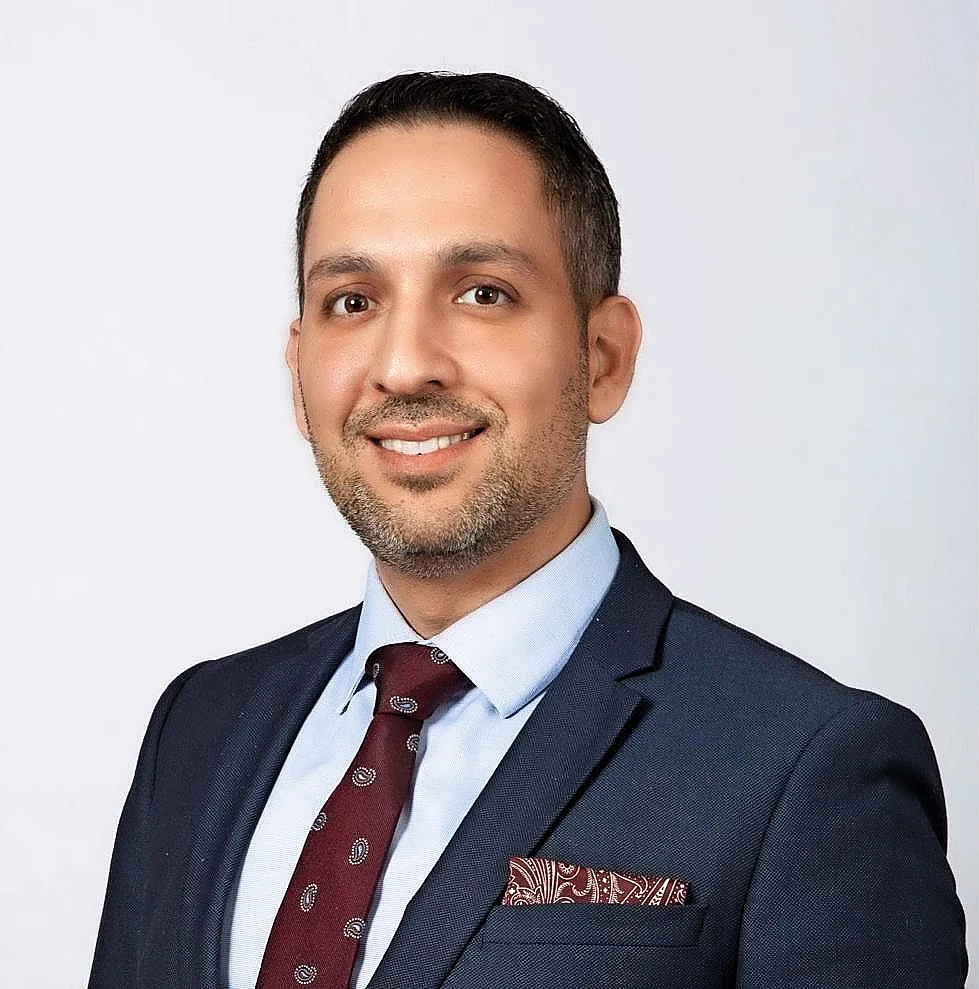
Dr. Zain Kenderian, CEO of the Bascom Palmer Eye Institute.
Milestones in Economic Diversification
In the first quarter of 2025, the UAE’s non-oil GDP grew by 5.3%, surpassing the total GDP growth of 3.9%, indicating a pivot towards high-value industries. Full-year 2025 projections anticipate 4.9% overall growth, with non-oil sectors growing by 4.5%, driven by technology, finance, and healthcare.
The UAE’s fintech sector attracted $1.3 billion in investments by mid-2025, and healthcare spending, currently under 5% of GDP, is expected to rise to 5.1% by 2029, with an 8.6% CAGR. These statistics reveal a strategic focus: non-oil trade expanded 28-fold from 1981 to 2012, maintaining an average real GDP growth forecast of 4.7% through 2030.
The UAE’s allure for top-tier institutions highlights its global status, attracting entities like NYU Abu Dhabi, Sorbonne University Abu Dhabi, Cleveland Clinic Abu Dhabi, and recently Bascom Palmer Eye Institute. Healthcare FDI soared to $45 billion in 2024, increasing by approximately 50%, driven by streamlined visas, tax incentives, and AI ecosystems. The healthcare sector has become a magnet for talent, with the staffing market projected to exceed $170 million in 2025, growing to $350 million by 2033 at a 12.4% CAGR in analytics. Expatriates, who fill over 70% of medical roles, are attracted by per capita spending of over $2,000 and more than 150 hospitals, positioning the UAE as a hub for global professionals in preventive and AI-driven healthcare. This influx reflects the UAE’s culture of inclusivity, forward-thinking leadership under Vision 2031, and effective governance that ensures success and innovation for stakeholders.
The UAE benefits significantly from the global migration of billionaires due to its high quality of life, legal respect, safety, and respect for women. It ranks first in the Gulf and 18th globally for gender equality.
With low crime rates and a stable political environment, the UAE offers safe haven for residents. Long-term residency policies have retained skilled migrants, enhancing diversity and inclusivity.
Rising Investments and Innovation
According to a 2025 global FDI monitor ranking, the UAE is the second most-preferred FDI destination worldwide, just behind the US.
The National Investment Strategy 2031 aims to double inflows from 2023’s $30.5 billion, targeting technology and healthcare amid R&D spending at 1.5% of GDP — the highest in the GCC. In healthcare, AI-integrated ecosystems align with UN goals for non-communicable diseases.
In greenfield investments, the UAE ranked #1 globally in the 2025 Greenfield FDI Performance Index. This shift from oil exporter to innovation leader embodies a moral imperative: creating equitable, sustainable growth that encourages global economies to prioritize knowledge over extraction.
As the UAE celebrates its 54th National Day, its knowledge-driven path offers a blueprint for sustainable global development. By attracting top talent and investments, it ensures equitable growth, from AI-enhanced healthcare to fintech innovations. This ethical approach — prioritizing people over profits positions the UAE as a beacon for emerging economies, fostering a legacy of inclusive prosperity for generations to come.
— Dr. Zain Kenderian, MD, MBA, is the CEO of the Bascom Palmer Eye Institute and a strategist-physician focused on healthcare transformation and financial engineering.