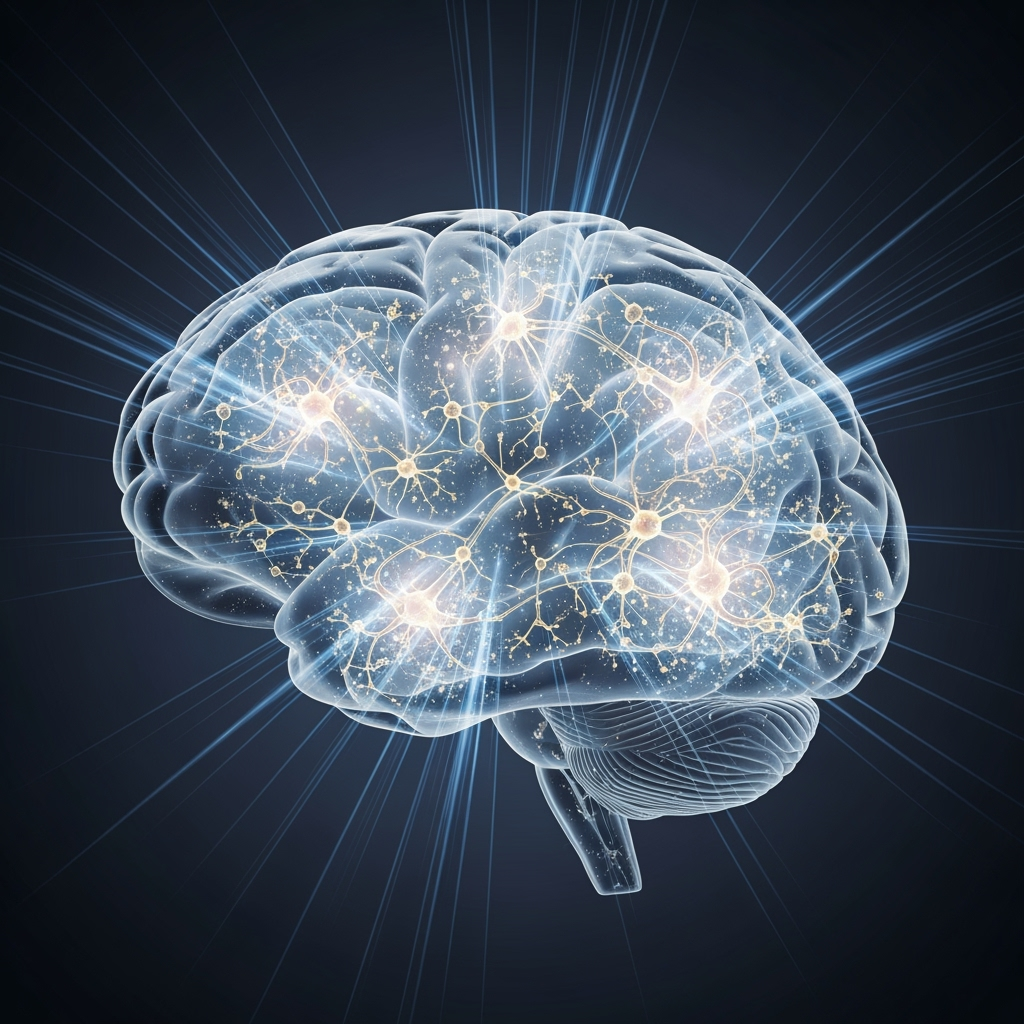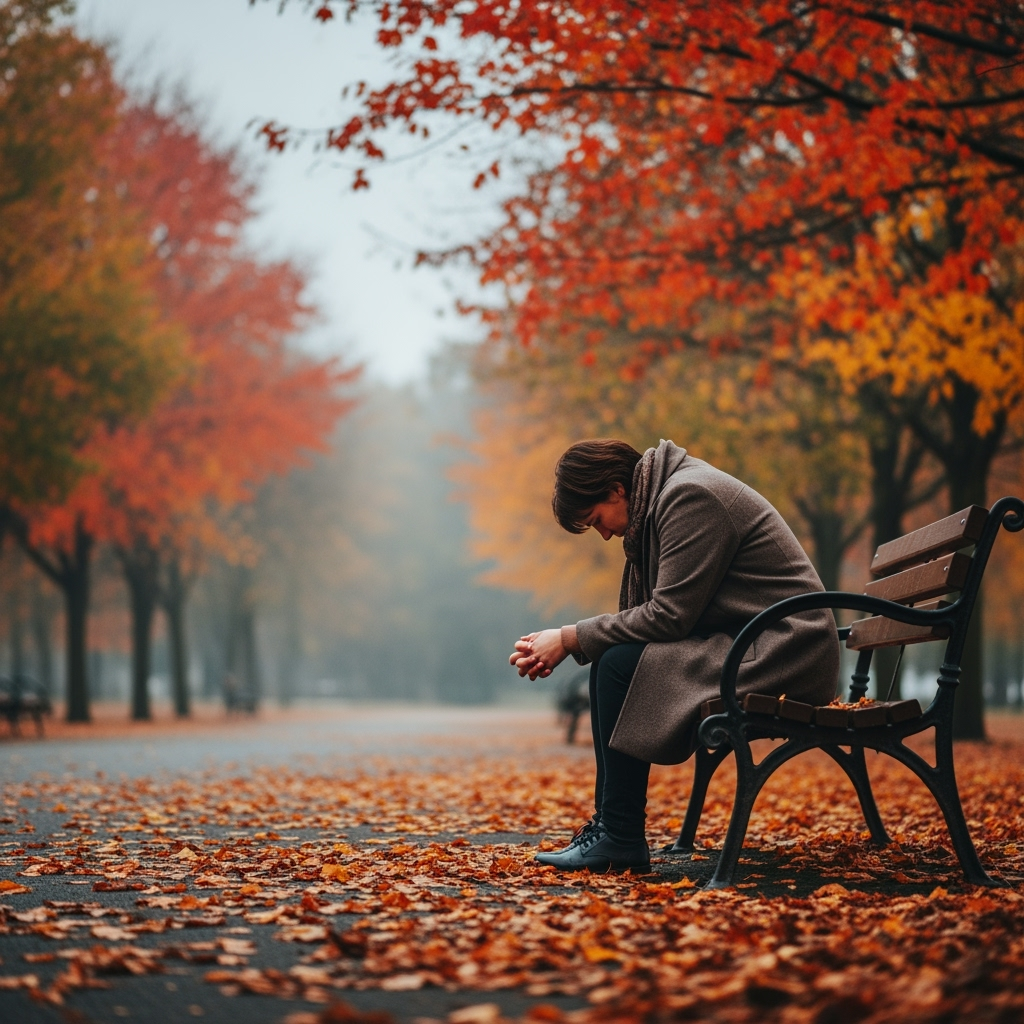
With the arrival of autumn, many people experience a noticeable decrease in mood, energy, and motivation, a condition often called autumn depression or seasonal affective disorder. It is characterized by symptoms including anxiety, lethargy, and withdrawal from usual activities. Autumn depression largely results from hormonal imbalance caused by reduced daylight. Less exposure to sunlight decreases the production of mood-enhancing neurotransmitters, dopamine and serotonin, while increasing the stress hormone cortisol. These hormonal shifts contribute to feelings of apathy and reduced emotional resilience.
Planning purposeful and enjoyable activities during the season, such as concerts, exhibitions, or watching movies, can alleviate monotony and stimulate positive interaction. It is also advised to reduce exposure to negative news and limit the use of social media to decrease anxiety and unhealthy social comparisons. It is essential to distinguish between normal mood declines and clinical depression.
According to Russian expert Larisa Ovcharenko, a hallmark of depression includes significant reductions in physical and cognitive functions and an inability to enjoy life. In severe or persistent cases, antidepressant medications may be prescribed, along with assessing vitamin D deficiency, which can also affect mood regulation.