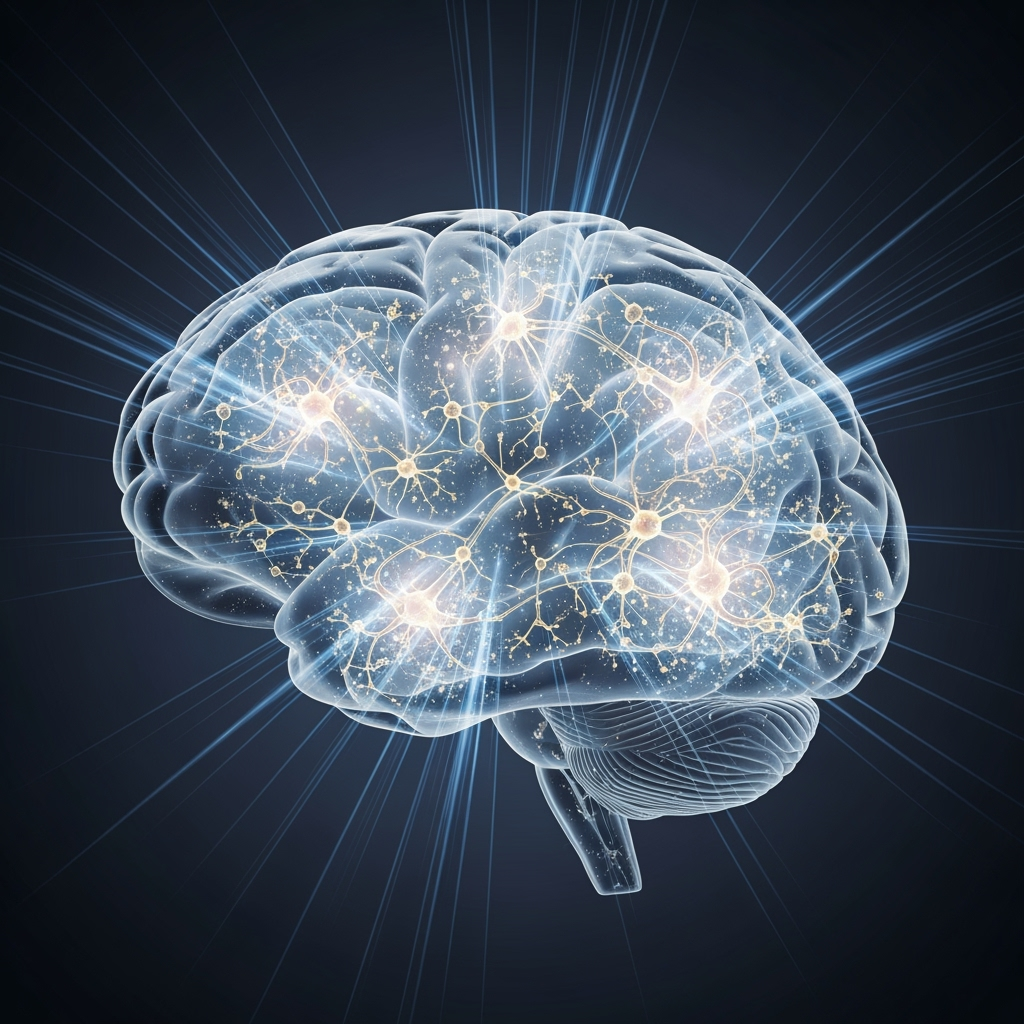
The study, published in the journal ‘Science’, provides definitive answers about the brain’s flexibility and adaptability, opening new horizons for psychological treatments, according to the ‘Times of India’. The findings focus on the hippocampus, the brain region responsible for learning, memory, and emotion regulation. In 2013, researchers from the institute showed that new neurons could form in the adult hippocampus by measuring carbon-14 levels in the DNA of brain tissues. However, this discovery remained controversial due to the lack of clear evidence of neural progenitor cells, considered the primary nucleus for neuron formation.
In this new study, researchers used advanced techniques such as single-nucleus RNA sequencing and technologies like ‘RNAscope’ and ‘Xenium’ to examine brain tissues from individuals aged 0 to 78 years, collected from international biobanks. They also integrated machine learning to analyze developmental stages. The study confirmed that new neurons form in the dentate gyrus region of the hippocampus, a critical area for memory formation and cognitive flexibility.
The results showed that adult neural progenitors are quite similar to those found in mice, pigs, and monkeys, with slight differences in active genes. The study also revealed significant variation among individuals; some adults have an abundance of these cells, while others have nearly none. These findings are a significant step towards understanding the mechanisms of human brain function and its changes over the lifespan.
Friesen noted that this discovery could contribute to developing regenerative treatments that stimulate neuron formation to address neurodegenerative disorders, such as Alzheimer’s, and psychological disorders, like depression. This study offers new hope in exploring capabilities and developing innovative therapeutic solutions that enhance cognitive flexibility and improve quality of life.