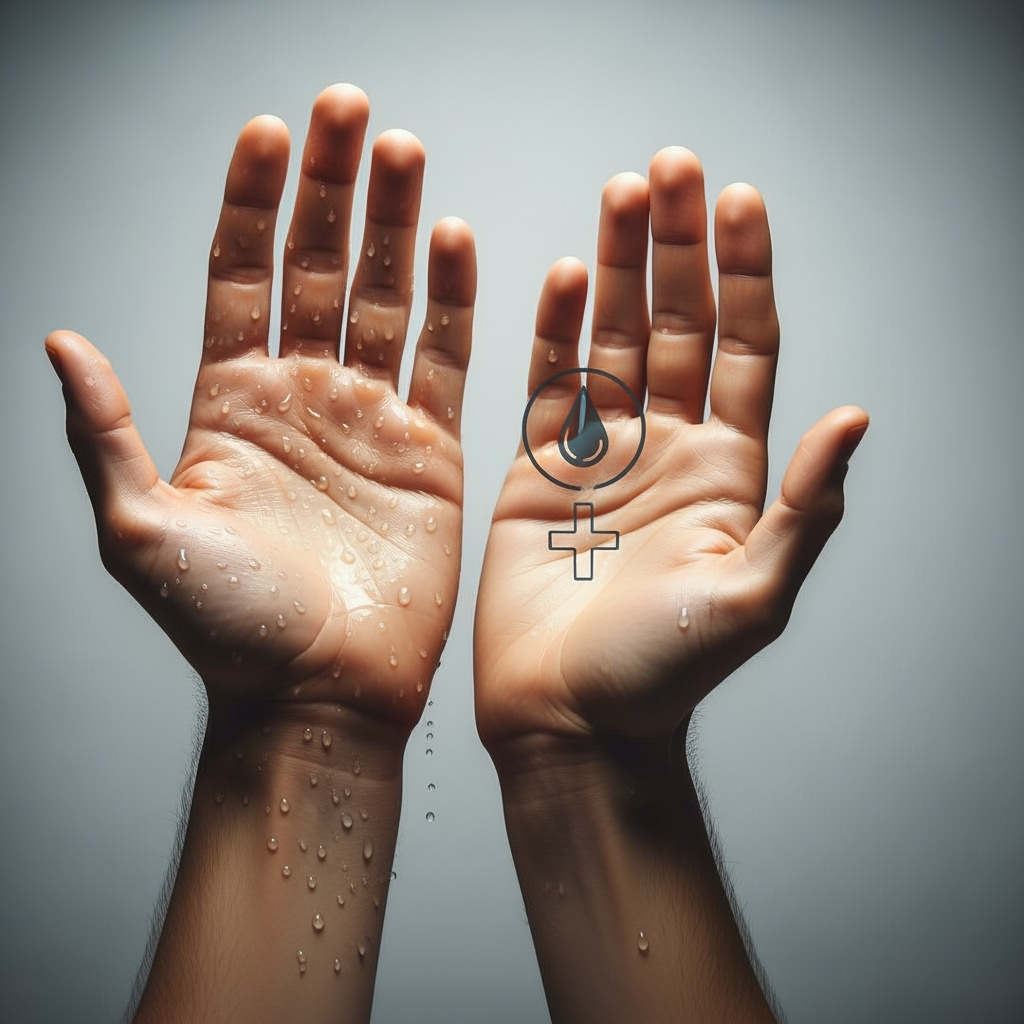
For years, Ahmed Ali, a 39-year-old media professional, struggled with an unseen yet disruptive condition known as excessive hand sweating, or palmar hyperhidrosis.
While many saw it as a minor inconvenience, for Ahmed, it was a daily challenge. From drenched keyboards and smeared phone screens to awkward handshakes that increased his social anxiety, especially during job interviews, the condition significantly impacted his professional life.
“It’s very unpredictable and not linked to nervousness. Once, during a high-pressure five-member panel interview, I didn’t sweat at all. Another time, I was just chatting casually with a colleague and suddenly started sweating profusely from my forehead. It got so bad I had to excuse myself to the washroom,” he recounted.
Stay informed with the latest updates. Follow KT on WhatsApp Channels.
The unpredictability of his sweating episodes became mentally taxing. “The moment it starts, I worry people will notice, which just makes me sweat more. It’s such a strange condition. I can’t control it at all. I could be sweating even with the AC on full,” Ali told Khaleej Times.
After seeing a dermatologist, he was diagnosed with primary palmar hyperhidrosis, a condition caused by overactive sympathetic nerves, not related to anxiety or external temperature. “I know there’s a surgical option, but I’m hesitant as it’s not life-threatening,” he added.
‘Misunderstood Condition’
Dr. Asmaa Al Khatib, Specialist Dermatologist at Quttainah Specialized Hospital, Dubai, explained that hyperhidrosis often remains unaddressed despite its significant impact on life quality. “If sweating is frequent, unpredictable, and disrupts daily life, it’s time to see a doctor. Unlike occasional nervous sweating, primary hyperhidrosis usually begins in adolescence, affects both palms or both sides of the forehead, and occurs even at rest. Many suffer silently, thinking it’s just part of their personality or stress,” she said.
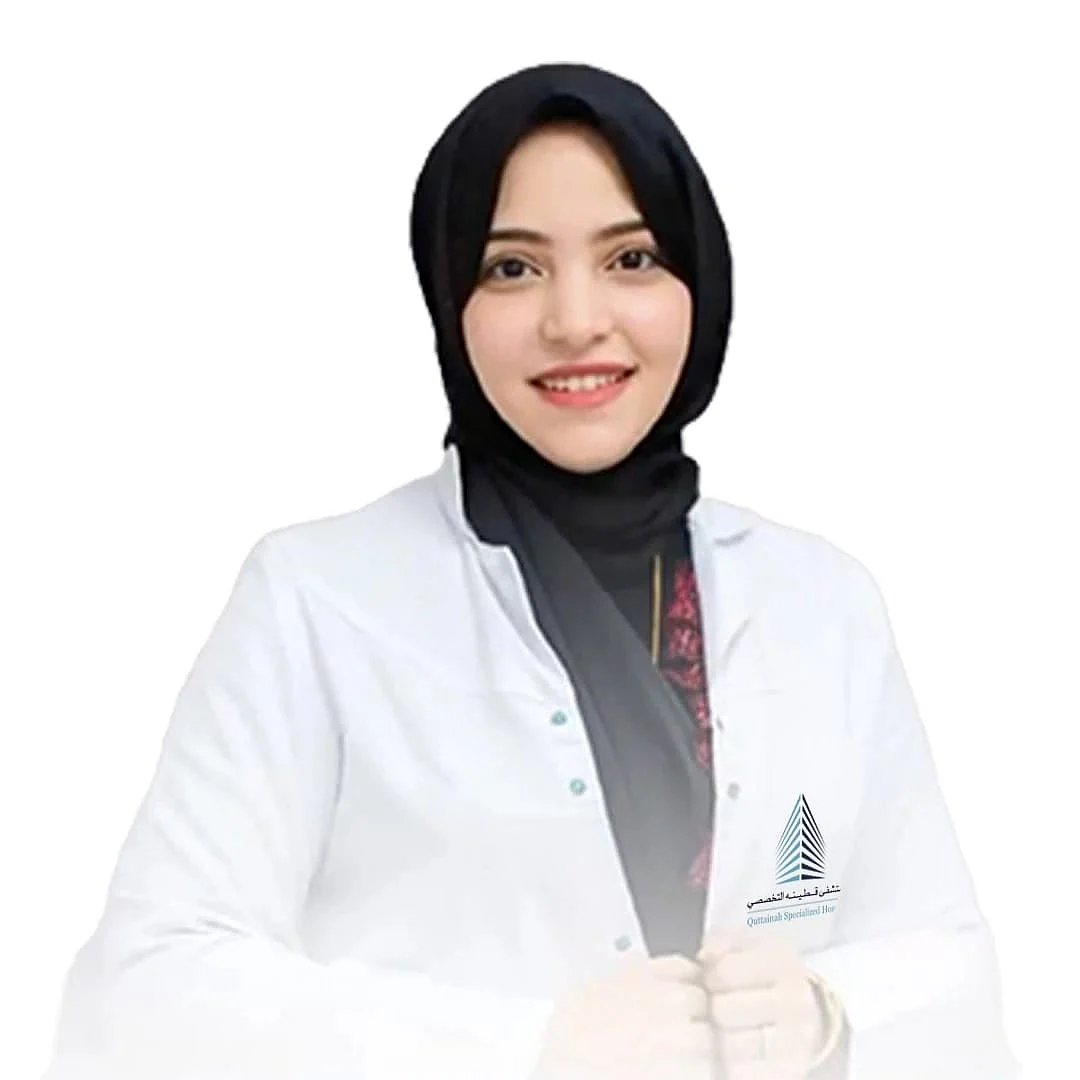
Dr. Asmaa Al Khatib. Photo: Quttainah Specialized Hospital
Dr. Khaldoon Abou Daka, Specialist Thoracic Surgeon at Prime Hospital, noted that despite affecting thousands worldwide, the condition is still under-recognized.
“Even with a global prevalence of primary hyperhidrosis ranging from 0.07 to 9 percent, it’s often under-recognized and misunderstood. Most cases are primary, meaning they’re not linked to any underlying medical issue,” he stated.
Daka emphasized that for many young people, this condition starts in childhood and becomes a daily stressor. Social interactions, school tasks, and even simple gestures like shaking hands or using a touchscreen become daunting.
The psychological impact is profound, often leading to isolation, low self-esteem, and reduced quality of life. “Adolescents with palmar hyperhidrosis typically go through a long, frustrating journey with various treatments. Topical antiperspirants, oral medications, and even repeated Botox injections — once seen as promising — often fail to provide lasting relief. For these patients, the condition is more than a physical inconvenience; it’s a relentless barrier to normal life,” Daka explained.
Minimally Invasive Procedure
Reflecting on two young patients, Daka shared that these individuals — M.H., 15, and H.A., 16 — exemplified the struggles faced by those with severe sweating disorders. Their lives were filled with constant discomfort and fear of social judgment. But everything changed after undergoing a minimally invasive procedure called Thoracoscopic Sympathectomy.
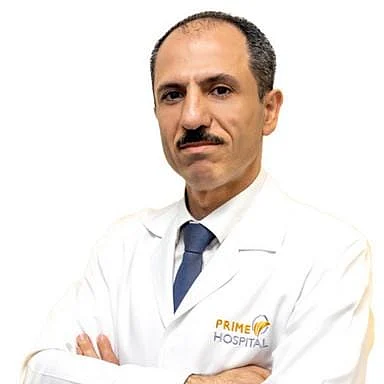
Dr. Khaldoon Abou Daka. Photo: Prime Hospital
“The procedure targets the sympathetic nerves that trigger excessive sweating. In both cases, the results were transformative. Post-surgery, the patients experienced complete normalization of hand sweating, allowing them to engage confidently in social and academic activities. The only noted side effect was mild temporary chest pain at the surgical site, which was expected and manageable. Today, these teens are thriving, no longer controlled by a condition that once seemed insurmountable.”
“For many young sufferers, this procedure could be the key to regaining their confidence and comfort,” he added.