Every day, we witness how vision influences our world, yet in the GCC, sight issues continue to hinder both personal growth and economic progress. Reflect on the ancient tale of blind men and an elephant: one touches the trunk and says it’s a snake, another feels the leg and thinks it’s a tree, a third holds the tusk and calls it a spear, while the fourth grasps the tail and believes it’s a rope. Each understands only a part of reality, similar to how untreated vision problems distort life.
The saying “Beauty lies in the eyes of the beholder” makes us ponder what beauty remains if our vision fails. Another wisdom states, “The mind doesn’t know what the eyes cannot see,” underscoring the importance of vision. Helen Keller once noted, “The only thing worse than being blind is having sight but no vision,” emphasizing that about 70% of sensory input to the brain comes from sight, sometimes up to 80%. Visuals drive 65% of all learning. In our knowledge economy, impaired vision is not just a personal issue—it’s a collective oversight.
The Value of Sight
We must distinguish between sight, a physical ability, and vision, a strategic plan. With around 65% of people learning visually, investing in eye health directly supports future workforce development and GDP growth. The GCC has cultivated intellectual capital for vision through years of effort, as healthy eyes are crucial for education, skill development, and human capital. However, more infrastructure is needed to provide world-class eye care facilities.
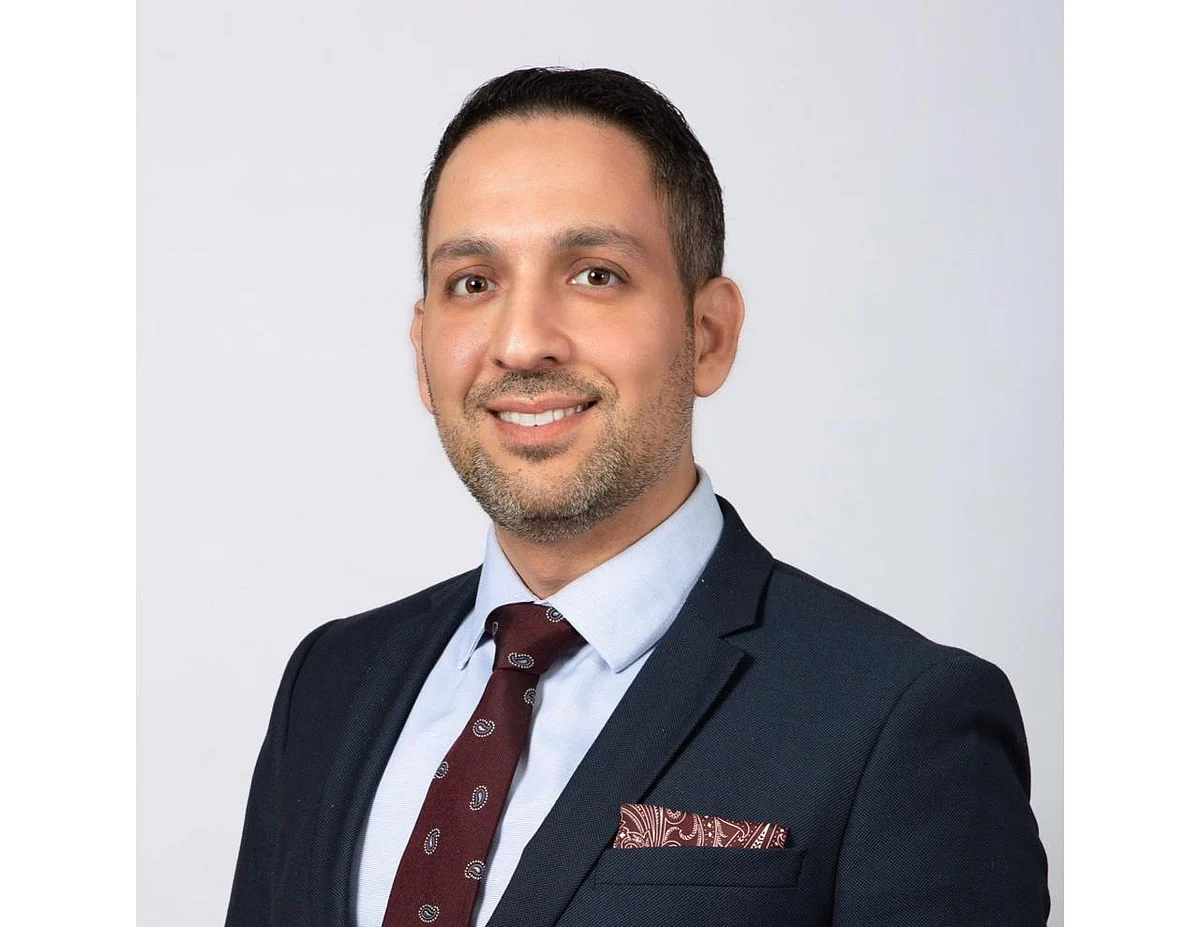
Dr Zain Kenderian, MD, MBA, is CEO of Bascom Palmer Eye Institute.
A Multi-billion Dollar Oversight
Vision impairment carries a heavy cost. Globally, unaddressed cases lead to $411 billion in yearly productivity losses, with uncorrected refractive errors alone causing $202 billion. In the MENA region, including the GCC, prevalence increased from 1990 to 2019 due to aging, diabetes, excessive screen time, and weather-related dry eyes, and is expected to rise through 2024 in countries like the UAE and Saudi Arabia, resulting in $33.6 billion in annual economic loss. My analysis estimates the GCC’s burden at $14 billion to $21.5 billion each year, considering both direct expenses and indirect losses from decreased workforce participation, accidents, and lost education.
Regional challenges exacerbate this: high diabetes rates contribute to diabetic retinopathy, a leading cause of preventable blindness in adults, alongside increasing glaucoma and age-related cataracts. For the UAE, poor eyesight among residents undermines the country’s ambitious vision for the future, leading to reduced employability and productivity.
Conversely, correcting vision can boost individual productivity by up to 34%, translating to GDP growth. In the GCC’s $2 trillion economy, widespread vision correction could add tens of billions annually, benefiting sectors like tech, tourism, and finance, where sharp vision enhances learning and innovation, increases incomes, ensures safer roads, and fosters thriving businesses, aligning with Vision 2030 goals.
The Paradox of Progress: The Outbound Drain
Despite advancements, GCC eye care still lags in areas such as vitreoretinal surgery, oculoplastics, neuro-ophthalmology, pediatric care, rare eye cancers, and genetic disorders. Common issues like cataracts, glaucoma, retinal disorders, macular degeneration, and refractive errors often require advanced diagnostics not available locally, leading to complex cases being treated abroad in the US and UK, draining local families and economies.
In 2024, GCC residents contributed to a global ophthalmology tourism market worth $5.9 billion, with over $1 billion spent annually on eye care abroad — $1.54 billion by some estimates — as part of a broader $10-20 billion medical tourism expenditure. This financial outflow supports foreign innovation instead of promoting local research and jobs.
Investing in a Visionary Future
The solution requires visionary investment rather than increased spending. Global studies by the International Agency for the Prevention of Blindness (IAPB) reveal that every $1 invested in eye health returns $28 to $36, an ROI surpassing other interventions. By redirecting a portion of outbound funds, the GCC can establish subspecialty networks for a triple benefit: reclaiming $1.54 billion in spending, unlocking $14+ billion in domestic productivity, and turning the region into a hub for patients from Africa and Asia.
For our readers — everyday residents — these gaps result in avoidable hardships: missed opportunities and financial strain. Regulator-provider partnerships must prioritize world-class facilities, specialized training, and subsidized screenings to reduce the $411 billion drag on the global economy. Under healthcare regulators’ guidance, institutions must bring international expertise to the UAE, localizing care to empower residents, strengthen economies, and realize a brighter vision. Let’s see clearly — and act.
Dr Zain Kenderian, MD, MBA, is CEO of Bascom Palmer Eye Institute. He is a strategist and physician focused on healthcare turnaround and financial engineering.