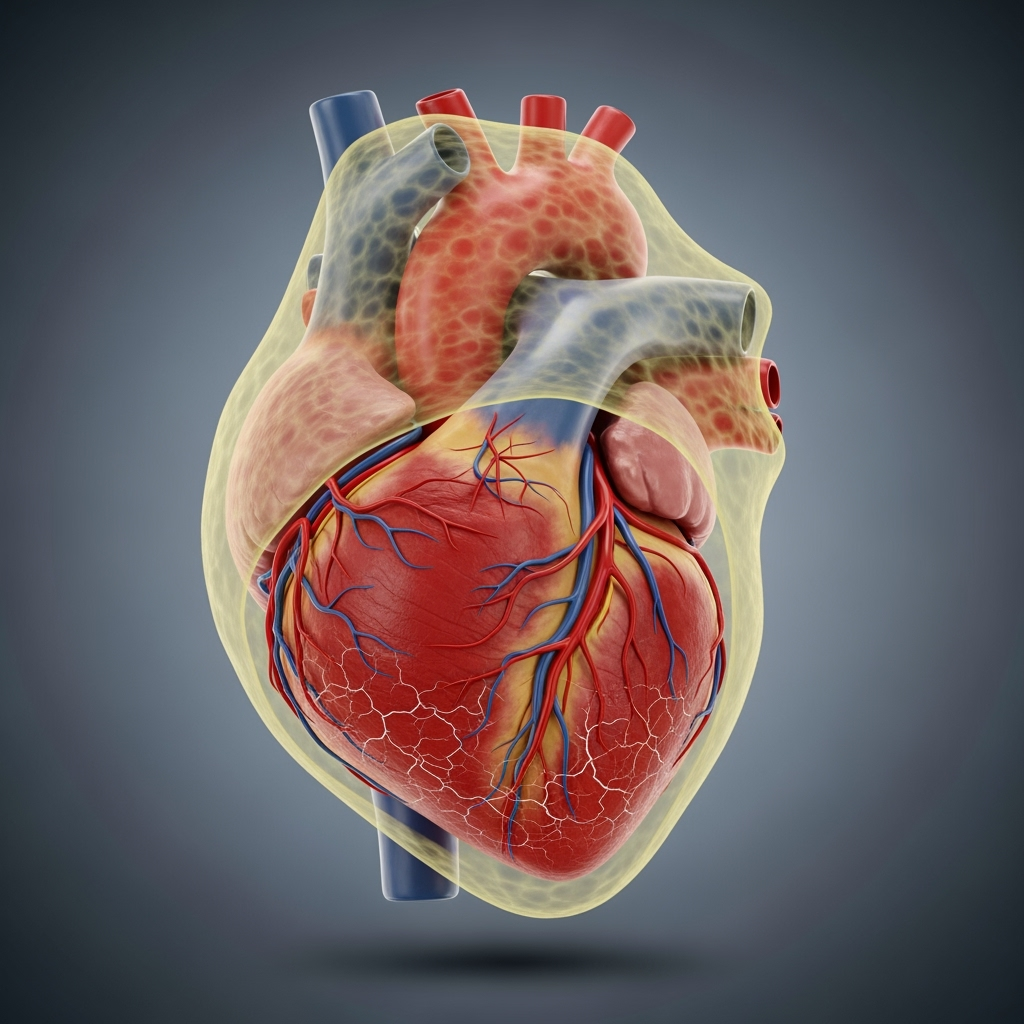
Researchers, using advanced full-body imaging and artificial intelligence analysis on over 21,000 participants, found a clear link between high amounts of visceral fat—’hidden fat in the abdomen around vital organs’—and signs of early heart aging. These signs included stiffening and inflammation of heart tissues, which are known factors that increase the risk of heart disease.
The research highlights interesting differences between men and women. Men with more visceral fat showed a noticeable acceleration in heart aging. Conversely, the accumulation of fat around the hips and thighs, characteristic of a ‘pear-shaped’ female body, was associated with slower heart aging, possibly due to the protective effects of the hormone estrogen.
The research team hopes these insights will pave the way for targeted treatments, such as GLP-1 inhibitors, to reduce harmful visceral fat and improve heart health. Experts indicate that the study adds to the growing evidence that ‘hidden’ fat should not be overlooked in managing heart disease risk.
Lifestyle changes, such as following a healthy diet and engaging in physical activity, remain essential. However, understanding the location of body fat opens new promising avenues for precise interventions that can slow heart aging and improve overall health.