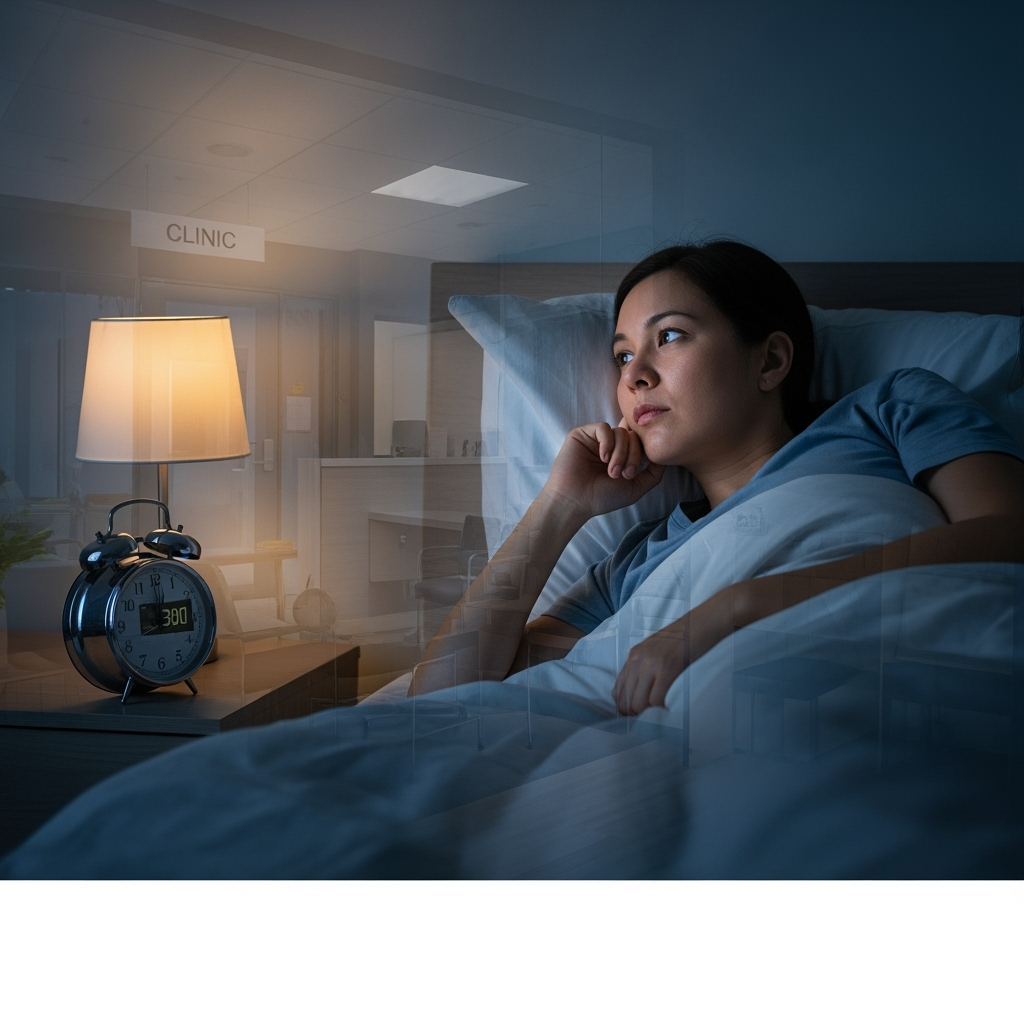
Recognize these indicators that suggest scheduling a doctor’s visit:
Q: I’m struggling to sleep despite trying methods like reducing blue light and counting backward. Should I consult a doctor?
A: Enhancing sleep hygiene and using bedtime strategies are wise steps, but sometimes maintaining a regular sleep schedule or avoiding screens isn’t sufficient.
In the U.S., up to 20% of people suffer from chronic sleep disorders, yet most adults have never discussed sleep with their healthcare provider. “Doctors aren’t inquiring enough, and individuals often don’t see it as a medical issue,” noted Dr. Lawrence Epstein, a sleep expert at Brigham and Women’s Hospital in Boston.
Though sleep disorders may appear obvious, they’re often subtler than expected, so experts advise being alert to specific warning signs.
Reasons to consult a doctor about sleep concerns
According to Philip Gehrman, head of the Sleep, Neurobiology and Psychopathology Lab at the University of Pennsylvania, it’s normal to occasionally have a poor night’s sleep, especially with stressors like exams or work deadlines.
However, experts point out three primary reasons to seek medical advice, along with ways to differentiate between normal and abnormal patterns.
DIFFICULTY FALLING ASLEEP
If you find your mind racing or can’t get comfortable in bed, these might indicate insomnia or restless leg syndrome, characterized by an uncontrollable urge to move your legs, Dr. Gehrman explained. Stress or anemia could be contributing factors, but there’s often no single cause.
For an official diagnosis, symptoms must persist for three months, but seeing a doctor sooner is advisable, especially if symptoms worsen or disrupt daily life, Dr. Gehrman added.
Regularly using alcohol, Benadryl, cannabis, or melatonin without medical advice to fall asleep can also be problematic, said Dayna Johnson, an epidemiologist at Emory University. While these might induce sleep, they can degrade its quality and conceal underlying disorders.
DIFFICULTY STAYING ASLEEP
Sleep isn’t an uninterrupted eight-hour state; waking up several times, especially with age, is normal, said Dr. Brienne Miner, a geriatrician and sleep specialist at Yale Medicine. But if wakefulness exceeds five to ten minutes or becomes bothersome, it could signal a sleep disorder or another condition, she said.
In a survey of adults aged 65 to 80, bladder issues, anxiety, and pain were the top reasons for sleep disturbances, Dr. Miner noted. Addressing these often improves sleep.
Some experience parasomnias, like sleepwalking, eating, or thrashing. While often harmless in children, these behaviors can disrupt sleep or cause injuries, said Dr. Pahnwat Taweesedt, a Stanford Health Care sleep specialist.
EXCESSIVE DAYTIME SLEEPINESS
Feeling sleepy after meals or in cozy settings is normal, but consistently nodding off at work, while driving, or during crucial activities may indicate a deeper issue, Dr. Epstein explained.
Conditions like sleep apnea, where breathing stops during sleep, could be responsible. Even if you don’t recall snoring or gasping, morning headaches and constant fatigue might be signs.
Occasionally, daytime sleepiness suggests narcolepsy, marked by “sleep attacks”—unexpectedly falling asleep. Those with narcolepsy often have trouble staying asleep at night, although sleep attacks aren’t directly linked, Dr. Miner said. Despite its dramatic nature, narcolepsy can be elusive, with diagnoses taking 10 to 15 years.
PREPARING FOR YOUR DOCTOR’S VISIT
Most sleep issues can be managed by your primary care doctor or through a referral to a sleep specialist.
During your appointment, clearly describe your issue—whether it’s trouble falling asleep, staying asleep, or daytime drowsiness, advised Dr. Taweesedt. Keeping a sleep diary for two weeks, noting sleep and wake times, medications, exercise, alcohol, and caffeine intake, can be beneficial. However, avoid becoming preoccupied with sleep tracking, as it might worsen the problem.
If possible, bring a partner who might have observed symptoms you missed, Dr. Johnson suggested. Sleep tracker data might also help, though consumer devices aren’t always accurate.
Additionally, conditions like obesity, hypertension, kidney disease, and Parkinson’s often correlate with sleep disorders, and many medications affect sleep, Dr. Epstein mentioned. Ensure to discuss these with your doctor.
While thorough preparation is useful, it’s not essential before consulting a doctor. “Just make the appointment,” Dr. Johnson advised. “No need for extensive notes or prep work.”
The article was originally published in The New York Times