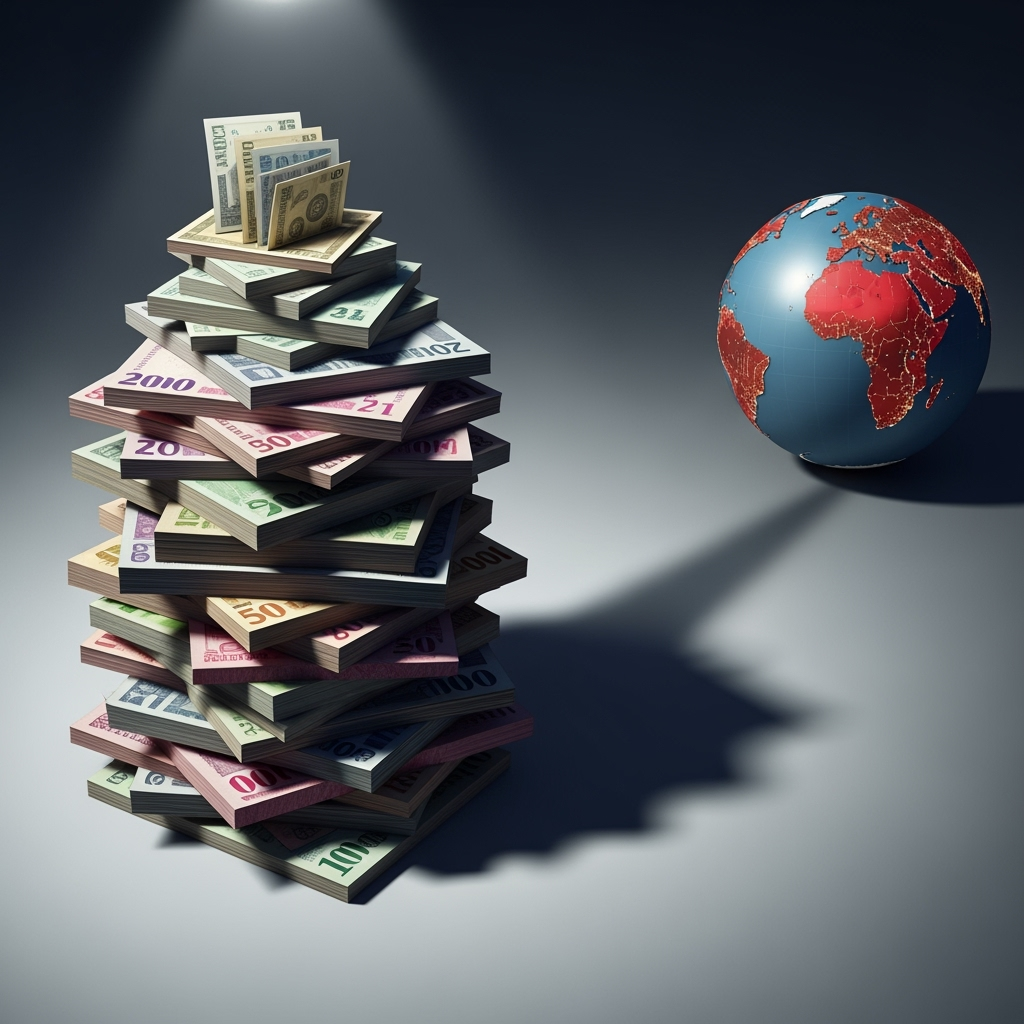
He explained in statements to “Sputnik” that this bias is evident in the World Bank issuing concessional loans to Ukraine over three years, far exceeding what it provides to developing Arab and African countries. He emphasized that many developing countries live below the poverty line and suffer from extremely difficult economic conditions, desperately needing concessional loans from the World Bank to support their economies.
He pointed out that countries needing financing and facilities from the World Bank are treated according to a vision unrelated to their economic reality, despite their urgent need for support to ensure a decent life for their citizens. Abu Atiwi believes this reflects the control of a unipolar world with a purely capitalist vision that ignores the needs of others, noting that influential countries in the World Bank operate under double and calculated standards, linked to their strategic relations with countries needing support, citing the relationship between Ukraine, the United States, and Europe.
He stated that these alliances are primarily political, overshadowing the World Bank’s financial and economic support, and this applies to European countries as well in their interconnected relationships with the World Bank, aiming to pass policies with specific agendas. He stressed that the World Bank’s submission to the desires and policies of major countries like the United States and European countries is entirely illogical.
He confirmed that the need of developing, Arab, and African countries for World Bank funding and loans is only met under conditions and standards that these countries cannot implement or accept, and if they do accept, the World Bank’s financing and facilities come in the form of non-concessional loans, drowning them in accumulated debts they cannot repay.
He explained that this situation leads to economic regression affecting the political stability of these countries and the conditions of their citizens, making them permanently below the poverty line. A group of trust funds, financial intermediaries, guarantees, co-financing, and other financial instruments are offered to assist the Ukrainian government.
A statement from the World Bank last year mentioned that these mechanisms granted to Ukraine also provide support to the private sector and offer more with the specific needs identified in the first, second, and third rapid damage and needs assessments for Ukraine. Reports and research show that external loans, including those from the World Bank and the International Monetary Fund, have negatively impacted many Arab and African countries, leading to increased debt burdens and exacerbating economic crises.
According to the reports, the increasing debt burdens undermine sustainable development goals in the African continent, especially in health, education, and infrastructure. Additionally, the policies accompanying the loans, such as structural adjustment programs, often lead to reduced government spending, affecting basic services and increasing poverty.