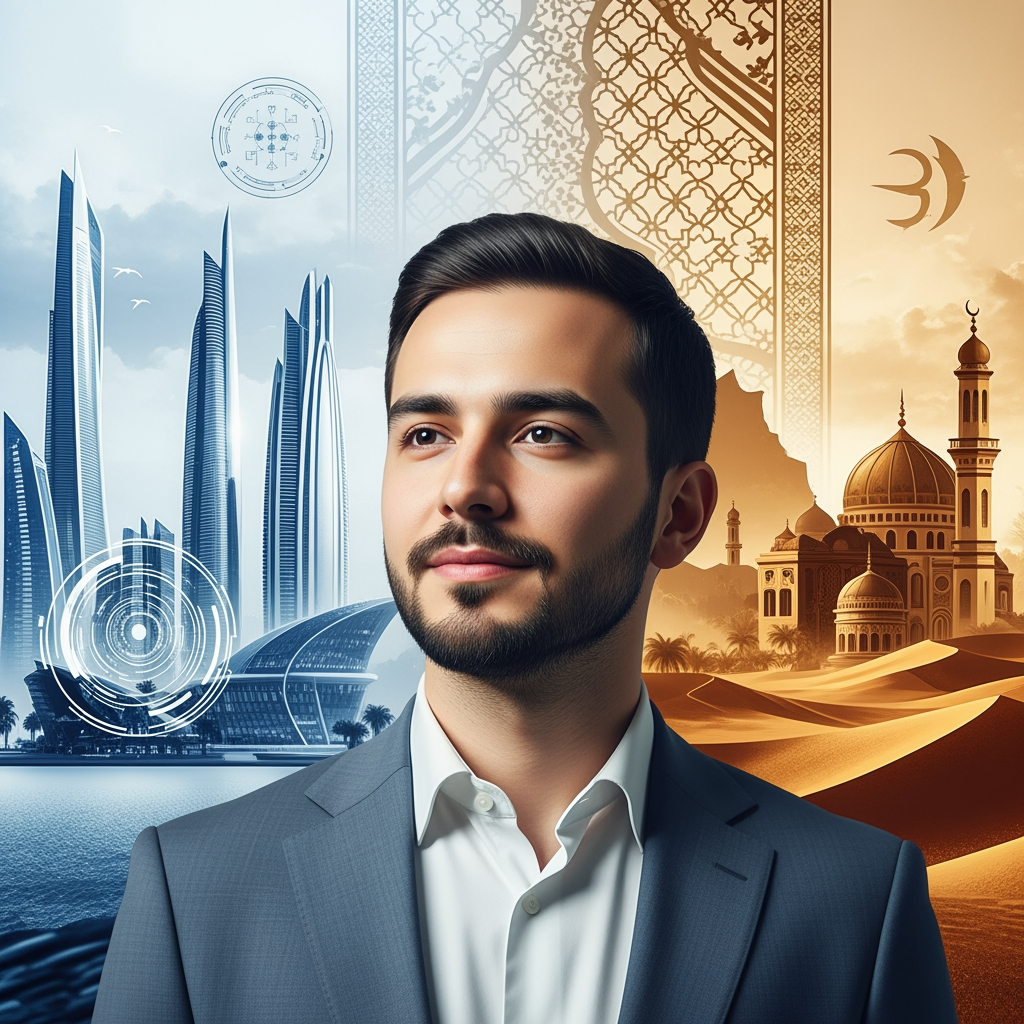
With over thirty years in the global luxury and lifestyle hospitality sector, Yigit Sezgin has expertly navigated strategy, design, hospitality, and investment. Currently, he heads Clé & Partners, an advisory and investment firm that is transforming how capital, creativity, and expertise come together to influence the future of the industry. In an exclusive interview with Khaleej Times, Sezgin discusses the GCC’s renaissance, travel’s evolution, and future trends in hospitality, wellness, and branded living.
Interview highlights:
The Gulf region is experiencing a renaissance, spanning tourism to lifestyle investments. How would you characterize this transformation, and what are its driving forces?
I believe the renaissance of this century is unfolding here in the Middle East and GCC. Despite global challenges, this region seems to grow stronger. The UAE, especially Dubai, Abu Dhabi, and Ras Al Khaimah, leads the charge, with Saudi Arabia and Oman following. Looking ahead, places like Syria and Iraq will likely progress as they rebuild. This area is enticing due to market potential, tax benefits, ideal weather, and a diverse, talented population. Safety, automation efficiency, e-government, and quality of life further bolster its appeal. With rising tax pressures in Europe and the US, more people are choosing Dubai and Abu Dhabi for living and investment. Saudi Arabia is also attracting interest due to its untapped opportunities. Population growth, digitization, and AI are enhancing connectivity. Even airports and airlines here offer unparalleled experiences. To me, the Gulf dream has replaced the American dream.
What emerging destinations and guest expectations are reshaping hospitality today?
While I’m not fond of the term ‘experience,’ its significance is undeniable. Technology has simplified life, and social media lets people explore destinations instantly, making decisions faster than ever. The post-Covid era changed everything. People realized life is short, driving tourism and hospitality to new heights. Guests now seek unique, authentic experiences connected to local communities, not formulaic hotels. Travelers now expect distinct designs, local cuisine, and a sense of place, interacting with local culture while enjoying top-notch service. Global brands are adapting by incorporating regional identity into their properties.
How do Middle Eastern markets, particularly Saudi Arabia and the UAE, align with or diverge from these global trends?
Saudi Arabia has learned from the UAE, using that knowledge to build new cities and destinations. Dubai is seen as a heart of global hospitality, inspiring others worldwide as a top city. There’s a shift towards ‘quiet luxury,’ offering refined, understated experiences through private clubs, boutique resorts, and bohemian concepts. Regulations have become more supportive, fostering creative spaces in places like DIFC and Jumeirah. Dubai continues to evolve with new international lifestyle brands like Janu, Faena, and Soho House entering Abu Dhabi, representing a new version of Dubai where taste, craftsmanship, and intimacy take precedence over ostentation.
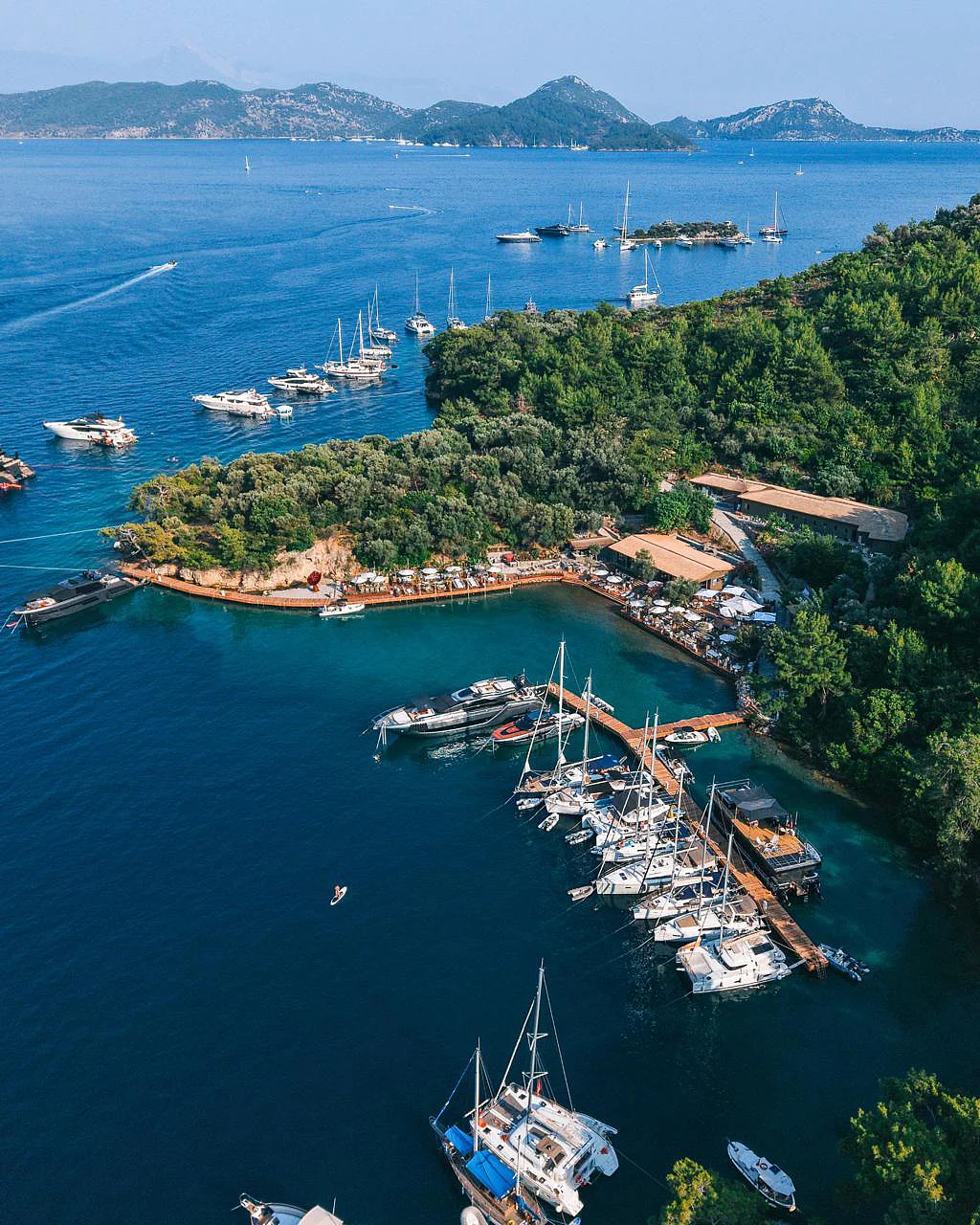
Miori Gocek.
The new wave of hospitality investments merges F&B innovation, wellness, and design authenticity. From your perspective, where is smart money currently flowing?
To stand out, developers and operators must offer holistic experiences. F&B, wellness, innovation, and design are equally crucial. Major hotel companies now recognize the impact of great F&B concepts in guest choices. For instance, Waldorf Astoria Maldives is popular partly because it houses Zuma. Groups like Accor/Ennismore are investing in F&B companies like Paris Society and Rikas, integrating restaurants as core hospitality elements. The old model, where hotels managed everything from spa to dining, is outdated. Owners prefer specialized partners, changing contracts and partnerships and creating a new landscape where focused operators lead in their expertise areas.
How has the concept of wellness evolved beyond spas into a broader investment thesis for developers and operators?
The term ‘spa’ no longer encapsulates this segment. Wellness and longevity are the current focus. AI is used to understand human DNA, paving the way for biohacking and stem-cell treatments. Scientists study long-living species to learn about aging. Developers see wellness as a key differentiator. Clinique La Prairie in One Za’abeel exemplifies a membership model emphasizing health and longevity. Brands like Lanserhof, SHA Wellness, and VIVAMAYR are expanding into the Middle East. Today’s masterplans allocate space for wellness partnerships, moving beyond steam rooms and saunas to genuine holistic wellbeing and health transformation.
Branded residences are booming in popularity across Dubai, Riyadh, and beyond. What is driving this surge, and how do you see the model evolving in the next five years?
Branded residences are profitable but risky. They can dilute brand value if mismanaged. The challenge is maintaining hotel-level service for residents sustainably. At Clé & Partners, we identified this opportunity and created Omoria, the world’s first ultra-luxury boutique residential hospitality brand focusing solely on residential living, not hotels. We are developing three Omoria projects on Dubai Islands and one in Ras Al Khaimah. Managing a home differs from a hotel. Homes deserve a service model tailored to that lifestyle. Omoria is designed for the modern connoisseur seeking serenity, personalization, and meaning at home.
Clé & Partners operates as a vertically integrated advisory and investment firm. How does your model differ from traditional hospitality consultancies, and what sets you apart?
Clé means ‘key’ in French, aptly describing our mission. We’re not a brokerage or traditional consultancy. We connect capital, creativity, and capability in one ecosystem. Our senior partners boast over 250 years of combined experience in luxury, lifestyle, real estate, and brand architecture. We are operators, not career consultants, having run major global brands. Our core value is fairness — a cornerstone of our success.
I’ve advised Fundamental Group, owners of leading F&B concepts like Gaia, Sirene by Gaia, Alaya, and Shanghai Me, helping them develop a hospitality division with resorts, membership clubs, and hotels. I also advise Godiva, assisting in repositioning the brand for its centennial. Additionally, we consult for one of the world’s largest investors on developing the Maldives’ largest island, covering about 55 acres. Each project demonstrates how we blend strategy and soul — our signature approach.
With such a global background and now a successful entrepreneurial venture, what is next for Clé & Partners in terms of geography and investment focus?
We are strategically focused on the Global South — the Middle East, Africa, Southeast Asia, and South America. These markets share the creative and demographic energy that propelled Asia’s rise two decades ago. Europe is mature, with regulation and saturation limiting its transformation pace. The Global South offers ambition, agility, and capital access.
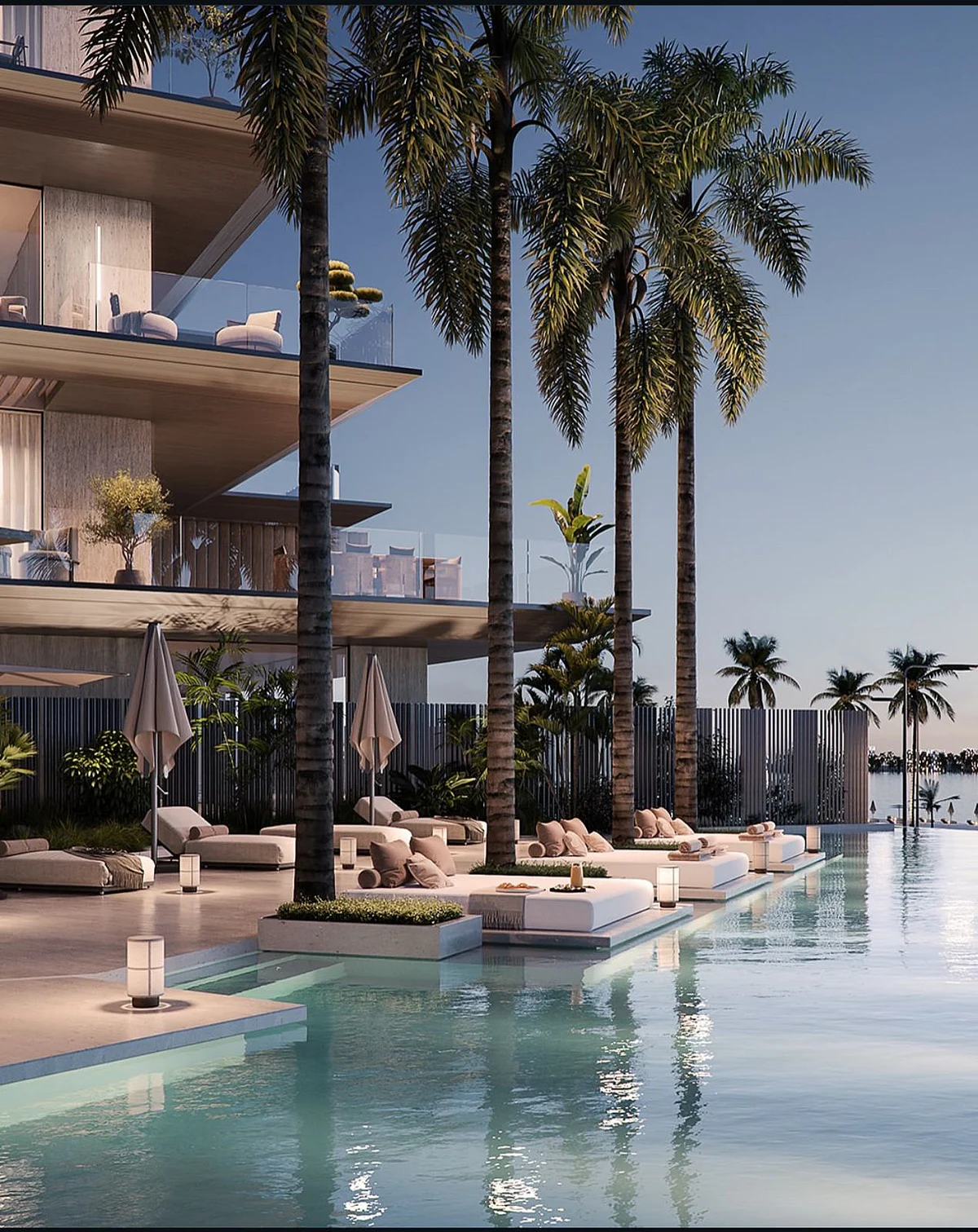
Omoria Private Residence.
At Clé & Partners, we believe the future of hospitality and lifestyle investment lies in interconnected ecosystems, not isolated ventures. As Harvard Business Review noted, today’s most successful firms integrate creativity, technology, and capital within a single, fluid structure — precisely what we’ve built. We connect operators, designers, and investors across verticals to create scalable yet soulful concepts.
We’ve launched our Culinary Innovation Lab, Retail & Entertainment Verticals, and Creative Brand Platforms, enabling us to develop, advise, and co-own intellectual properties to roll out with aligned partners across the region. This is where hospitality merges with private equity, transforming ideas into equity and creativity into a measurable asset class. Watch for our F&B concepts: Kigo, an omakase restaurant in DIFC; Miori, our first Aegean gastro-destination, both recently opened; and OMEBAB, a contemporary luxury kebab concept redefining casual fine dining, opening soon. Each represents a new frontier where experience, emotion, and investment harmoniously coexist.
What major shift do you believe will redefine the global hospitality landscape in the next decade?
Undoubtedly, artificial intelligence will be the game-changer. AI will reshape economies, jobs, and government systems. Some jobs will vanish, but people will gain more personal time, boosting travel and leisure demand. However, AI cannot replace human connection. No one wants a robot serving dinner. The emotional connection, human warmth, and the joy of sharing a meal will remain unchanged. Even in a tech-driven world, hospitality will stay the most human of industries. While technology shapes the world, hospitality will always shape the human heart.