In Case No. 9, Aamina Sheikh portrays a lawyer, delivering a memorable moment of brilliance. In her debut scene, as she prompts the victim, played by Saba Qamar, to share her story, Aamina subtly signals the officer with a raised eyebrow and a slight head tilt. He knows immediately to start taking notes—no words, no dramatics, just seamless authority. Her strength lies in this subtlety and naturalness, thriving in that delicate balance between silence and expression.
In a world where certain talents elevate projects by their mere presence, Aamina Sheikh is akin to Tabu, whose involvement promises a film of quality and depth. Aamina’s return is more than a casting choice; it reassures audiences of a project’s substance and integrity, lasting beyond the credits. Her fans and the industry can expect performances that remind us why she remains a highly sought-after yet discerning artist. Her patience in choosing the right project speaks volumes.
Interestingly, Case No. 9 wasn’t her initial comeback choice. She shares:
“While it marks my TV return, my first project was the Netflix series Jo Bichad Gaye Sang Samet Lo. That’s what I returned to first. I was also involved in ad campaigns, so it wasn’t a complete break. The Netflix series is high-quality, shot internationally, and showcases our drama industry’s best, representing Pakistan’s identity. Though it’s still in post-production, Case No. 9 caught my excitement.”
Indra Nooyi once noted the tension between biological and career clocks for many women. Yet, Aamina faced no such dilemma. After 15 years of dedication in television and film, she chose to focus on family, confident she could return to her craft on her terms. The break wasn’t a pause from ambition but a deliberate choice to honor family. Yet, does a comeback have a cost, with changing tastes and priorities?
She acknowledges the cost: “You must be willing to compromise; otherwise, it turns into a resentful experience. I had built a fulfilling career, and my biological clock was aligned with my career, so I took a break. I had opportunities even before Case No. 9, but I didn’t want to leave home. With my firstborn, I took her to the set for Pakeezah because of prior commitments. But with my second, I chose to stay away for a while.”
Staying out of the spotlight and sparingly appearing has its downsides, especially without an active social media presence. Aamina admits she’s not suited for that world. Even at her career’s peak, she avoided excessive interviews, letting her work speak for itself.
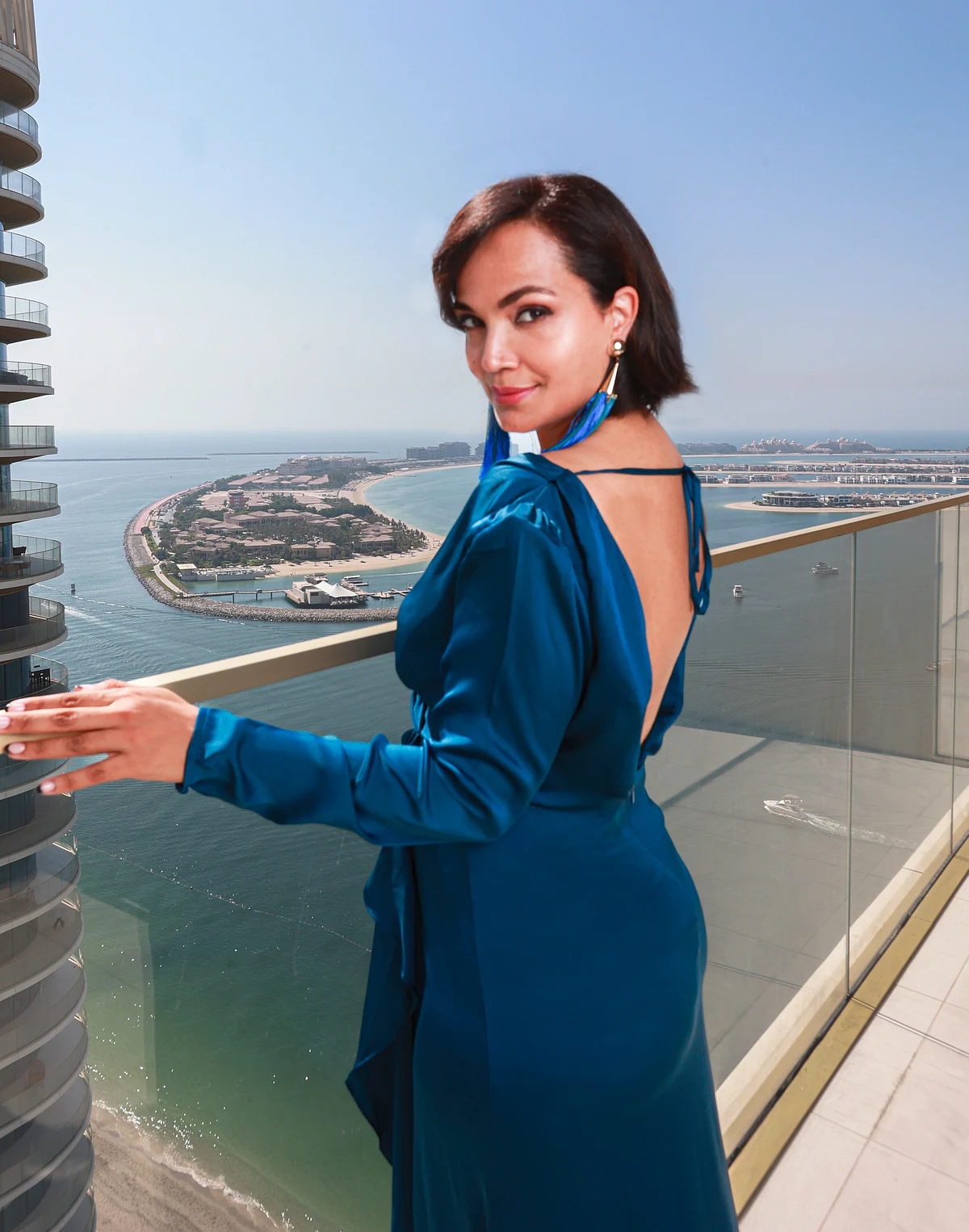
“I was never one to share much of my personal life,” she confesses. “Being out of sight has drawbacks, but that’s where good work’s beauty shines. Our strong repository of dramas and films keeps us relevant, with even younger audiences recognizing projects from a decade ago like Maat, Daam, and Jackson Heights, as well as recent ones like Cake. When Case No. 9 was announced, everyone noted, ‘The Maat sisters are back!’ That felt rewarding, knowing your work remains significant.”
Discussing her role as a lawyer, Aamina shares, “I play the victim’s lawyer, aiming to educate viewers on legal recourse for serious crimes depicted in the drama. The narrative ties it in with courtroom navigation, educating engagingly without being preachy. This experience was truly enriching.”
“We learned legal terminologies and courtroom procedures, even studying High Court and Supreme Court verdicts to understand law evolution. It’s authentic and well-researched,” she adds. “With lawyers involved throughout, it felt like a classroom. The script is intense and rooted in reality, aiming to inspire hope and accountability.”
On her character, she elaborates, “My role is straightforward, non-emotive, and black and white. I’m used to exploring grey areas, but here, the challenge was restraint and grounding. The script demanded precision, delivering long takes and legal references exactly as written. Courtroom scenes were taxing, requiring stamina and focus.”
“Initially, I struggled with the long script, occasionally fumbling, and felt for the actors during lengthy scenes. But the support was incredible; they understood my pace and intent. I wanted to avoid a public service announcement tone, so I ensured authenticity. Saba was a tremendous support, always encouraging me. It’s support and sisterhood like this that enriches the experience.”
Praising Saba Qamar, Aamina reflects on her craft and growth: “I first met Saba on Maat set, and though we didn’t stay in touch, her evolution is remarkable. Constant self-education and no-nonsense attitude have carved her path. The drama demands intense emotion, and she excels at it, as expected.”
Based in Dubai with a Golden Visa, Aamina is proud of her profession as an actress. “The Golden Visa is a blessing, offering flexibility for frequent travels. Seeing ‘actress’ as my profession is special, an identity acknowledgment not typically seen on home IDs. Dubai’s proximity to my work allows easy travel, empowering my career.”
Sadiq Saleem is a UAE-based writer and can be contacted on Instagram @sadiqidas.