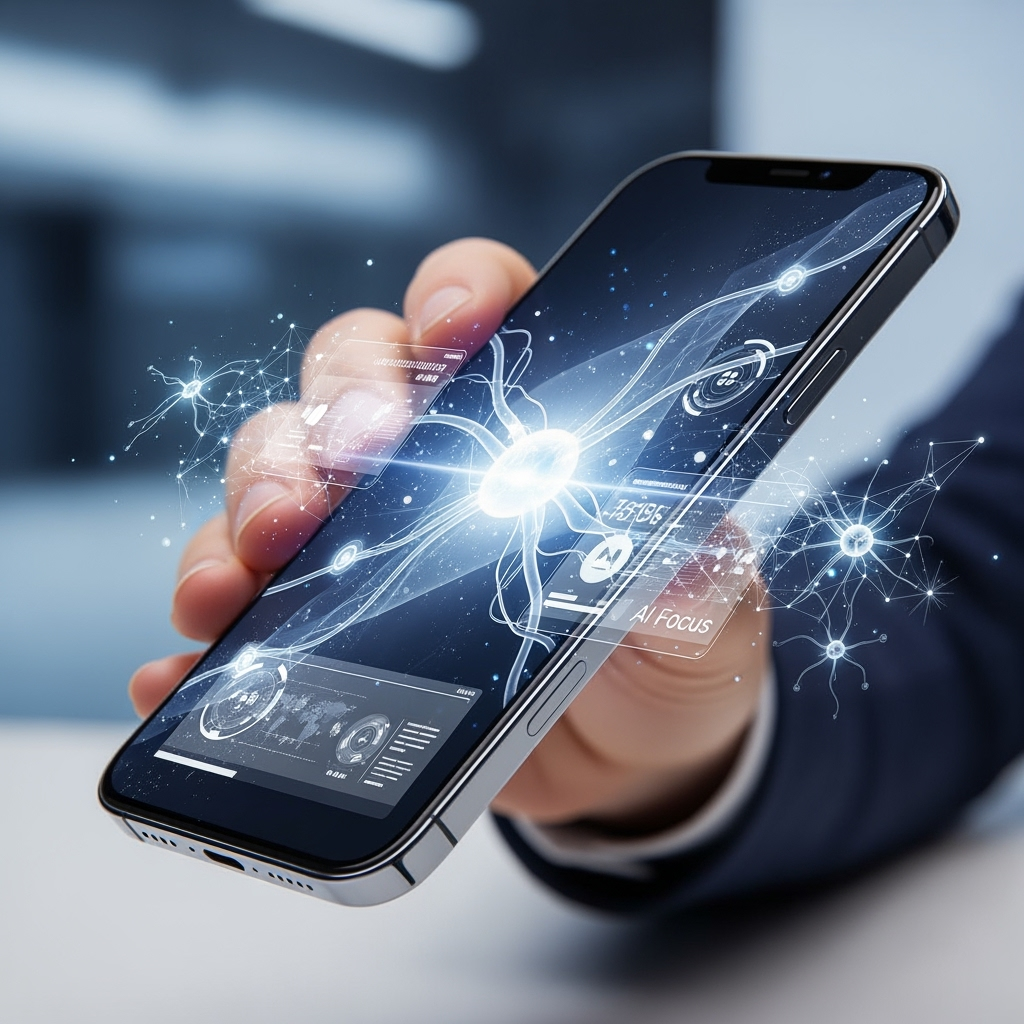
As Apple prepares to unveil its new iPhones on Tuesday, experts suggest that the company’s main hurdle will be enduring another lackluster launch. Competitors have surged ahead in integrating artificial intelligence into their offerings.
This year’s highlight might be the much-speculated “iPhone Air,” touted to be thinner than any prior models, drawing inspiration from the sleek MacBook Air.
According to analysts, Apple faces the challenge of fitting batteries and cameras into a slimmer design while aiming to price it between the base iPhone 17 and the premium Pro models to capture a broad audience.
Dipanjan Chatterjee, a vice president and principal analyst at Forrester, suggests a sleeker iPhone could drive upgrades. “It’s been some time since we’ve seen significant changes to the device’s design beyond minor tweaks. The novelty of the Air might encourage users of iPhone 14, 15, and even 16 to upgrade,” Chatterjee commented.
The thin design could pave the way for a future iPhone that folds like a book, potentially serving as a platform for an enhanced Siri, although neither is expected before next year.
Samsung is already on its seventh generation of foldable phones, and Google, part of Alphabet, is on its third. However, Chatterjee estimates such devices account for less than 2% of total phone sales and won’t exceed 5% soon.
For Apple, a foldable phone is crucial to capturing the Chinese market, where foldables are popular and the company is losing market share.
Gene Munster, managing partner at Deepwater Asset Management, highlights that Apple historically derives nearly a quarter of its sales from mid-range iPhones. He anticipates that Apple will find ways to increase prices across its lineup without directly referencing U.S. tariffs, possibly by increasing the cost of higher storage options.
“They’ve learned to navigate Washington well—a direct price hike might not be received positively,” Munster explained. “But with rising costs and a focus on maintaining margins, they need to find a strategy.”
AI Challenges
Apple initially planned Siri enhancements for last spring but postponed due to engineering issues. Instead, it partnered with OpenAI, creators of ChatGPT, to bolster AI features on its devices. In contrast, Google’s new flagship phones primarily showcase the Gemini AI models.
Reports suggest Apple is in preliminary discussions to leverage Google’s Gemini AI for a Siri overhaul.
Ben Bajarin, CEO of Creative Strategies, noted that Apple might emphasize the improved AI processing of its next-gen Apple Silicon chips, which could eventually support an “agentic” Siri, managing tasks in the background for the 2.35 billion Apple devices globally, without draining battery life.
“This could hint at a broader agentic integration within their operating system, which will most significantly impact the chip’s AI capabilities,” Bajarin remarked.
Bob O’Donnell, president of TECHnalysis Research, stated that while AI adoption is still budding, Apple’s window to catch up without long-term consequences is now counted in months rather than years.
“They hold a substantial market share in the U.S., and most users are satisfied,” he said. “But by this time next year, if Siri remains underwhelming and a foldable iPhone isn’t released, that satisfaction may wane,” O’Donnell warned.
Apple’s ‘Awe Dropping’ event is set for Tuesday, September 9, where the company is anticipated to reveal its iPhone 17 series.