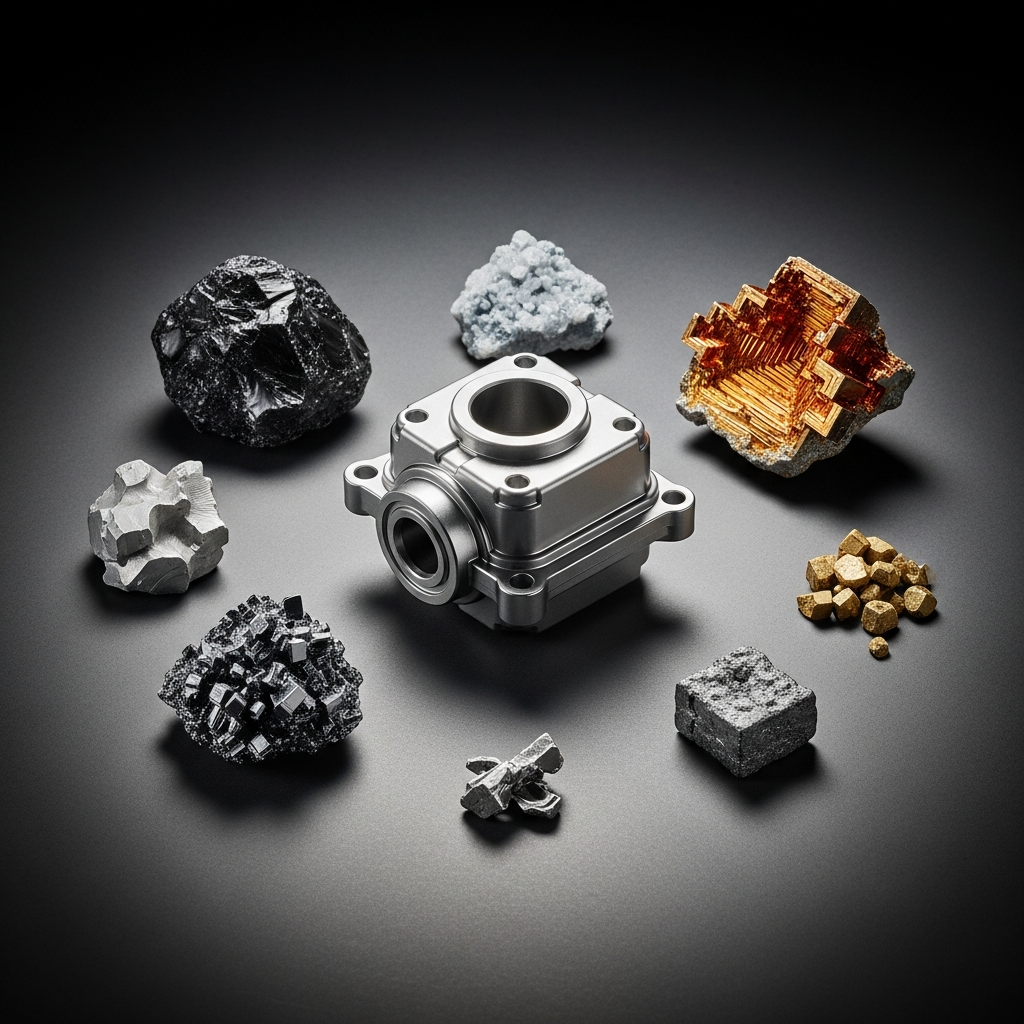
Facing frequent shortages of crucial materials from China, automakers in the U.S. and Europe are discreetly working to reduce or eliminate their reliance on materials caught in global power struggles.
These companies are exploring new technologies and exotic materials as alternatives to magnets containing rare-earth metals, which are integral in numerous car and truck components. This includes parts like windshield wiper motors and seat adjustment mechanisms.
Rare-earth magnets, made from elements such as neodymium, dysprosium, and terbium, are vital for electric and hybrid vehicle motors, which are growing in popularity.
China dominates the mining and processing of most rare earths, leveraging this near-monopoly as a diplomatic tool. Recently, it restricted exports of certain materials, seemingly in retaliation to President Trump’s tariffs on Chinese products.
The instability in rare-earth supply poses a significant threat to automakers, prompting a new urgency to find motors not reliant on rare earths or develop alternative materials.
BMW’s electric vehicles already use motors that avoid rare earths. Researchers at Northeastern University and other institutions are working to create materials with promising magnetic properties, found only in meteorites.
Startups are developing new motor types and technologies, with the Department of Energy supporting these efforts despite the Trump administration’s rollback of other electric vehicle supports.
Many of these innovative solutions may take years to materialize, and alternatives like BMW’s can be costlier or have drawbacks. For now, the industry remains vulnerable to shortages that could halt production lines.
“This isn’t a challenge you can overcome in a year,” stated Gracelin Baskaran, director of the Critical Minerals Security Program at the Center for Strategic and International Studies in Washington.
Recently, Beijing temporarily lifted some rare-earth export restrictions as part of an agreement with the Trump administration, but controls remain a threat amid ongoing U.S.-China tensions.
“There’s a sort of detente now,” said Tom Moerenhout of Columbia University’s Center on Global Energy Policy. “But the question isn’t if there will be another instance of rare earths being weaponized, but when.”
The auto industry has faced rare-earth shortages before. In 2010, China’s supply restrictions led to a dispute with the Obama administration.
The COVID-19 pandemic, which caused severe semiconductor and other component shortages, highlighted the risks of relying too heavily on a limited number of suppliers. Consequently, many automakers began seeking alternatives.
Carmakers can pursue two strategies to maintain production: source rare earths outside China or switch to components not requiring these metals.
General Motors is following the first strategy with MP Materials, an American company mining rare earths in California. MP is also constructing a Texas facility to refine materials for magnet production. Under a 2021 agreement, GM committed to purchasing most of the Texas factory’s output for Cadillacs and Chevrolets. MP also has agreements with Apple and the Defense Department.
Such agreements ensure revenue for companies like MP, previously unavailable to rare-earth firms that went bankrupt after price drops during past crises. MP acquired its California site from one such bankrupt entity.
However, automakers like GM face risks. They might pay more than other manufacturers if shortages ease and prices drop.
GM is also exploring components that don’t need rare earths. “There’s nothing like not having to use rare-earth materials, whether in magnets, batteries, or anything else,” said Mark Reuss, GM’s president, at a New York event. “How do we engineer out that dependency?”
A GM spokesperson declined to provide details.
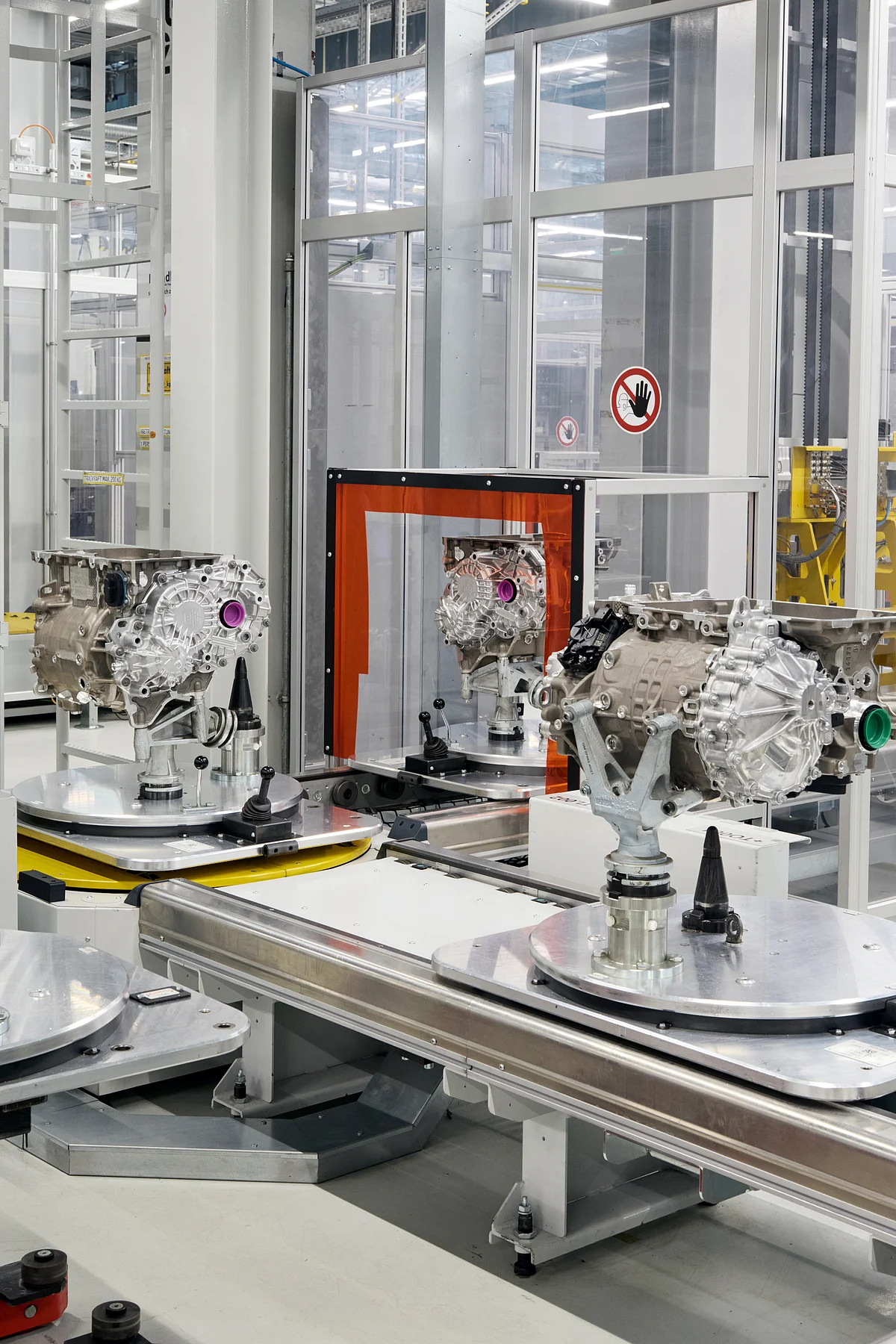
Assembled mechanical parts for electric motors at a BMW plant in Dingolfing, Germany. The company began developing motors without rare earths after a rare-earth material price spike around 2011. (Roderick Aichinger/The New York Times)
In the 1980s, a GM unit developed magnets from neodymium, iron, and boron, now widely used in electric vehicle motors. However, GM sold the technology to Chinese companies.
BMW uses motors without neodymium or other rare earths in models like the iX SUV. An electric current generates the magnetic field inside the motor, converting electrons to motion.
BMW began developing this technology following a neodymium price spike around 2011. The luxury carmaker claims to have largely resolved the drawbacks of these motors, which are typically heavier, bulkier, and less energy-efficient than those with rare earths. The company manufactures these motors near its Munich headquarters and in Austria.
The motors are more efficient than those using rare earths at everyday driving speeds, said BMW engineer Stefan Ortmann. Additional benefits include adjustable magnetic fields and easier cooling.
“We think it’s the sweet spot for us,” Ortmann noted.
A new motor version, even more efficient than previous models, will be installed in the iX3 SUV, which BMW plans to sell in the U.S. next summer. The company claims this model will travel 400 miles between charges.
The Trump administration is offering grants of up to $3 million to support researchers in developing rare-earth alternatives. Applicants must aim to create magnets twice as powerful as the best rare-earth magnets, a goal some experts consider unrealistic.
The Department of Energy, in a document outlining the program, expressed confidence that this target could be achieved using artificial intelligence.
“Recent technological advances have the potential to dramatically accelerate new magnet discovery,” stated the department’s Advanced Research Projects Agency-Energy in August. The department did not respond to a comment request.
This article initially appeared in The New York Times.