The Param Sundari trailer, featuring Janhvi Kapoor and Sidharth Malhotra, has caused quite an online stir—but not for the reasons the creators intended.
Aimed at celebrating a Malayali girl, it instead faced criticism for lazy stereotypes: jasmine flowers in her hair, oiled braids, and a token Mohiniyattam routine.
Last week, Steffi, known as @stuffwithsteffi on Instagram, released a video dissecting the Param Sundari trailer, focusing on Janhvi Kapoor’s portrayal of Sundari.
She humorously mocked Bollywood’s clichés by pinning flowers in her hair, saying, “To look Malayali, according to Bollywood, this is it.” She wasn’t alone; many creators shared their frustrations online.
View this post on Instagram
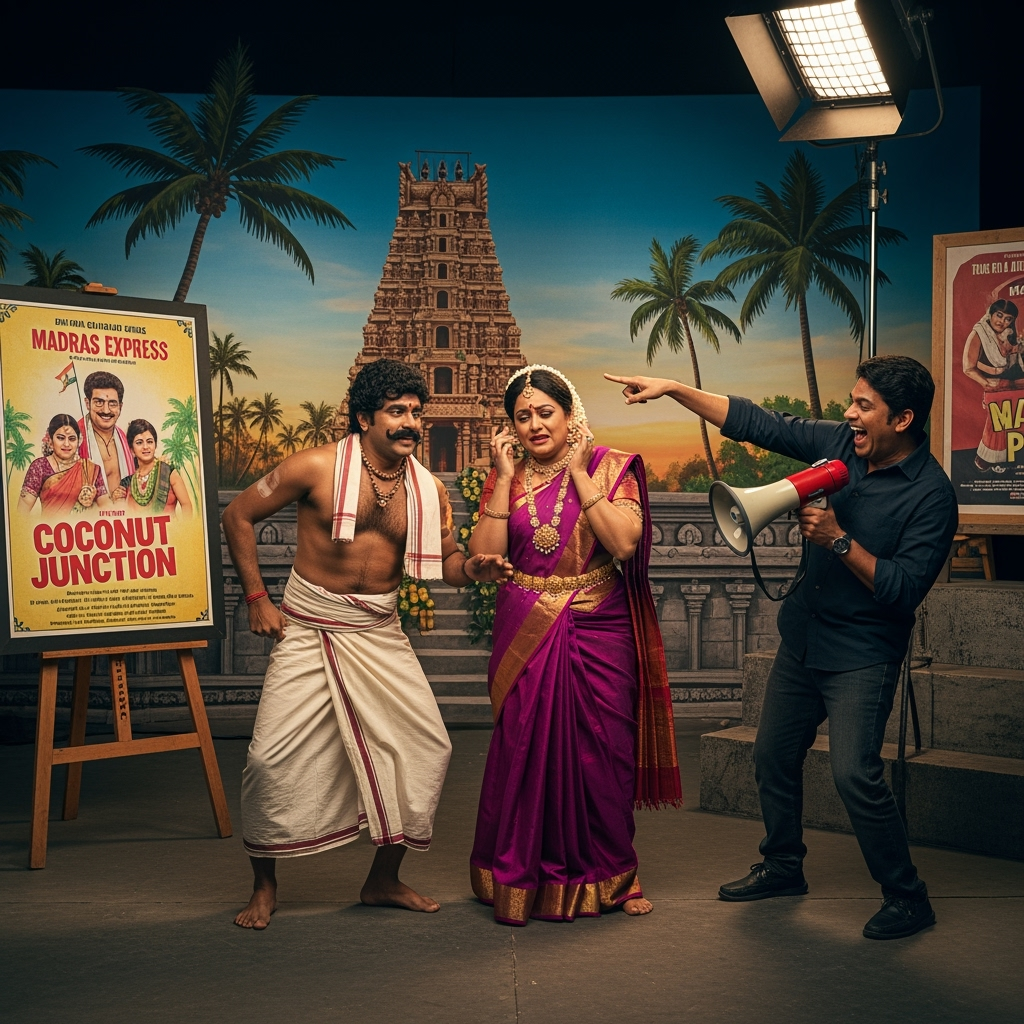
This raises the question: Is Hindi cinema still stereotyping South India in 2025? Unfortunately, this is not new. Many big-budget films have often turned entire cultures into caricatures.
Here are five glaring examples:
Agneepath (1990)
Mithun Chakraborty’s portrayal of Krishnan Iyer, M.A.—or “Yemm-Yay”—is a memorable yet stereotypical depiction of a South Indian coconut-seller. Known for its comic timing, the role leans heavily on clichés like a thick Tamil accent, oil-slicked hair, lungi, and exaggerated mannerisms. Intended as comic relief alongside Amitabh Bachchan’s serious role, it set a template for South Indians as funny-accented sidekicks rather than complex characters—a trope Bollywood has repeated for decades.
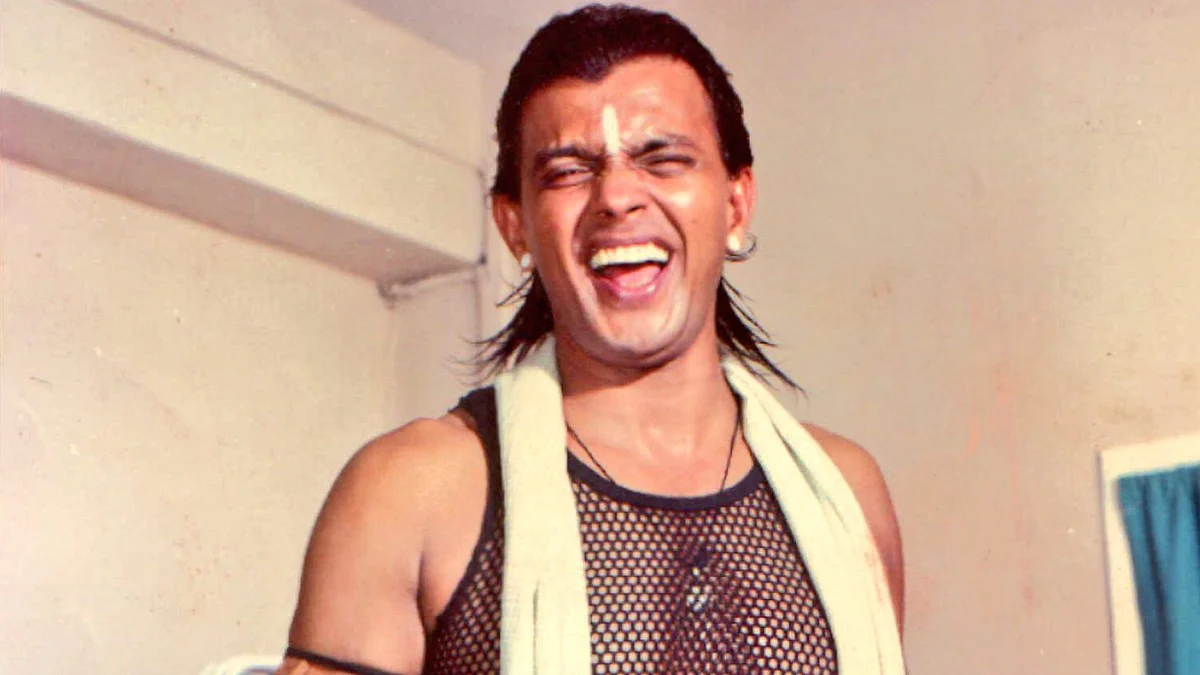
Mithun Chakraborty in ‘Agneepath’
His character relied on clichés: a thick Tamil accent, oil-slicked hair, lungi attire, and exaggerated mannerisms. Originally meant as comic relief alongside Amitabh Bachchan’s serious role, it cemented the trope of South Indians as funny-accented sidekicks instead of nuanced individuals—a template Bollywood echoes whenever a ‘Madrasi’ caricature is needed.
Ra.One (2011)
Shah Rukh Khan’s Shekhar Subramanium is a high-profile example of the “South Indian nerd” stereotype. His exaggerated Tamil-accented Hindi, awkward social skills, and preference for curd rice are played for laughs. The portrayal, although intended as affectionate, leans heavily into the stereotype of South Indians as accent-heavy geeks rather than well-rounded individuals.
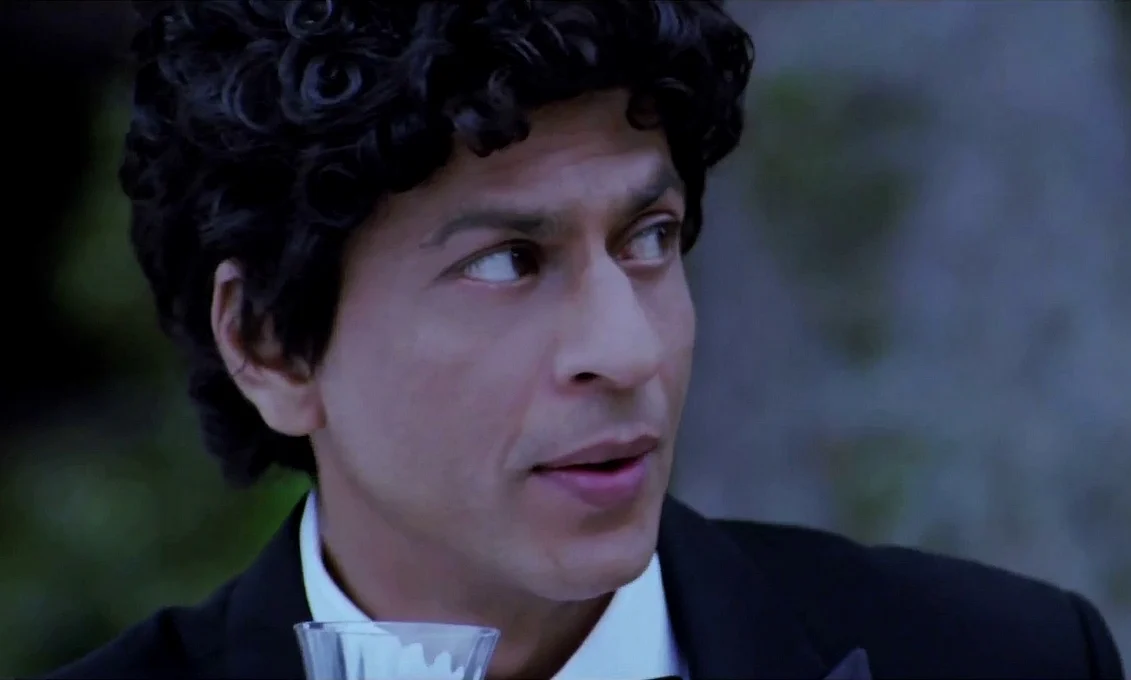
Still from ‘Ra.One’
Though meant to be affectionate, the portrayal leans heavily into the stereotype of South Indians as accent-heavy geeks rather than well-rounded individuals.
Chennai Express (2013)
Rohit Shetty’s blockbuster was marketed as a love letter to Tamil Nadu but is known for its exaggerated portrayals. Deepika Padukone’s Meenamma speaks in a hybrid accent—more Malayali than Tamil—often for laughs.
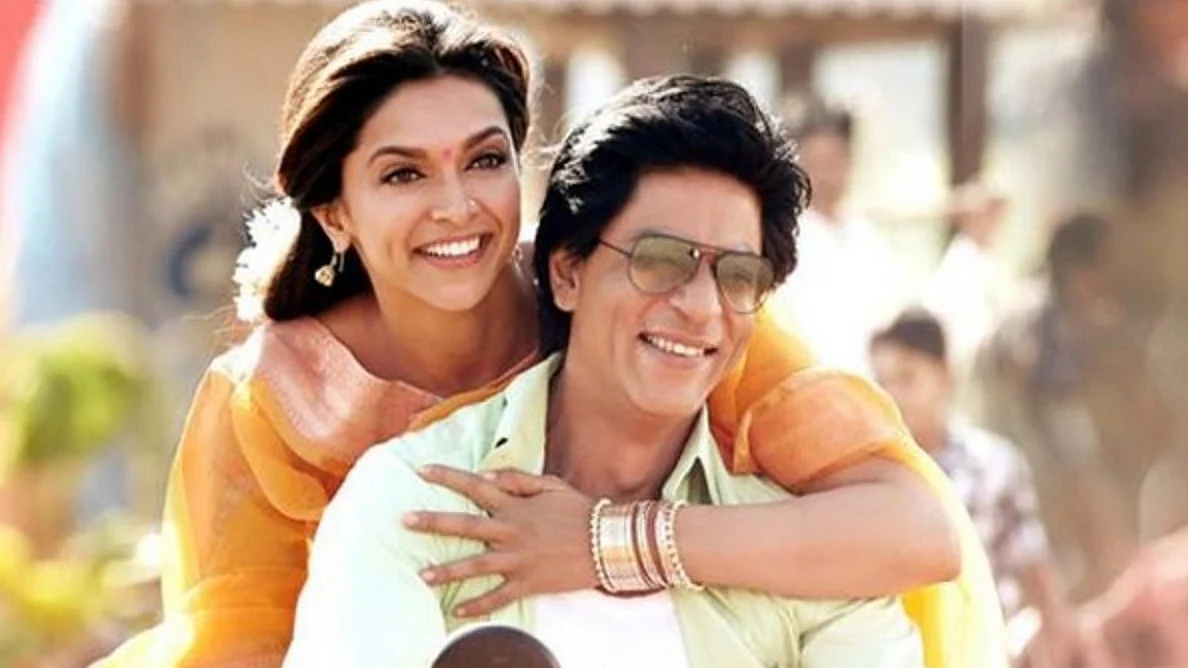
Still from ‘Chennai Express’
The Lungi Dance track, meant as a tribute to Rajinikanth, reinforced a singular, flattened idea of South Indian identity: lungis, dance beats, and catchphrases. Even the character names and mannerisms played into familiar tropes instead of nuanced storytelling.
Meenakshi Sundareshwar (2021)
Netflix’s rom-com aimed to feature a Tamil couple but ended up alienating the audience it intended to represent. Abhimanyu Dassani and Sanya Malhotra play Tamil characters who speak mostly in Hindi.
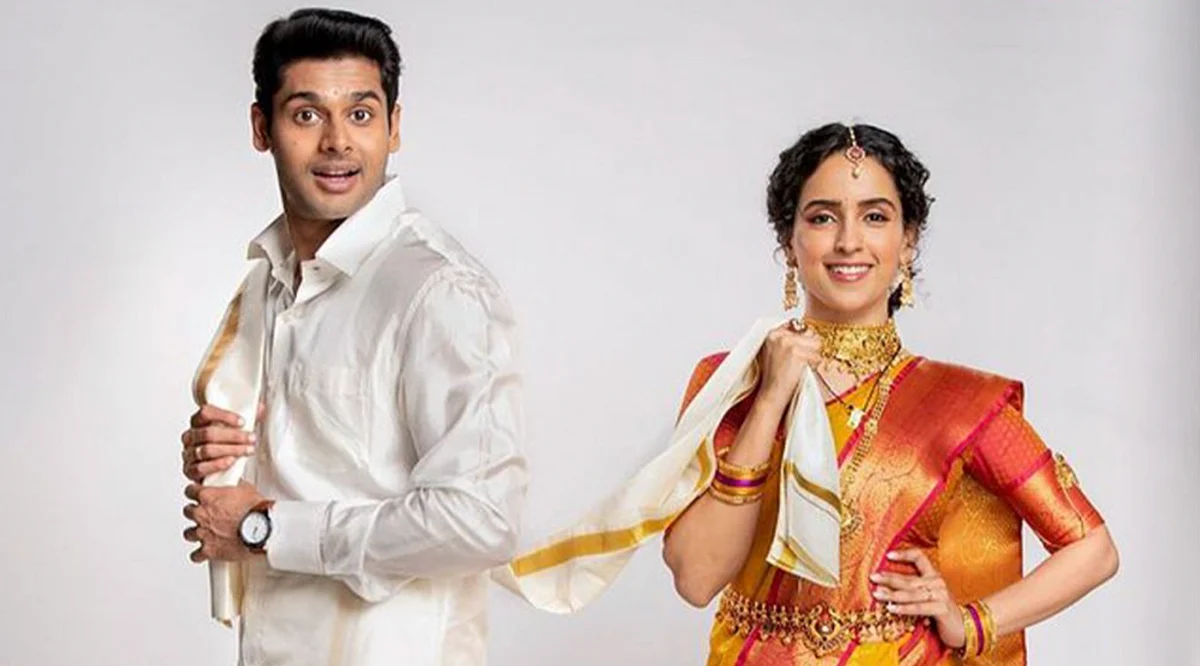
Cultural elements like filter coffee, Carnatic music, and temple imagery were included but lacked depth. Even the diction and accents felt ‘Bollywoodised’, leaving many South Indian viewers frustrated at how a pan-Indian platform could still recycle stereotypes.
Kisi Ka Bhai Kisi Ki Jaan (2023)
The infamous Yentamma song became a case study in cultural caricature. Salman Khan, Ram Charan, and Venkatesh are seen in bright lungis, dancing to a perplexing tune.
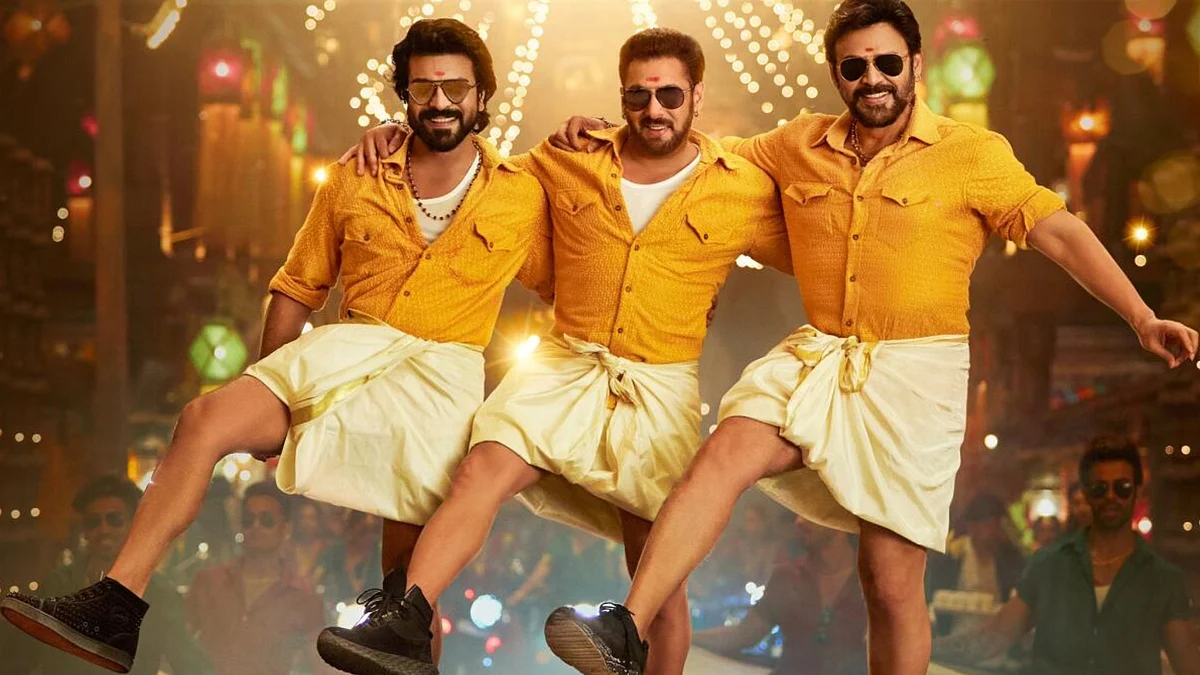
Still from ‘Yentamma’ song
Lyrics like “naachenge uthaa karke lungi” caused outrage, highlighting that a lungi is casual wear, not a dance prop.
In 2025, with Param Sundari, we see a return to bright-colored lungis and jasmine-in-the-hair clichés. While it’s unfair to judge a film solely by its trailer, the online backlash is telling. But who knows, maybe the film will surprise us?