
The UAE is increasingly becoming a top destination for crypto-focused real estate investors, emerging as a mature market with swift cross-border settlements, transparent processes, and diverse payment options, according to experts.
Industry leaders highlight that effective regulations, Dubai’s blockchain-friendly policies, and zero property tax position it as a leading hub for crypto-backed real estate. However, they recommend that property buyers transact only through licensed brokers or exchanges to protect their investments.
Experts caution that crypto transactions are irreversible, making them attractive to fraudsters. Unlicensed brokers or exchanges heighten the risk of losing funds. Resale markets for crypto-purchased properties are limited as not all UAE developers accept cryptocurrencies.
Buying property with cryptocurrency in the UAE is now legal and regulated, especially in Dubai. Under the Virtual Assets Regulatory Authority (VARA) and UAE Central Bank rules, crypto payments must be converted into dirhams through licensed intermediaries prior to property registration.
Leading developers like Damac, Nakheel, Ellington, Omniyat, and Arada accept cryptocurrency payments for select projects. Buyers undergo strict KYC and AML checks, and title deeds are recorded in UAE dirhams.
Experts note, “This process offers faster transactions, global accessibility, and portfolio diversification for crypto holders.”
Dubai Leading the Way
The cryptocurrency market has seen significant growth, with a total market cap exceeding $4 trillion by 2025. This growth encourages investors to explore crypto real estate deals—buying apartments, villas, and luxury penthouses using cryptocurrencies like Bitcoin.
As a futuristic city with plans to become a smart city, Dubai is at the forefront of cryptocurrency. Its real estate market not only aligns with global trends but sets them. Dubai aims for 90% cashless transactions by 2026 and accelerates digital currency adoption while regulating the sector.
An analyst states, “With a well-regulated system, more developers on board, and the city’s commitment to innovation, now is an excellent time to explore crypto real estate in Dubai, offering opportunities to purchase properties using Bitcoin, Ethereum, Tether, and other digital currencies.”
In July, the Dubai Land Department signed an agreement with crypto.com to develop procedures supporting digital real estate transactions, enabling investors to buy and sell properties using digital currencies. This collaboration supports the Dubai Real Estate Strategy 2033 and its Dh1 trillion transaction target.

Omran Yousef, CEO of Ovaluate Real Estate Valuation Services.
Investors Show Interest
Omran Yousef, CEO of Ovaluate Real Estate Valuation Services, observes a steady rise in real estate transactions initiated through cryptocurrencies in the UAE, particularly Dubai. Although these purchases are a smaller market segment, international investor interest is growing annually.
Yousef explains, “Dubai’s regulatory environment, openness to innovation, and high investor confidence make it a global market where digital assets naturally align with real estate. This trend reflects a maturing market where buyers seek faster cross-border settlement, transparent processes, and alternative payment options. As regulations become clearer, this segment will expand in a structured and sustainable way.”
Ifthihan Ishak, Sales Director at Union Square House Real Estate Broker, says the UAE is becoming increasingly attractive to crypto-driven real estate investors.
“While the market is in its early stages, interest has grown significantly over the past few years, especially among younger high-net-worth individuals who prefer faster, tech-enabled transactions. Dubai’s progressive approach to digital assets has built confidence, and more investors are exploring cryptocurrency for real estate purchases. The momentum, while not mainstream yet, is growing,” Ishak states.
Challenges in Crypto Transactions
Yousef identifies the main challenges as compliance, transparency, and settlement stability. Crypto transactions must meet strict AML and source-of-funds requirements, and tracing digital asset origins can be complex with multiple wallets or exchanges.
“Volatility is another concern: digital currency values can fluctuate, creating uncertainty for buyers and developers, especially for off-plan or staggered payments.”
Operational challenges also exist in converting crypto to UAE dirhams through regulated channels during transfers. “These factors can slow processes or discourage sellers preferring predictable settlement timelines.”

Ifthihan Ishak, Sales Director at Union Square House Real Estate Broker.
Ishak notes that price volatility is a major challenge, as crypto values can fluctuate rapidly, affecting deal timing and the final amount received.
“Compliance is another challenge. Every crypto transaction must undergo strict KYC and AML checks, and not all investors are ready for that level of transparency,” he adds.
“Finally, developer acceptance is limited. Only a few major developers accept crypto transactions, reducing options compared to traditional payment methods,” he concludes.
Recommended Regulatory Enhancements
Ishak praises UAE initiatives to facilitate crypto property purchases and suggests measures to streamline procedures further.
“There has been solid progress from UAE regulators, but a few improvements could make the process smoother,” he says.
He suggests clearer, simplified guidelines for crypto-backed real estate transactions to attract more property investors. Additionally, the government should introduce more licensed and government-approved payment gateways for digital currency payments.
A UAE-backed stablecoin pegged to the UAE dirham would eliminate volatility and provide stability in high-value transactions. Streamlined verification processes for genuine crypto investors are also needed. “These steps would make crypto property buying more efficient while maintaining the UAE’s security and transparency,” he states.
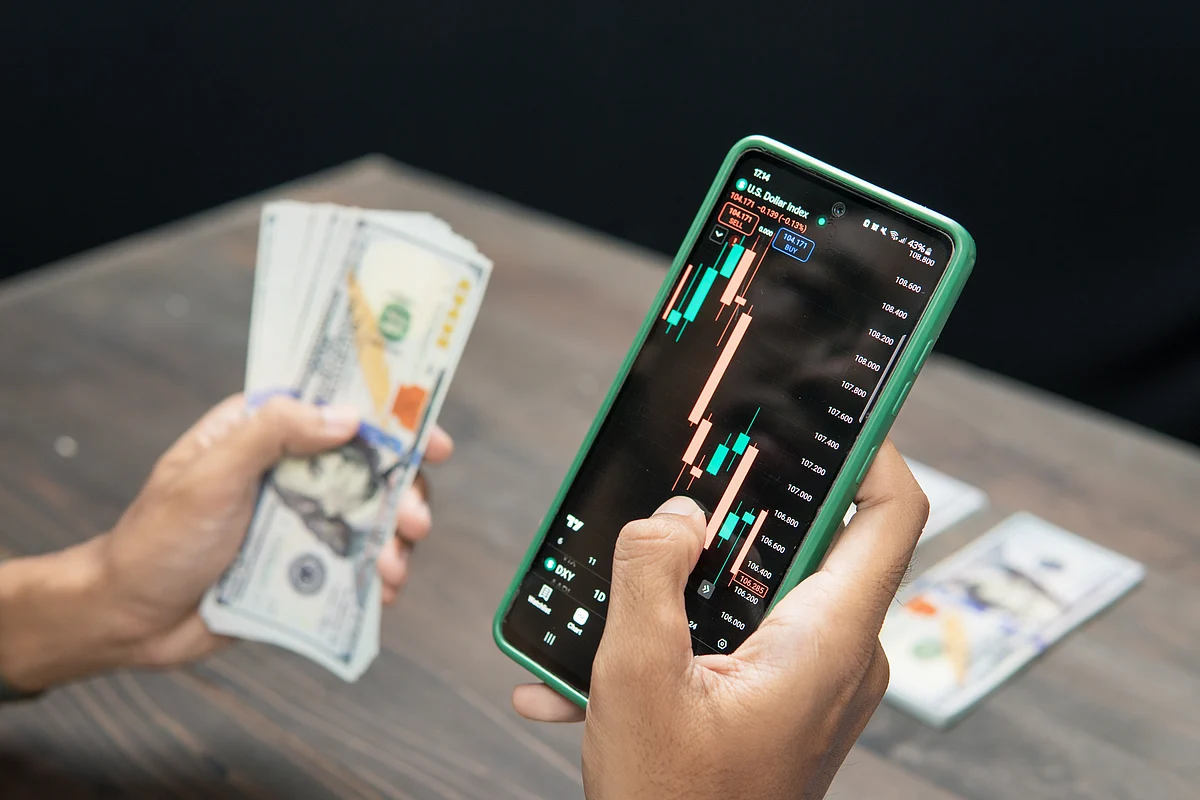
The UAE is increasingly becoming a top destination for crypto-driven real estate investors.
Yousef believes effective regulations can boost investor confidence in digital currency real estate investments.
“A dedicated regulatory framework for crypto-based property transactions would enhance market clarity and investor confidence. This could include licensed crypto-fiat gateways approved for real estate, standardized procedures for on-chain verification of fund sources, and clear guidelines for valuation and settlement timelines involving digital assets.
“Establishing these structures would reduce risk, streamline compliance, and enable smoother adoption across developers, brokers, and financial institutions. With the right regulatory foundation, Dubai can solidify its position as a global hub for digital assets and real estate innovation.
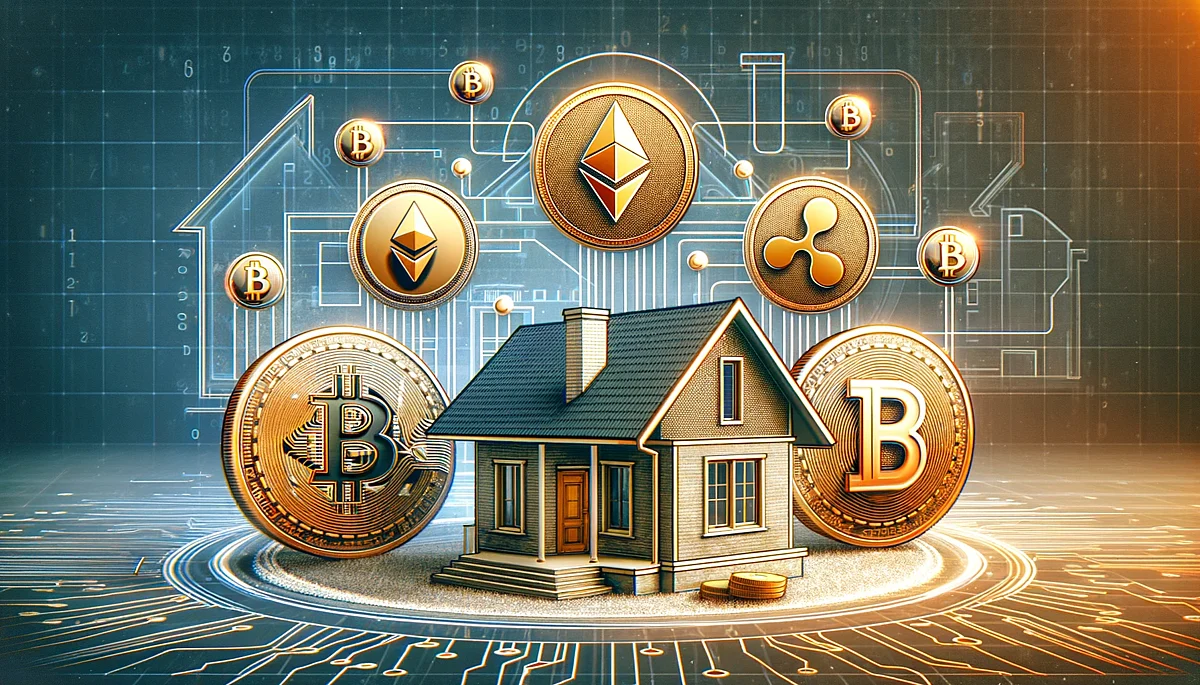
The cryptocurrency market has seen significant growth, with a total market cap exceeding $4 trillion by 2025.
Facilitating Crypto Investors
Yousef says Ovaluate focuses on real estate valuation, data intelligence, and regulatory-grade accuracy.
“We do not process property payments or accept cryptocurrencies at this stage. However, as the market evolves, we are studying the integration of compliant digital-asset payment solutions into future platform phases. Our intention is to align with emerging buyer behavior while adhering to AML, KYC, and fund-source verification regulations. Once the regulatory framework is more defined, Ovaluate can enable crypto-compatible processes within the ecosystem,” he states.
Ishak says his company facilitates real estate investors paying with digital currencies.
“Yes, we assist clients in buying property using cryptocurrency. The process is simple: the buyer transfers their crypto to a licensed OTC desk or an approved crypto payment provider, where it’s converted into dirhams. The developer or seller receives payment in local currency,” he explains.
“While we don’t accept direct wallet-to-wallet payments, we fully support crypto-backed transactions through regulated, compliant channels,” he states.
Analysts and industry executives say the outlook for property purchases through cryptocurrency in the UAE is promising, with Dubai positioned as a global leader in crypto-friendly real estate, supported by clear VARA and Dubai Land Department regulations.
“By 2025, crypto payments will account for a growing share of off-plan deals, driven by foreign investors seeking fast, borderless transactions and wealth diversification. With zero property tax, strong legal frameworks, and tokenization initiatives, Dubai’s real estate market is set to attract more crypto-backed investments,” they conclude.

Be aware that crypto transactions are irreversible.
5 Steps to Buy Real Estate with Cryptocurrency
Property buyers can follow 5 steps to ensure a secure and compliant purchase using cryptocurrencies.
Choose a Crypto-enabled Broker: Select a real estate company experienced in managing crypto transactions and familiar with Dubai’s legal framework.
Select the Property: Browse listings with crypto payment options—off-plan apartments, waterfront villas, and branded residences are commonly available.
Agree on Payment Terms: Clarify the preferred cryptocurrency, value pegged to the UAE dirham, and conversion method—direct or through a third party.
Compliance and Verification: Both parties must undergo KYC checks and comply with AML guidelines. Transactions must meet VARA and Dubai Land Department requirements.
Complete the Transaction: Payment is processed, documents are signed, and the title deed is registered with DLD, often faster than traditional transactions.
BE AWARE OF RISK FACTORS
Price Volatility: Cryptocurrencies can fluctuate significantly in value within hours, creating uncertainty in property pricing and potential losses if the market moves unfavorably before conversion to the UAE dirham.
Regulatory Compliance: Transactions must comply with UAE laws, including crypto-to-dirham conversions through licensed intermediaries, KYC, and AML checks. Non-compliance can delay or invalidate deals.
Fraud and Scams: Crypto transactions are irreversible, attracting fraudsters. Unlicensed brokers or exchanges increase the risk of fund loss.
Liquidity Issues: Not all developers accept crypto, and resale markets for crypto-purchased properties are limited. Converting back to fiat may involve extra fees and time.
Legal Uncertainty in Other Jurisdictions: While Dubai has clear rules, other countries may not recognize crypto-based property purchases, complicating international ownership or financing.
4 SUGGESTIONS TO STREAMLINE CRYPTOS PAYMENT
· Clearer, simplified guidelines for crypto-backed real estate transactions
· More licensed and government-approved payment gateways
· A UAE-backed stablecoin pegged to the UAE dirham, eliminating volatility and providing stability in high-value transactions
· Streamlined verification processes for genuine crypto investors