[Editor’s Note: This article is part of Khaleej Times’ Schools and Parents, a dedicated section to assist families in the UAE with educational choices. It provides explainers, expert guidance from educational leaders, and insights from parents for informed decisions about schools, curricula, and communities.]
As schools in Dubai resume, with international curricula launching a new academic year and Indian schools starting a new term, parents should remember that school rules beyond academics are crucial.
Policies on uniforms, attendance, safety, digital device use, and student photos are vital for ensuring a smooth school experience.
While many rules are detailed in handbooks and Parent-School Contracts, families often miss the subtleties, leading to last-minute stress, warnings, or disciplinary actions.
Stay updated with the latest news. Follow KT on WhatsApp Channels.
Here are five key school rules every parent in the emirate should know this year:
1. Dress code compliance
Uniform policies in Dubai schools are strictly enforced, though implementation varies by curriculum.
-
Indian schools: Generally enforce strict rules on uniforms, shoes, and tidiness.
-
British and American schools: Maintain strict standards for uniforms, shoes, and grooming.
-
IB schools: More relaxed but still require adherence to uniform guidelines.
Schools emphasize compliance with winter jacket policies, mandatory black shoes with black socks on regular days, and white sports shoes only for PE or dance. Jewelry is limited to cultural or religious items, while nail polish and untied long hair are prohibited for girls.
Key uniform guidelines most schools follow:
-
Only black school shoes are allowed; no colored soles or logos.
-
Sports shoes, even if fully black, are generally not permitted except on PE days.
-
White sports shoes are allowed on PE days, paired with clean socks.
-
Non-compliance may lead to students being barred from lessons.
-
Haircuts should be simple and neat: spikes, gels, and highlights are banned. Boys must keep hair short, while girls with long hair should braid it.
-
Muslim girls may need to wear school-issued hijabs or purchase them externally, adhering to school colors and neatness.
-
Hats or caps are prohibited unless on field trips.
The Ministry of Education (MoE) has updated guidelines on makeup use, advising against anything beyond basic lip balm. Schools are enforcing this to curb heavy morning makeup use.
-
Tip for parents: Always check the school’s website or handbook for specific uniform details. Shoes, hairstyles, and accessories are common areas of non-compliance.

2. Attendance and punctuality policies
Attendance and punctuality are top priorities for the Knowledge and Human Development Authority (KHDA), Dubai’s private school regulator. These standards are in the Parent-School Contract, and repeated violations can lead to warnings, non-promotion, or withdrawal of a student’s place.
KHDA attendance expectations:
-
Outstanding: 98% and above
-
Very Good: 96% and above
-
Good: 94% and above
-
Acceptable: 92% and above
-
Weak: Below 92%
-
Very Weak: Below 90%
Schools establish their own policies to uphold these standards.
Absence rules for private schools:
-
Only authorized absences like illness (with a doctor’s note) or family bereavement are accepted.
-
Unauthorized absences for holidays, shopping, or non-essential reasons can jeopardize promotion.
-
Students absent 20 consecutive days or 25 non-consecutive days may lose their place unless justified with documentation.
-
Parents must notify the school on the first day of absence via phone, email, or app.
New Ministry of Education rule (2025–2026):
-
One unexcused absence triggers a warning.
-
At 15 days, the student and guardian are referred to authorities and child protection agencies.
-
Exceeding 15 unexcused days by year-end may require repeating the year.
-
Parents can appeal within five working days of notification.
Punctuality rules for KHDA schools:
-
Late arrivals are recorded daily.
-
Repeated lateness can lead to detention, parent meetings, or warnings.
-
Chronic lateness may even jeopardize re-enrollment.
-
Latecomers must report to the reception desk for a pass before entering class.
-
Tip for parents: Consider Dubai’s traffic, especially during peak hours. Schools expect punctuality despite road congestion.

3. Driving around school areas
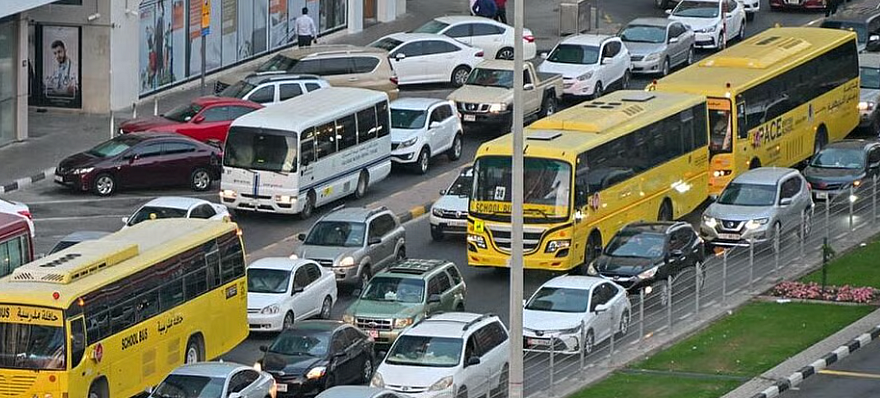
School drop-offs and pick-ups can be stressful, but safety rules are non-negotiable. The golden rule: children always come first.
Key driving rules in school zones:
-
When a school bus stop sign is extended, vehicles must stop at least 5 metres away on both sides. Violations incur Dh1,000 fines and 10 black points.
-
Do not park in spaces reserved for People of Determination.
-
Use only designated drop-off and pick-up zones.
-
Never stop across the road from a school—it forces children to cross unsafely.
-
Keep emergency lanes clear.
-
School zone speed limits are 30–40 km/h.
-
Always follow crossing guards’ signals.
-
Avoid distractions like mobile phones when driving near schools.
-
Tip for parents: Plan routes and leave earlier to avoid risky last-minute driving around school zones.
4. Policies on digital devices
With iPads, smartwatches, and smartphones becoming common, Dubai schools are tightening technology policies to prevent misuse.
-
Primary levels: Many schools are banning smartwatches and smartphones entirely.
-
iPads: Use is limited to lessons. Messaging, gaming, or videos during waiting times or breaks are prohibited.
-
AirTags: Some schools allow parents to use AirTags to track children walking home alone.
-
No iMessaging: Schools prefer communication through official staff or apps.
-
Acceptable use policy: Parents often need to digitally sign agreements to enforce app restrictions during the day.
Headteachers stress that children must learn to balance technology benefits with discipline. Schools warn parents: “There was life before instant messaging.”
-
Tip for parents: Reinforce the school’s digital rules at home. Consistency helps children understand boundaries.

5. Pictures of children on school websites
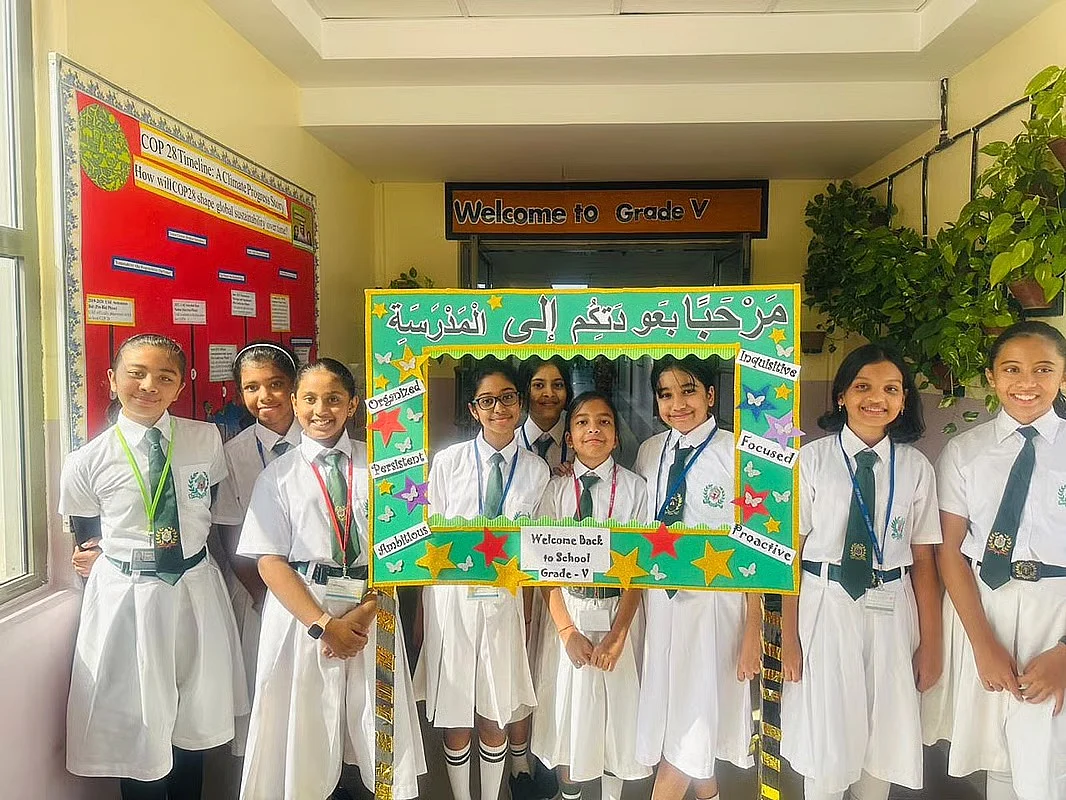
Schools often capture photos and videos of students during lessons, concerts, competitions, and camps. These may be published on websites, social media channels, newsletters, or promotional materials.
-
Parents wishing to opt-out of photo publication must inform the school in writing.
-
Consent is usually managed through the Parent-School Contract or annual opt-out forms.
Tip for parents: If privacy is a concern, verify photo permissions with the school at the start of the year.
Disclaimer: These are general Dubai-wide rules. Schools may have additional or more specific instructions concerning uniforms, punctuality, technology use, and related matters.