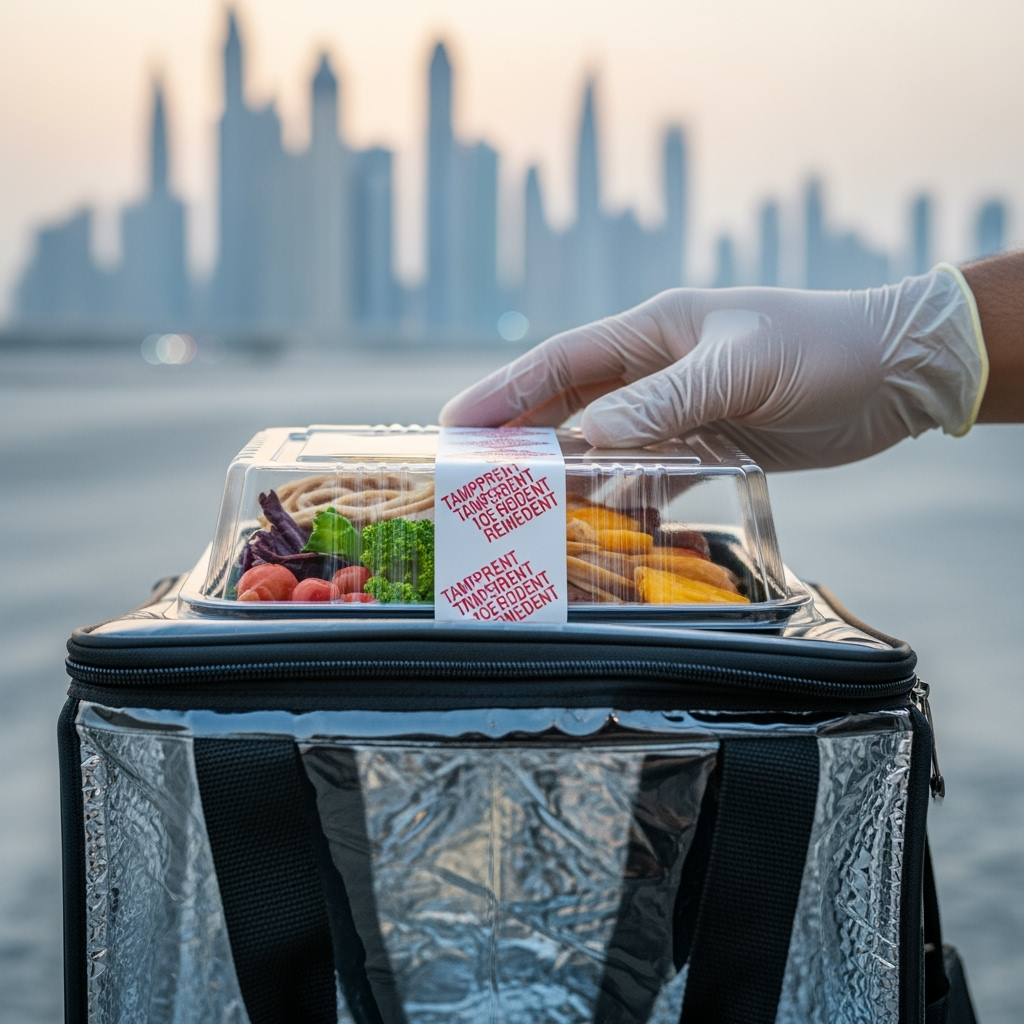
Dubai has implemented new guidelines for online food delivery platforms to remove hidden charges and enhance transparency, aiming to safeguard consumers and elevate industry standards.
The Dubai Corporation for Consumer Protection and Fair Trade (DCCPFT) released these guidelines on Tuesday, mandating online food delivery companies to clearly detail all delivery and service fees, prohibiting any “hidden” charges.
Part of Dubai Economy and Tourism, the DCCPFT outlined this framework to ensure online food delivery companies maintain transparency and fairness, uphold high business standards, and attract more investment in the sector.
Stay informed with the latest updates. Follow KT on WhatsApp Channels.
Key transparency requirements include:
-
Food delivery platforms must use simple, understandable language.
-
Platforms must prominently display all disclosures.
-
Disclosures must be consistent across all platform versions (web, mobile apps, tablets) and operating systems (iOS, Android).
-
Information must not be hidden or omitted, influencing customer decisions.
The guidelines, available on the DET website, state that all fees and commissions must be clearly communicated to customers to prevent confusion. Delivery platforms should provide a detailed charge breakdown before checkout, including food item prices, delivery fees (noting if they vary by location), service/convenience fees, and taxes.
Moreover, there should be no hidden charges, meaning no additional fees should be added post-payment if not disclosed at checkout. Any service fees, surcharges, or pricing changes without prior notice to consumers may violate these guidelines.
‘Exclusive’ terms
The guidelines clarify that ‘exclusive’ should only describe factually accurate items, special deals, discounts, or promotions and must not mislead. The language should be straightforward and clear to consumers, avoiding any ambiguity. Additionally, if these ‘exclusives’ are only available through the platform and not others, it should be clearly stated on the platform.
Subscription-model transparency
Platforms offering subscription models should not transfer benefit costs to restaurants through non-transparent, misleading, or indirect methods such as extra delivery fees, inflated commissions, or bundled service charges.
“The online food delivery sector has seen significant growth in recent years, and we acknowledge the crucial role delivery platforms play in driving the growth and innovation of Dubai’s food and hospitality sector,” said Ahmad Ali Moosa, Director of Fair Trade & Business Protection at DCCPFT.

Ahmad Ali Moosa. Photo: DCCPFT