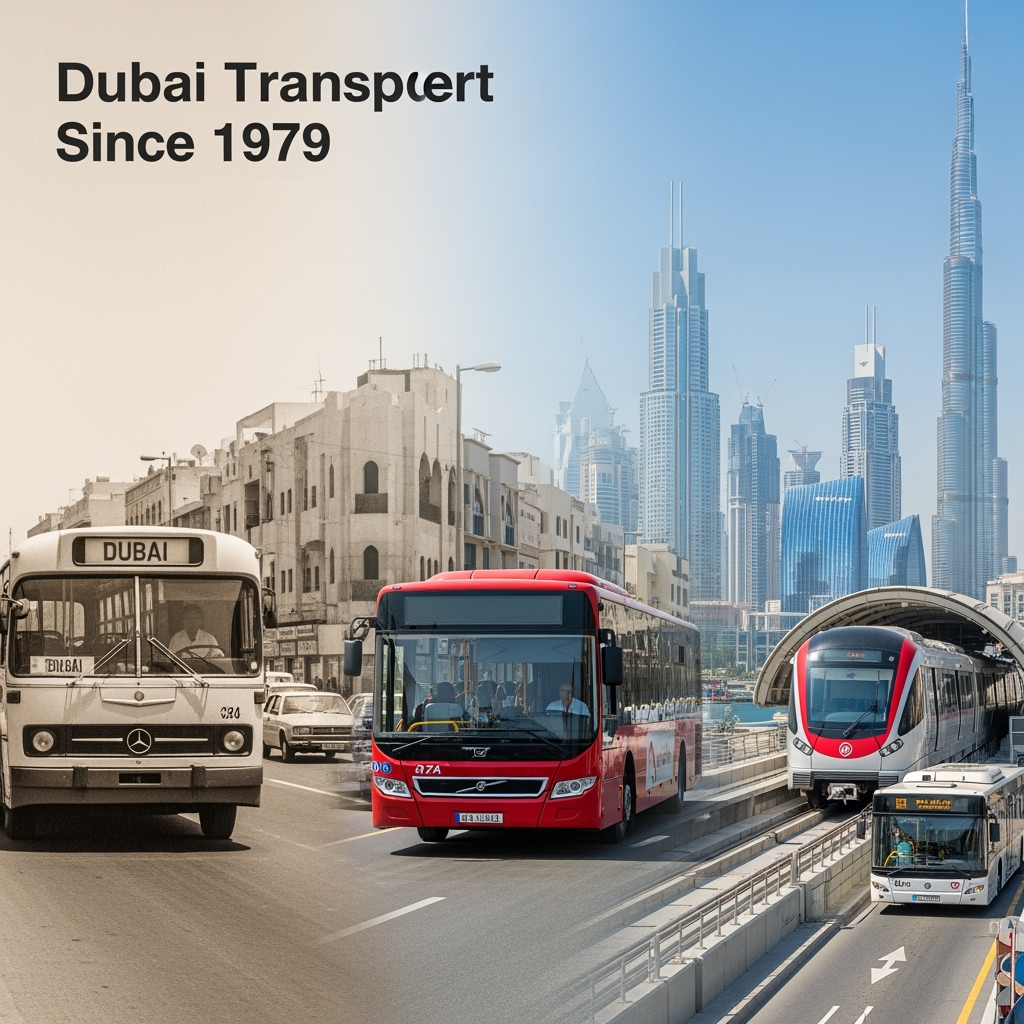
Take a nostalgic journey back 46 years to September 12, 1979. It was a Wednesday when the first of 150 planned municipal bus stops was completed and set up opposite the Dubai Municipality on Al Maktoum Road.
The stop was basic. It lacked a shelter, roof, or benches — just a simple sign stating ‘BUS STOP’ in both Arabic and English, capitalized for clarity. A Khaleej Times photo from nearly half a century ago shows it in black and white, leaving us unsure of the sign’s original color. Yet, it clearly captures a clean, traffic-free road on that bright day.
On the same day, Yusuf Abdul Rahman Murid, the project overseer and civic official, told Khaleej Times that the bus stop installation was “part of a broader initiative to enhance the city’s municipal transport system.” He added, “The aim was to make commuting more convenient, improve accessibility, and meet the growing demand for reliable public transportation in Dubai.”
Stay updated with the latest news by following KT on WhatsApp Channels.
Back in 1979, Dubai’s municipal buses ran on 11 routes, but the fleet’s limited size meant infrequent service, affecting the efficiency and reliability of the public transport system.
“Marking bus stops was the start of a significant effort to upgrade public transportation infrastructure and improve commuter convenience across the city,” he added.
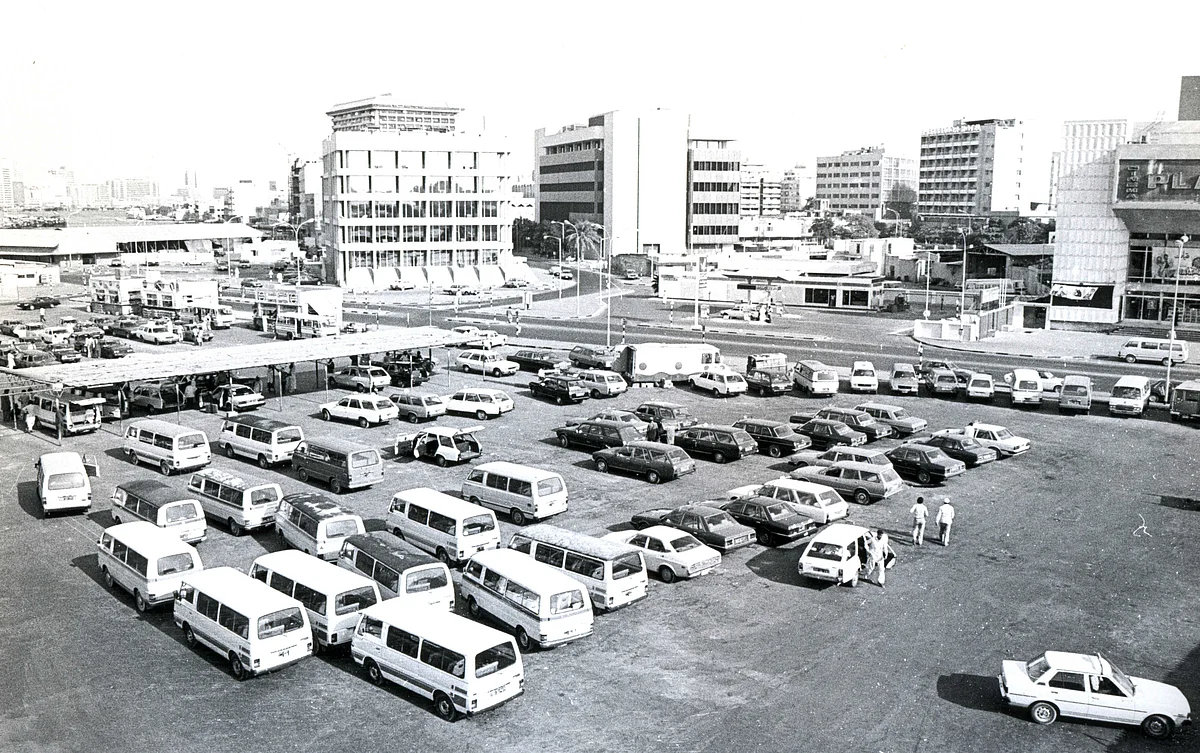
1983. A view of the Bur Dubai Bus Stand near Plaza Cinema, Dubai. KT photo by Shakil Qaiser.
Before these markers, commuters boarded and alighted buses anywhere along the route, especially on longer routes to Al Safa and Satwa, causing delays and trip disruptions.
In those days, Dubai Municipality managed public transport entirely. The Roads and Transport Authority (RTA) wouldn’t be established until 2005, decades later.
Designated bus stops allowed authorities to maintain schedules by preventing random bus stops. By introducing fixed stops, Dubai Municipality enhanced punctuality, reduced travel time, and organized the public transport system.
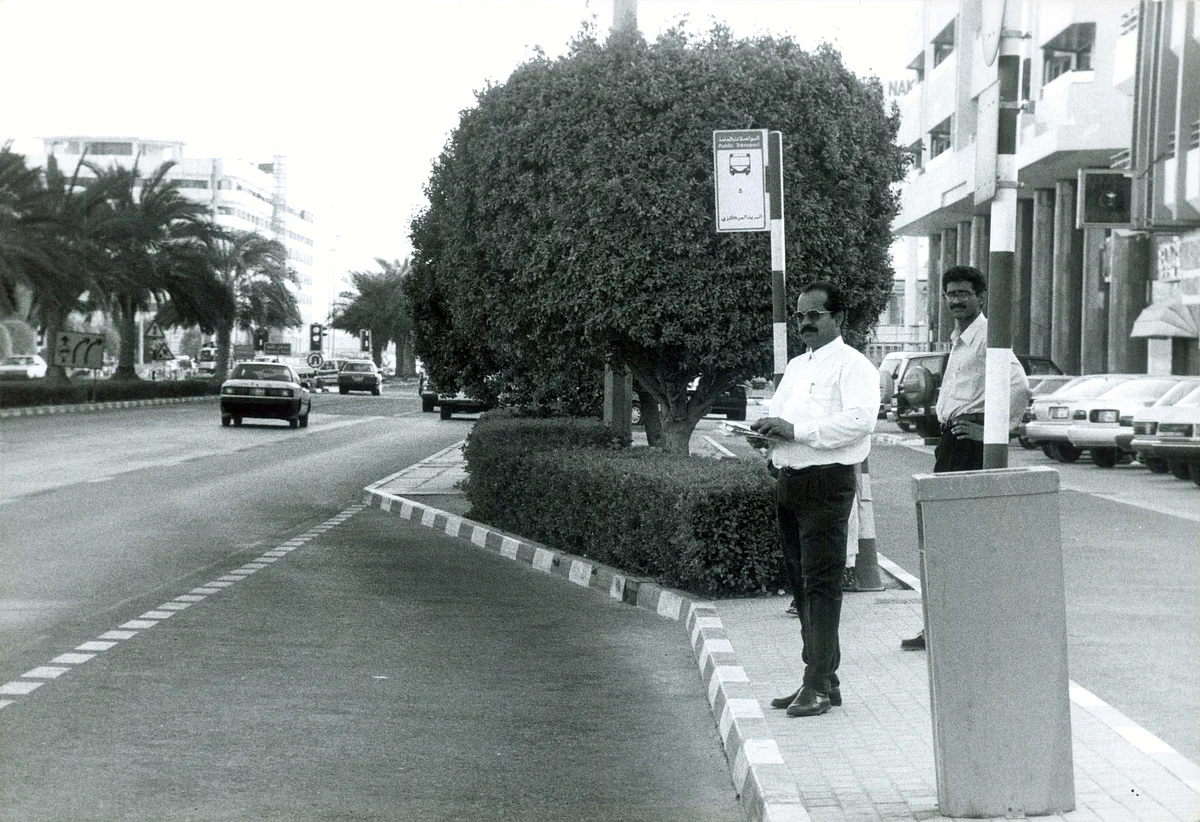
1996. A group of commuters waited patiently at a bus stop in Dubai. Photo: KT Archives.
History of Public Buses
Explore more of Dubai’s public bus history:
-
1968:
Dubbed its first public transport buses in 1968, Dubai introduced four 17-seater minibuses on two routes, linking mainly Asian expatriate areas to Al Sabkha. A single journey cost just 25 fils.
-
1979:
-
The bus fare was set at Dh1, considered affordable and encouraging public transport use among residents. This fair pricing made the bus service accessible to a wide range of passengers.
-
1998:
Inter-city bus services began, connecting Dubai with other emirates like Abu Dhabi, Al Ain, and Sharjah.
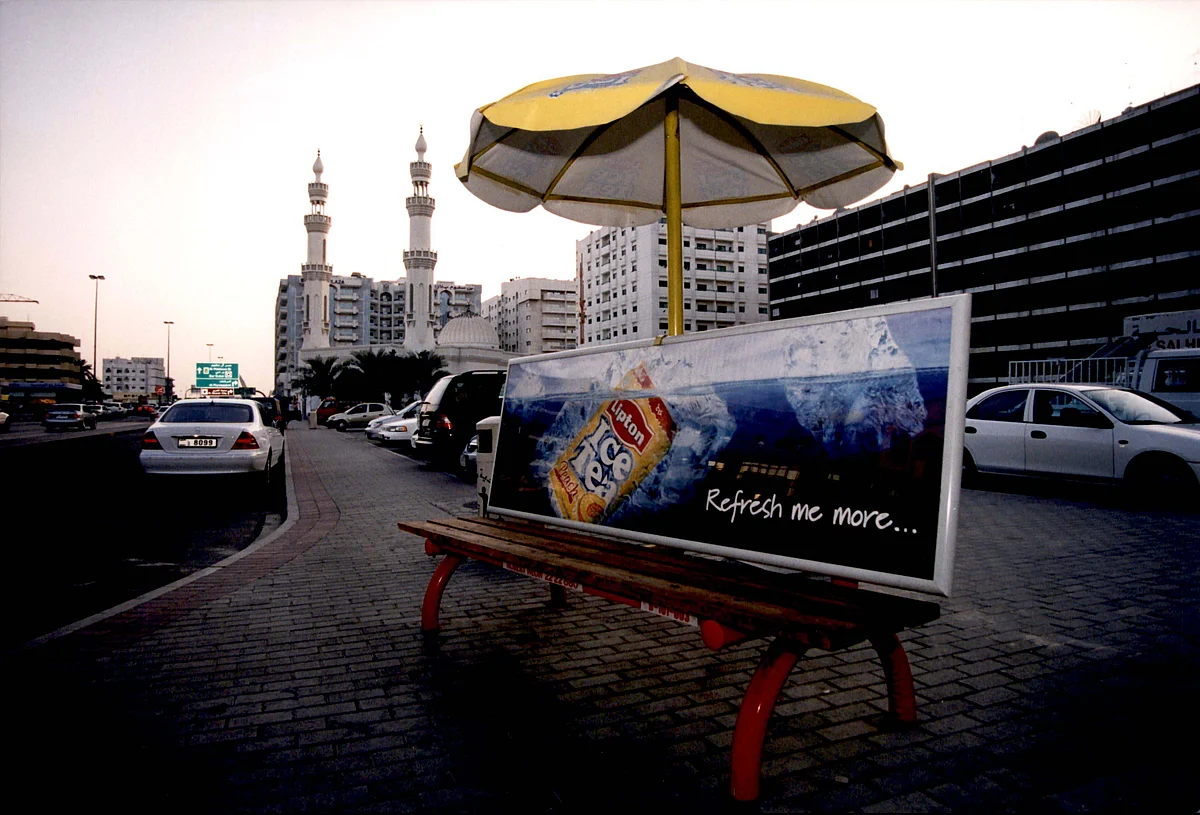
2000. A view of a bus stop with shade, providing shelter to passengers in Dubai. Photo: KT Archives.
-
2005:
The Roads and Transport Authority (RTA) was founded to oversee all transportation and traffic within Dubai. Its creation was a key step towards improving infrastructure, coordinating public transit, and ensuring safer roads for residents and visitors.
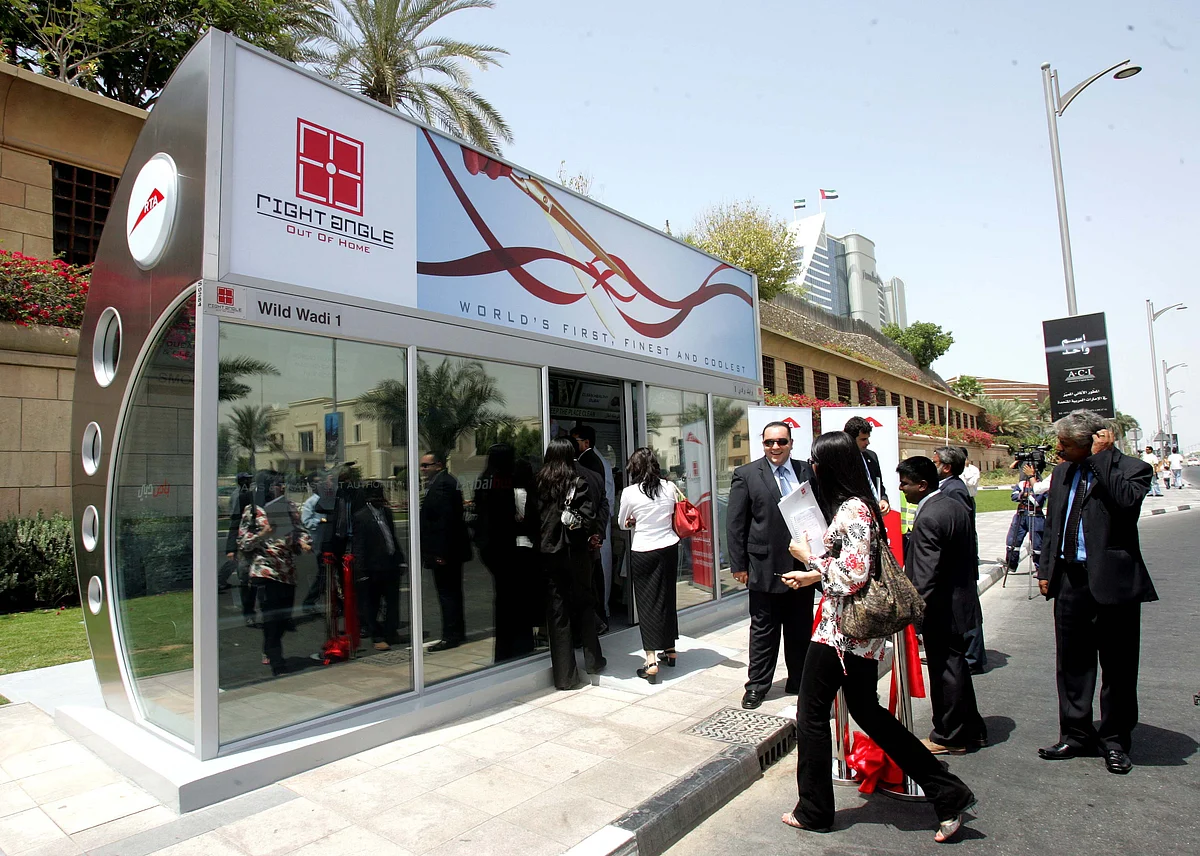
2006. The world’s first air-conditioned bus stop was unveiled. KT Photo by S. Nair.
-
2007:
Articulated buses with pivoting sections debuted on Dubai roads, boosting passenger capacity and public transport efficiency.
-
2008:
-
Double-decker buses started operating in Dubai, enhancing seating capacity and the public transport system.
-
2009:
-
The Palm Jumeirah Monorail services launched, adding significantly to Dubai’s transport network. This innovative system connected the mainland to Palm Jumeirah, offering a scenic commute for residents and tourists.
-
2009:
-
The Dubai Metro Red Line began operations, a major milestone in public transportation development. This rapid transit system was created for fast, efficient travel, easing traffic congestion, and connecting key areas. The Red Line’s launch showcased Dubai’s commitment to sustainable urban mobility and transit infrastructure transformation.
-
2011:
-
The Dubai Metro’s Green Line started operations, expanding the rapid transit network. It improved connectivity by serving key commercial and residential areas previously less accessible by public transport.
-
2014:
-
Dubai Tram services debuted, adding to the public transport network. This modern tram system was designed to complement existing transit options by offering efficient and eco-friendly transport, especially connecting areas like Dubai Marina, Jumeirah Beach Residence, and Al Sufouh.
-
2025:
-
Dubai announced the first successful test flight of an air taxi, ahead of a 2026 rollout.