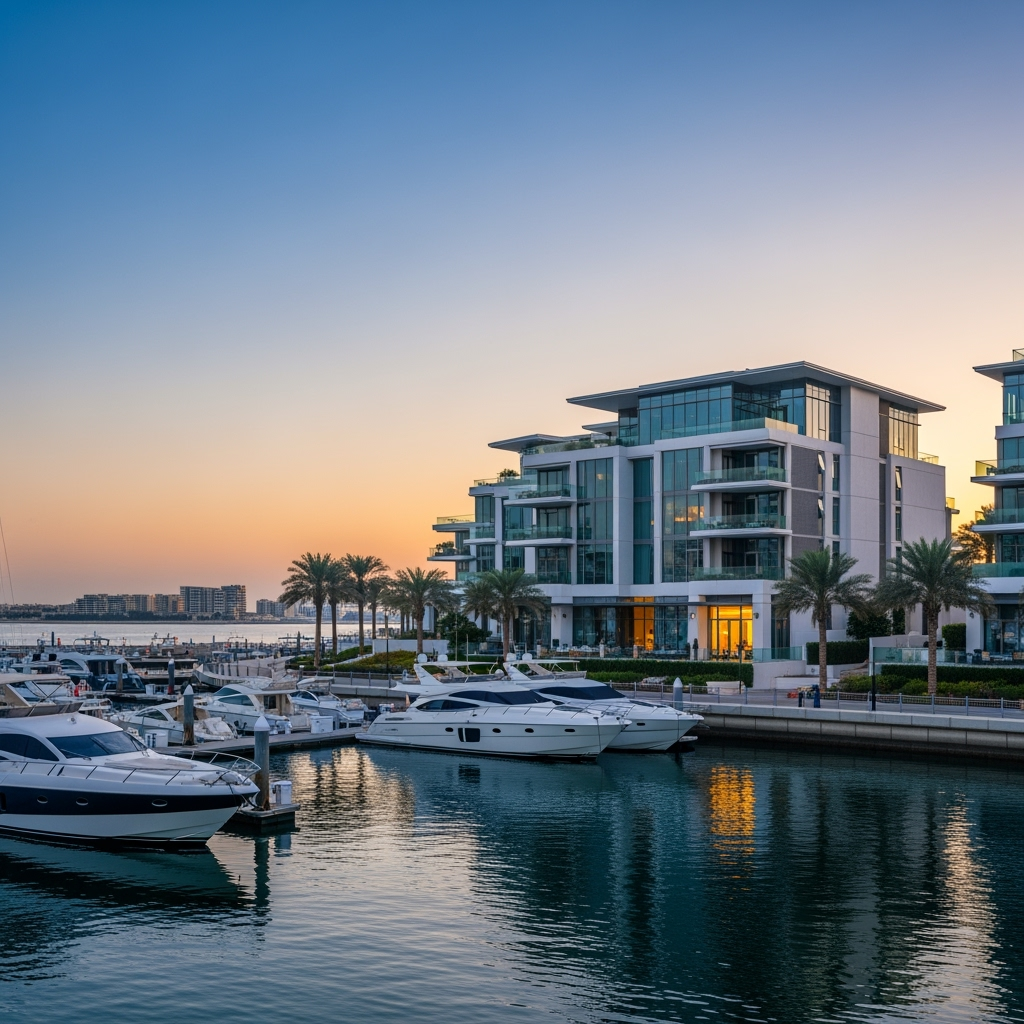
Dubai has long been synonymous with luxury living, drawing global investors who seek more than just real estate. This evolution is most evident along Dubai’s waterfront, where new standards for ultra-prime residences are being set.
For many, owning a waterfront property in Dubai is about more than just possession. It embodies status, lifestyle, and enduring value. Liam Ure, a global property expert at Sotheby’s, describes it as “a unique mix of peace and exclusivity.” Residents enjoy private beaches, sweeping sea views, yacht marinas, and resort-like amenities, all just moments away from the city’s business and leisure centers. “It’s not just about location, but the lifestyle offered: waking to the sound of waves, dining with a water view, and having a perpetual holiday vibe. The experiential value here is unmatched by most inland areas.”
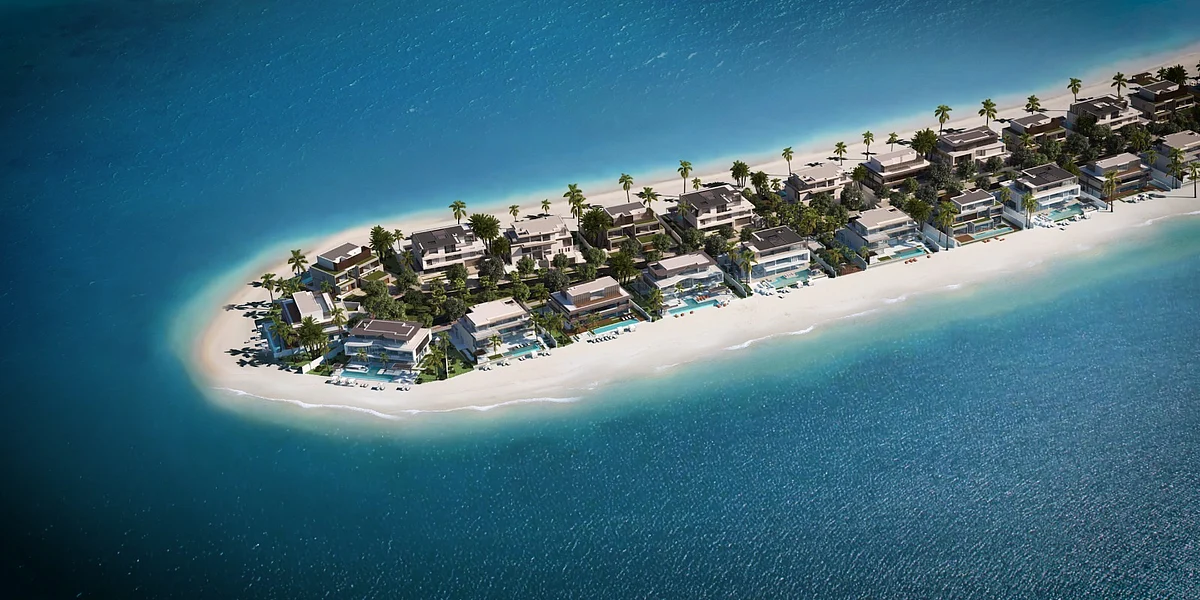
Palm Jumeirah leads Dubai’s waterfront scene, bolstered by limited supply and ongoing global interest. Andrew Cummings of Savills Middle East notes: “Emaar Beachfront in Dubai Harbour has quickly become a key spot for both residents and investors, while Bluewaters Island is desired for its exclusivity and branded residences. Palm Jebel Ali’s strong sales since its relaunch indicate a demand for expansive, master-planned waterfront living.”
Dubai Marina and JBR are also thriving due to their well-established infrastructure and stable rental market. “Interest is growing for Dubai Canal, Peninsula, and Dubai Islands as new projects launch. Savills’ Prime Residential World Cities Index shows Dubai leading global growth, driving demand across these coastal submarkets,” adds Cummings.
Premium pricing
Waterfront properties consistently fetch premium prices—typically 30 to 60 percent higher than similar inland developments. In prime areas like Palm Jumeirah, some villas and branded residences have experienced over 20 percent annual price growth, easily surpassing inland areas. “In Jumeirah Bay Island, average sales prices have soared nearly 53 percent year-on-year,” notes Ure.
Gabriel Tamman of Tribeca Real Estate echoes this sentiment. “Beachfront communities in Dubai are in high demand for both sales and rentals. Established areas like Palm Jumeirah, Jumeirah Bay Island, and La Mer command significant premiums due to their exclusivity and limited supply. On the off-plan side, Dubai Maritime City, Dubai Islands, and Palm Jebel Ali are attracting immense interest from investors and end-users alike.”
For buyers, direct waterfront access can carry a 20-40 percent premium, depending on the development. In apartments, a prime sea view unit can see a 15-25 percent price increase compared to partial or non-sea-facing units in the same building. Tamman adds: “In Jumeirah Bay, a beachfront house might be 50 percent more expensive than a similar waterfront property without beach access. In Port de La Mer, the price difference between sea-view and non-sea-view apartments is notable: the latter trades around mid Dh3 million, while the former goes for around Dh5 million.”
Rise of branded Residences
Top priorities for buyers, according to Ure, include “unobstructed sea views, private beach access, and the prestige of branded residences like Bulgari, Six Senses, One&Only, and The Royal Atlantis.” Marinas and yacht facilities are also popular, especially among affluent buyers. “Developers offering curated lifestyle amenities such as beach clubs, wellness centers, and concierge services see higher interest and absorption rates.”
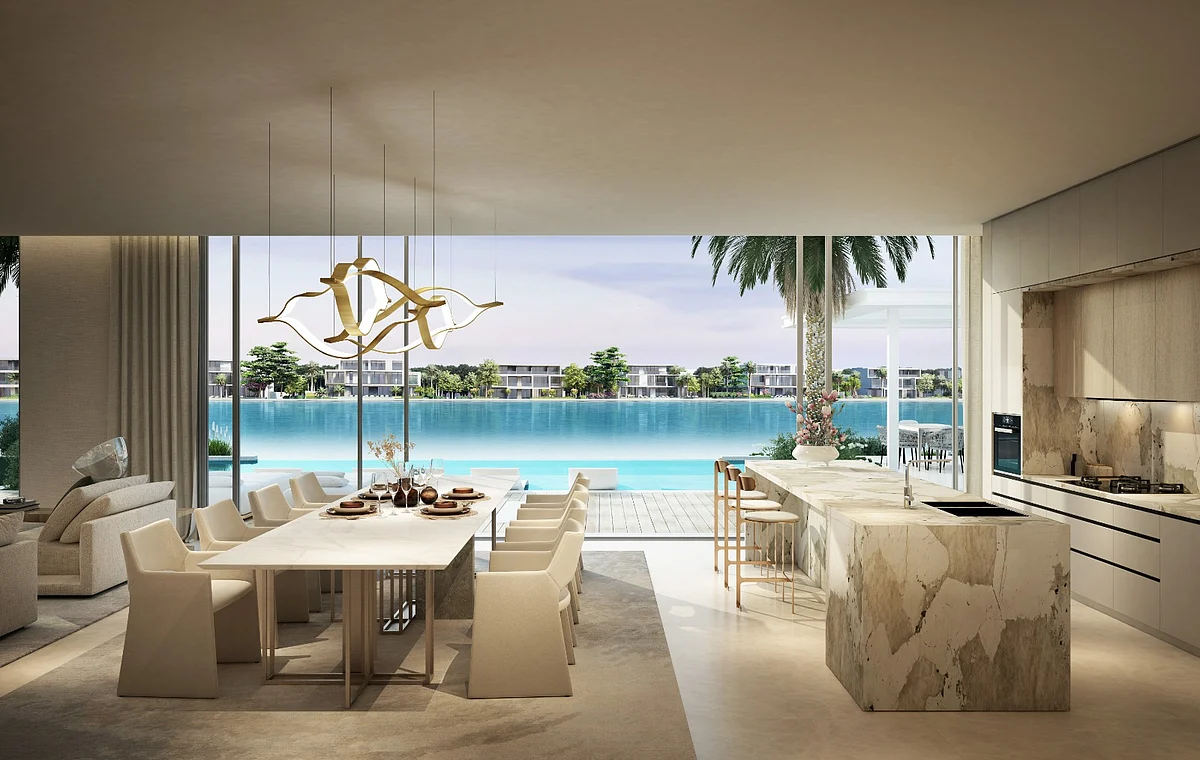
Globally, branded developments sell at a 25-35 percent premium over non-branded properties. In Dubai, this can be even higher, often 25-50 percent, depending on the brand’s strength and amenities offered. “Branded waterfront residences in Dubai consistently achieve higher resale values,” says Farooq Syed, CEO of Springfield Properties. “Projects like Bugatti Residences, Waldorf Astoria Residences Palm Jumeirah, Armani Beach Residences, and Burj Binghatti Jacob & Co. Residences reflect this trend.”
Ure provides a specific example. “Six Senses Residences on Palm Jumeirah has seen significant capital appreciation even before handover. Buyers associate these brands with quality, design, and service, making them safer long-term investments.” Resale values are often 10-20 percent higher than non-branded equivalents in similar locations. “Some units in Six Senses Residences on Palm Jumeirah have increased in value by up to 70 percent since the off-plan price.”
Syed explains the reasons for this premium. “It comes from two main factors: the brand name, which conveys exclusivity and global recognition, and the enhanced specifications and service standards upheld by leading brands. For buyers and investors, branded waterfront residences offer both lifestyle assurance and stronger long-term value retention compared to non-branded properties.”
The next wave
Looking forward, property experts highlight the scale of new developments. “Key projects to monitor include Dubai Harbour—with continuing demand for waterfront homes, projects like Dubai Harbour Residences are launching, making it a hub for investors and new buyers,” says Ure. “Dubai Islands by Nakheel—a transformative project that will redefine Deira’s coastline with branded developments like Omoria Private Residences. Palm Jebel Ali has relaunched, offering the next frontier of ultra-luxury beachfront villas and resorts.”
Cummings concurs. “In Dubai, upcoming completions at Emaar Beachfront, such as Beach Mansion and Beachgate by Address, alongside new launches at Dubai Islands, will play significant roles.” In Ras Al Khaimah, projects like Anantara Mina Residences and the Hard Rock Hotel and Residences are introducing branded beachfront homes with resort-level facilities, private access, and strong international brand appeal.
Syed emphasizes the investment aspect, particularly in waterfront destinations like large masterplans still under development—Palm Jebel Ali, Rashid Yachts & Marina, and Dubai Islands. “Since these communities are not yet complete, investors entering at the off-plan stage are positioned for the strongest capital appreciation as projects progress. History shows that Dubai’s prime waterfronts deliver their highest growth during the build-out phase when early buyers benefit from price escalations as infrastructure, retail, and lifestyle amenities are delivered.”
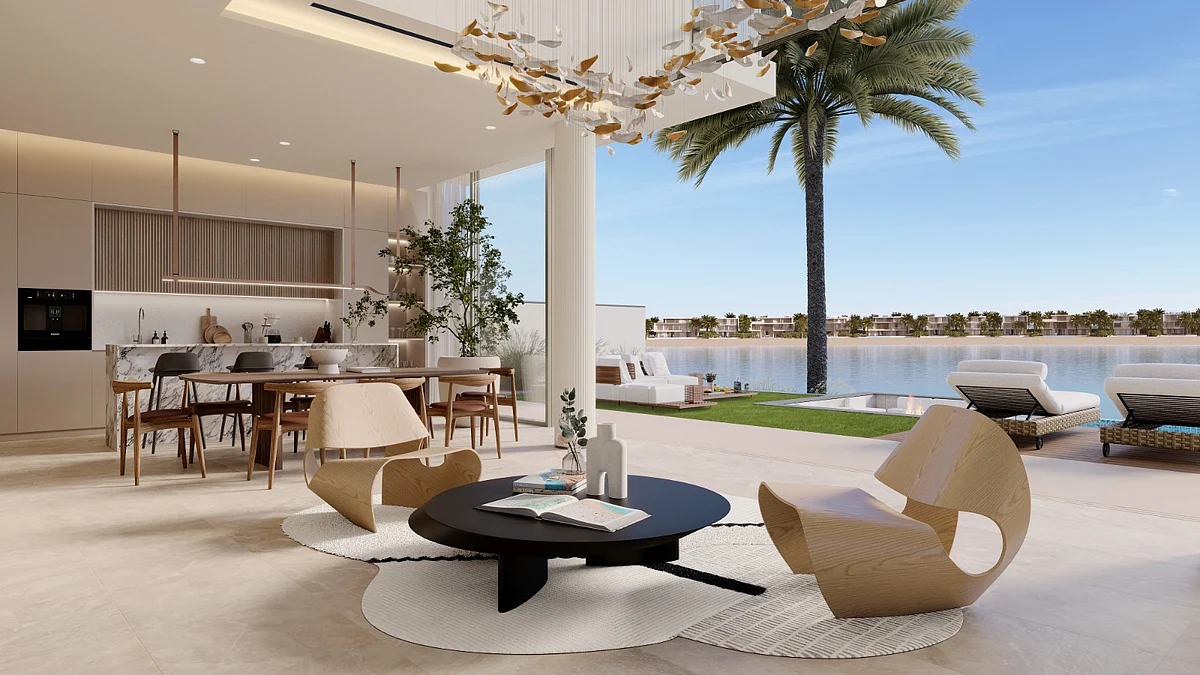
Tamman also sees new opportunities. “Dubai Maritime City is emerging as the new luxury waterfront hub close to Downtown and DIFC, while Palm Jebel Ali is set to redefine scale and family living on the water. Both offer significant potential at various price points, and we’ll see exciting launches in the coming years.”
As Ure concludes: “These projects will strategically expand Dubai’s waterfront supply. While they introduce more inventory, their focus on design, branding, and exclusivity ensures that value will hold.” Emaar Beachfront is already attracting global investors, and Dubai Islands aims to unite luxury hospitality, nature, and residential living. “These developments are setting new benchmarks and elevating expectations in existing communities. Until recently, the desire to live on the beach was mainly fulfilled by Palm Jumeirah. Now, as demand consistently surpasses supply on the Palm, Emaar Beachfront and Dubai Islands are proving to be attractive locations for both investors and end-users.”