Amna Alameri vividly recalls the pivotal phone call that transformed her gaming career. Known to her fans as ‘Moki,’ this Emirati streamer and esports competitor had spent years playing from home alongside her sisters. The call was an invitation to a women-only tournament in Dubai in 2020. “They invited me to join a women’s team,” she remembers. “That was my first foray into team esports. It was the gateway to my broader industry involvement.”
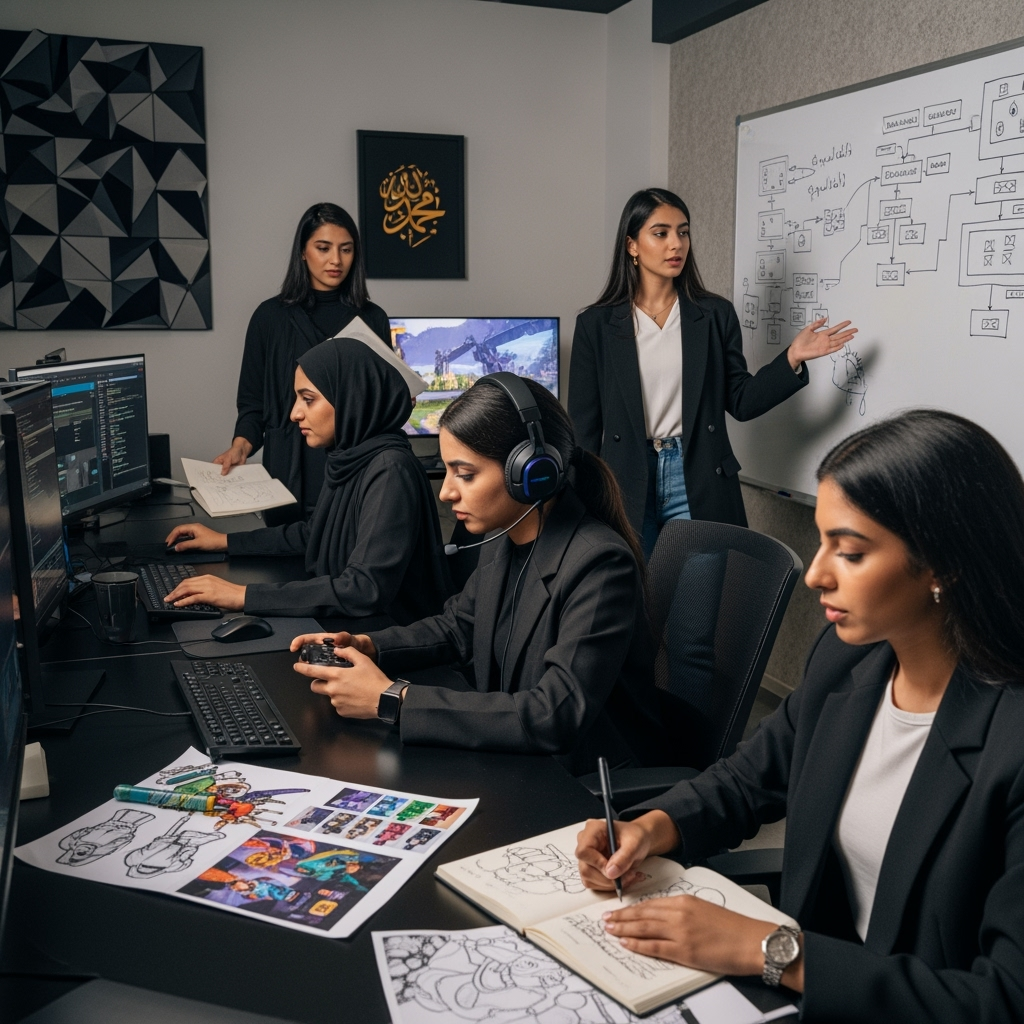
Moki’s story reflects a burgeoning scene in the UAE, where women are emerging not just as participants in a male-centric field, but as athletes, programmers, designers, and community leaders. She chuckles about her household: “We’re all girls, and all gamers.”
Stay informed with the latest updates. Follow KT on WhatsApp Channels.
Today, she juggles training, streaming, and conducting workshops to teach budding players content creation. It’s a demanding routine, especially since competitive gaming in the region is still developing. “Finding teams that offer salaries is tough,” says the 28-year-old. “And there are fewer female tournaments.” Nonetheless, her passion is undeniable: “I conducted workshops to teach people to become content creators,” she notes, as casually as others might discuss cooking classes.
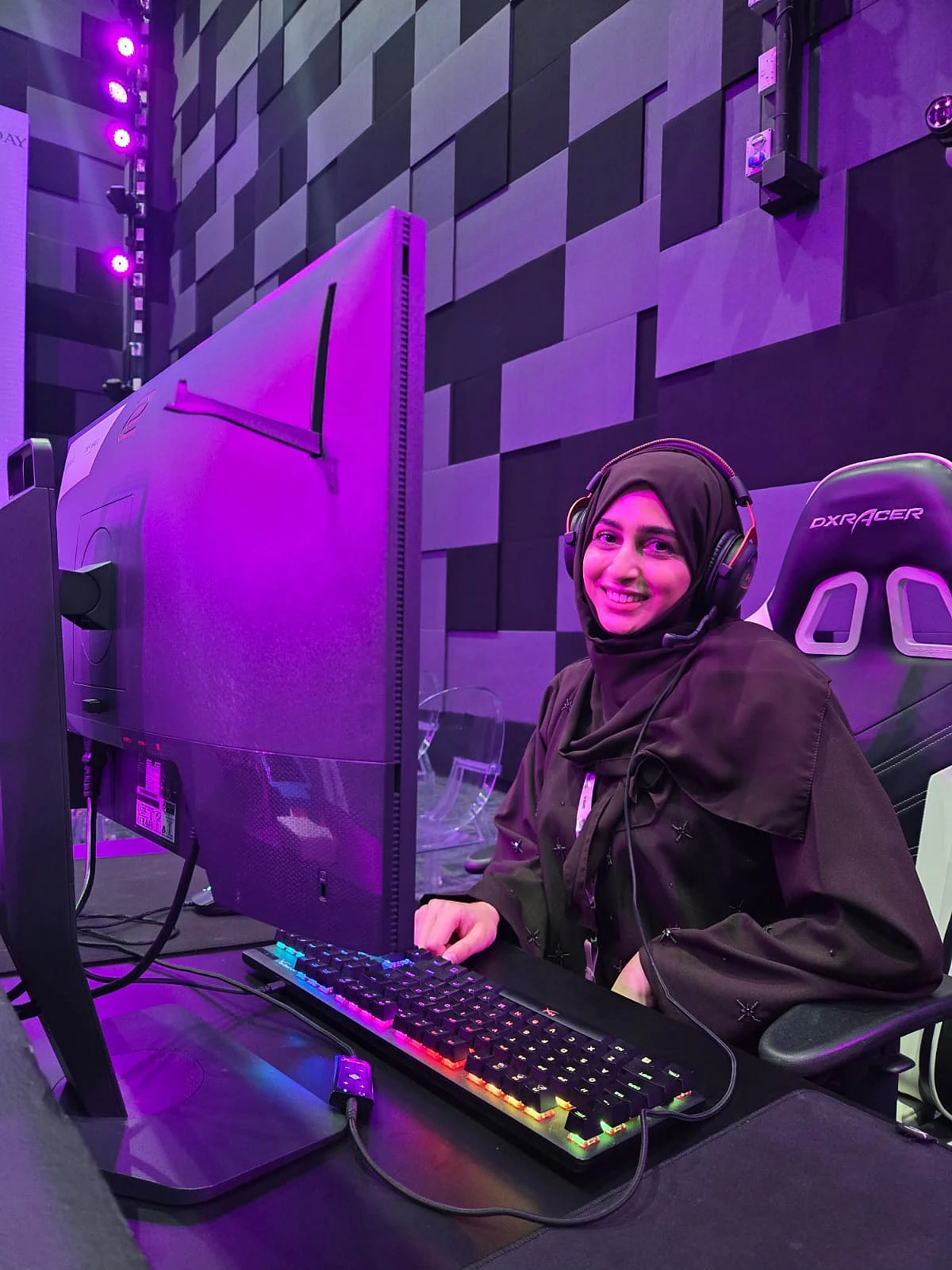
KT Photo: Amna Alameri by Haneen Dajani
Building the Invisible Infrastructure
While players like Moki shine in the spotlight, women like Reem Fakhouri ensure the games run smoothly. An online programmer at Ubisoft Abu Dhabi, the 23-year-old dedicates her days to developing backend systems—the unseen framework of matchmaking, latency management, and player accounts.
“I was always intrigued by how software or websites work behind the scenes, including games,” says Reem, who studied computer science at the University of Waterloo in Canada. “My role mainly involves backend development to ensure games run seamlessly. I love finding solutions that enhance the overall user experience.”
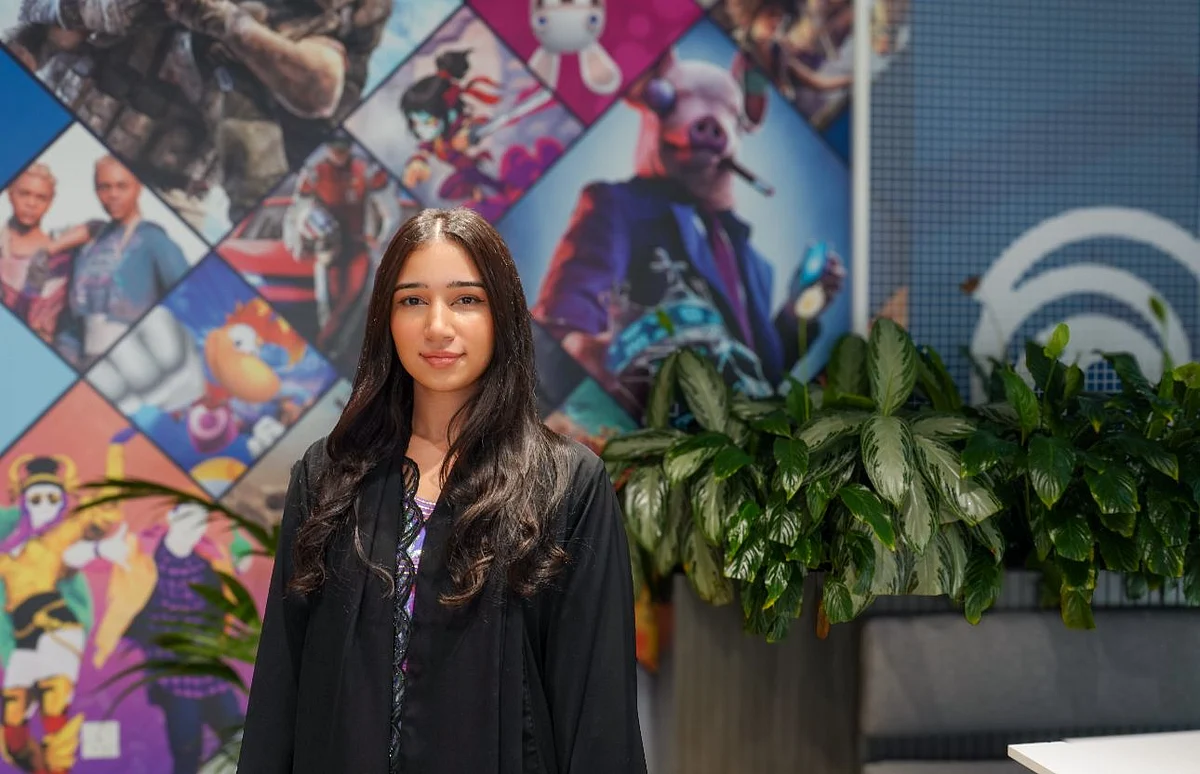
Photo: Reem Fakhouri
She describes her work in terms of scalable systems, solutions capable of managing millions of players simultaneously. Ubisoft’s Abu Dhabi studio, launched in 2011 and employing over 100 people, is a global hub for live operations. The code Reem develops doesn’t just satisfy UAE players; it scales across Ubisoft’s worldwide live games.
Designing Stories that Include Everyone
Aditi Monga, 25, also at Ubisoft Abu Dhabi, approaches gaming from a different perspective. As a game designer with a multimedia background, she is captivated by the dynamic between watching and playing. “Games grant agency to the player,” she says. “It’s not a passive story; you’re part of it.”
For her master’s thesis, she surveyed over 500 gamers on diversity and inclusion. “It’s a behavioral shift,” she explains. “I thought some design changes would be straightforward. In reality, production is challenging, and altering behavior at every step is difficult.”
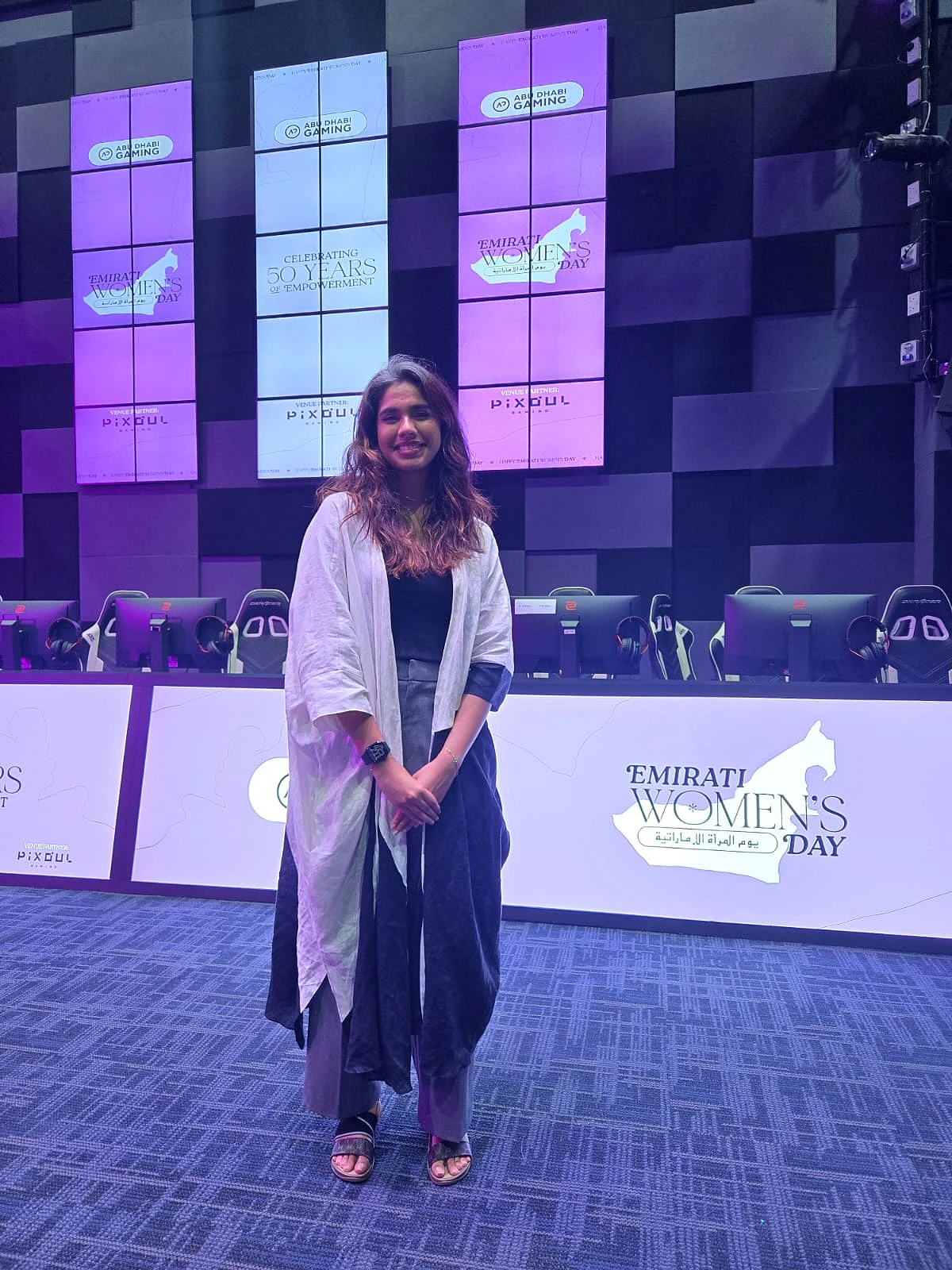
KT Photo: Aditi Monga by Haneen Dajani
She adopts a method-acting approach to design, immersing herself in sports or activities to authentically translate them into games. “If the game involves swimming or diving, I want to accurately understand the movements,” she says. This dedication isn’t without risks: she once injured her leg practicing diving to better design the in-game mechanics.
She also advocates for seasonal content diversity. “Most games focus on Halloween or Christmas,” she says. “But why not celebrate a crescent-moon festival? Our real-life experiences should influence fictional ones.” For MENA gamers, both women and men, that recognition is crucial. According to Newzoo, nearly 37% of MENA gamers are women.
Policy and Pipelines
The objective is to ensure talents like Reem and Aditi are not anomalies, says Aziza Al Ahmadi, Adviser to the Undersecretary at Abu Dhabi’s Department of Culture and Tourism. During an event celebrating female gamers, she emphasized Abu Dhabi’s “clear strategy for women’s involvement in the gaming industry,” with training and university programs already in progress.
Last year, Abu Dhabi University partnered with the French school Rubika to introduce a dual-certified bachelor’s degree in video game design. This program is part of the emirate’s broader AD Gaming initiative, which aims to establish Abu Dhabi as a regional hub for game development.
Taste, Community, and the Long Game
Esteqlal Al Humaidi, Community and PR Manager at NVIDIA GeForce MENA, offers another perspective. She began as a gamer and content creator, producing reviews and voiceovers, before transitioning to industry roles across Kuwait and Dubai. “It’s all about taste,” she says. “A genre’s success depends on the audience. Community engagement is crucial for loyalty.”
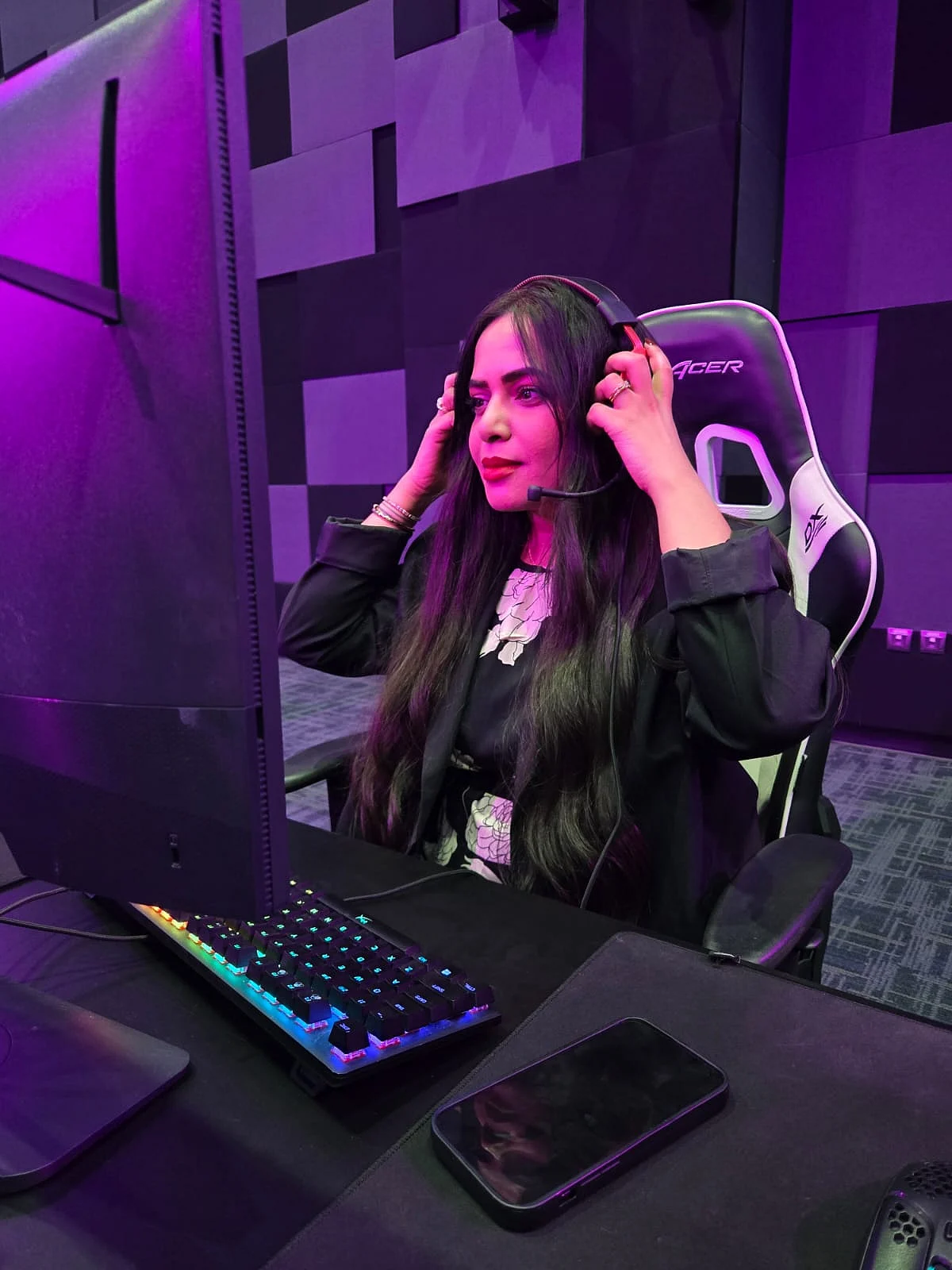
KT Photo: Esteqlal Al Humaidi by Haneen Dajani
Her career highlights a fundamental truth: Gaming in the region transcends studios or tournaments, thriving on the communities that sustain games between releases. For Esteqlal, player feedback is as vital as the technology itself.