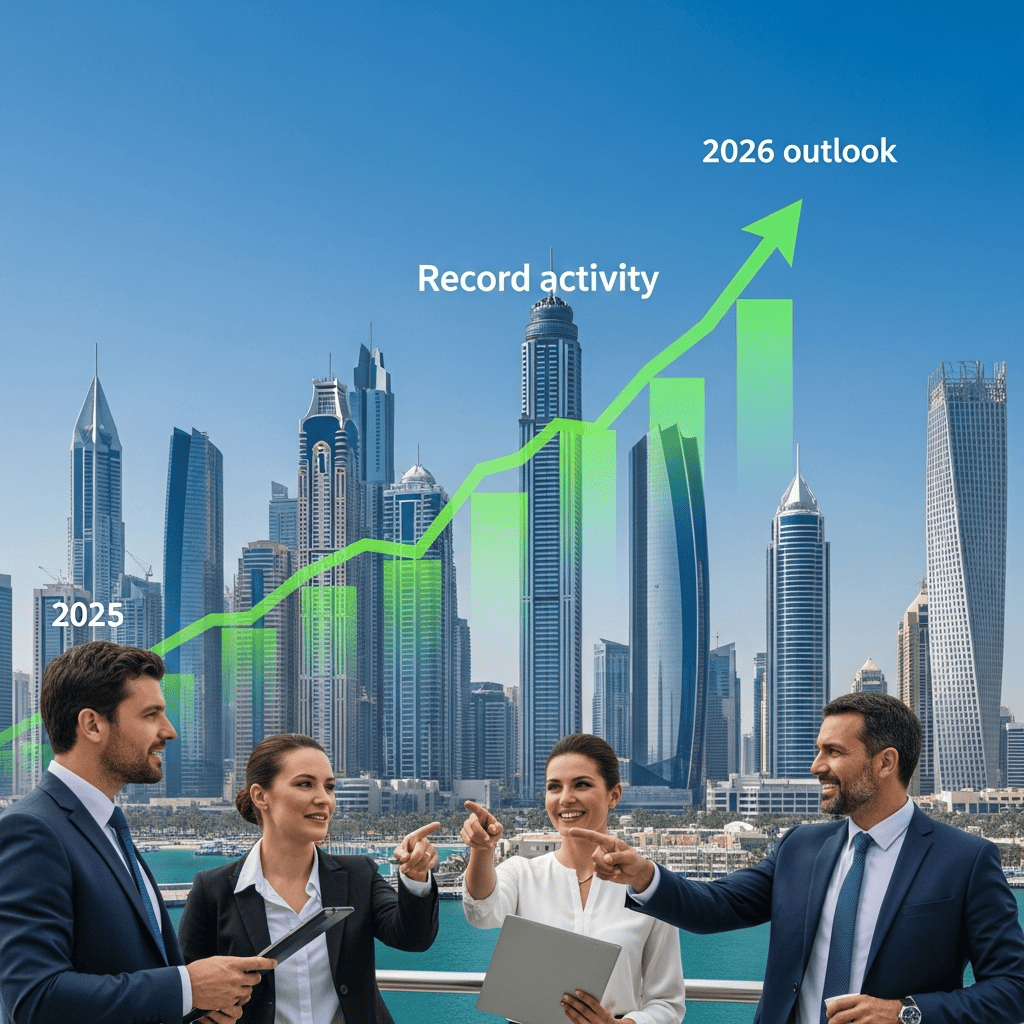
The UAE’s real estate sector is wrapping up 2025 with unprecedented activity, heightened demand, and rising prices across major emirates, even as hints of a market adjustment appear.
Data from CBRE, Colliers, Cavendish Maxwell, Property Finder, and global ratings agencies like Moody’s and Fitch indicate that 2025 was a peak year for transactions and the beginning of a long-awaited normalization.
Looking to 2026, experts anticipate a dual market: robust in prime and ultra-luxury sectors, but more competitive in mid-market apartments as a surge of new homes enters the market. The sector remains strong, buoyed by population growth, economic diversification, and investor inflows, but 2026 is expected to see cooler price growth, more buyer options, and a balanced negotiation environment.
Economic Drivers
The UAE’s economic performance in 2025 fueled the property boom. CBRE notes the economy grew by nearly 4.9%, driven by vigorous non-oil activities, strong tourism, and increased FDI. The UAE PMI held steady at 54.2, indicating healthy private sector growth.
Dubai’s population topped 4 million, with ValuStrat noting around 1,000 new residents daily in the first quarter alone. This population pressure sustained housing demand even as mortgage rates rose. Meanwhile, the UAE’s reputation as a global safe haven attracted over 9,800 millionaires in 2025 (Henley & Partners), bolstering the luxury market in Dubai and Abu Dhabi.
Dubai’s Residential Growth
Cavendish Maxwell reports about 55,300 residential transactions in Dubai in Q3 2025, up 17.1% year-on-year, while Property Finder cites a Q3 total of 59,044, the highest in history. Off-plan dominated with 76% of activity, driven by flexible payment plans and interest in early-stage projects.
Sales prices rose 16% annually, with some hotspots exceeding 20%. However, the ready market showed slight softening, with Q3 ready transactions down 5.4% quarter-on-quarter. Cavendish Maxwell attributes this to price sensitivity and more rational buying after two years of aggressive gains.
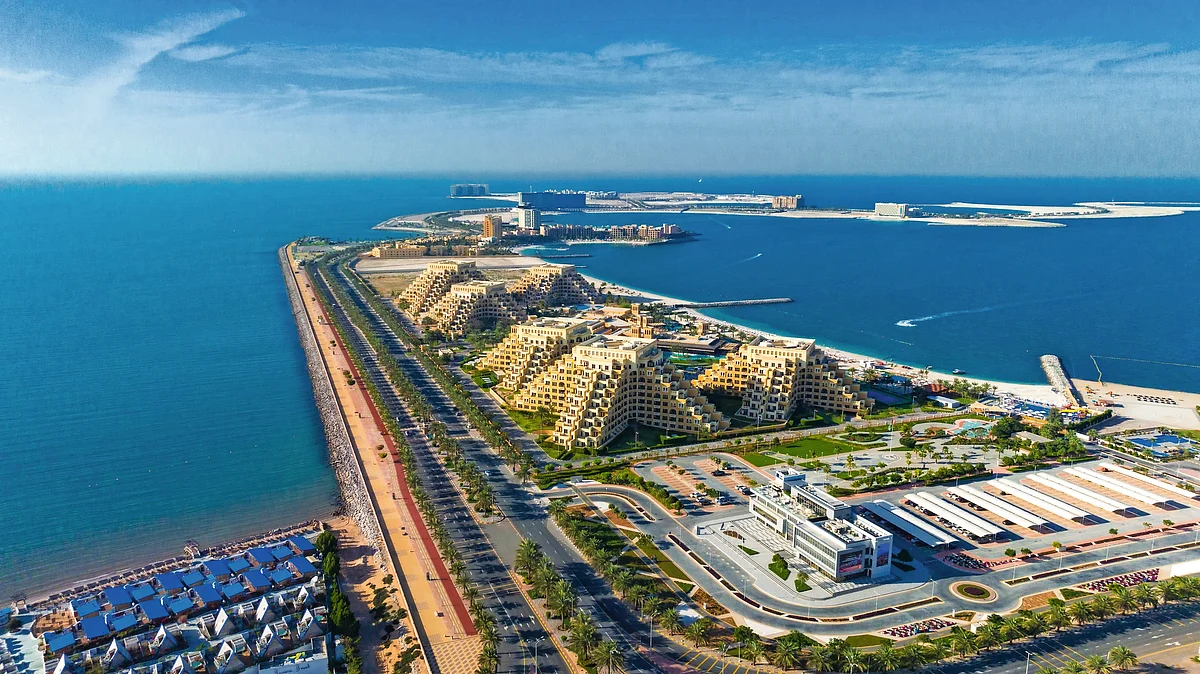
The Northern Emirates, especially Ras Al Khaimah and Sharjah, had one of their most active years in a decade.
Deliveries accelerated but didn’t meet projections — 9,400 units were completed in Q3 against an expected 22,800. Construction cycles shortened from 1,340 days in 2023 to about 880 days in 2025, indicating greater efficiency. However, the larger story is the massive pipeline ahead: from 2025 to 2028, approximately 366,000 units are expected, with Moody’s and Fitch estimating 150,000–250,000 homes arriving between 2025 and 2027 alone.
Fitch warns that the disparity between a 16% projected supply growth and only 5% population growth could cool the market, though any adjustment is expected to be orderly, capped at about 15%.
Dubai Rental Trends
Colliers reports apartment rents rose 2% quarter-on-quarter in Q3, while villa rents increased 4% year-on-year. However, rental growth has eased from peaks above 20% in 2024, stabilizing closer to 8–12%. Tenants facing affordability issues are increasingly looking to buy: surveys show 55% of residents plan to purchase within three years, double the figure in 2024. This shift is expected to intensify in 2026 as new supply eases rental pressures.
Dubai Office Market Strength
Data from CBRE and Cavendish Maxwell highlight one of Dubai’s strongest commercial cycles. Office occupancy is around 94%, with prime areas like DIFC, d3, and DMCC remaining undersupplied. Q3 office transactions rose nearly 40% year-on-year, with values increasing by 87%, mainly driven by off-plan sales.
Prices grew 25% annually and rents 29%, supported by the addition of 53,000 new companies to the Dubai Chamber of Commerce in the first nine months alone. While around 1.1 million sqm of office space is due between 2027–28, analysts expect 2026 to remain favorable to landlords due to ongoing shortages.
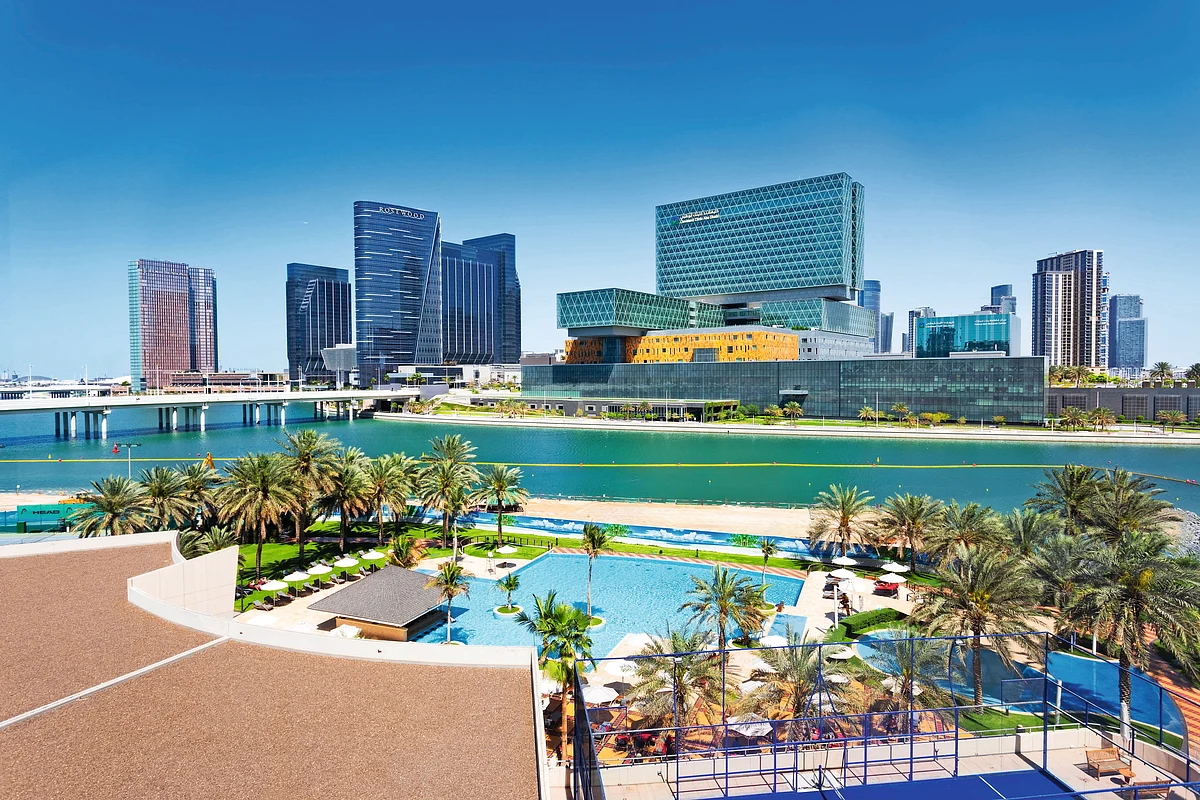
Al Reem Island, Saadiyat, and Al Raha Beach remain high-demand areas for both investors and end-users.
Abu Dhabi’s Momentum
Abu Dhabi’s 2025 was transformative. Property Finder reports 7,154 transactions in Q3, a 76% annual leap — the highest in the emirate’s history. Off-plan made up 73% of activity, boosted by mega-projects at Fahid Island and Al Hidayriyyat. Off-plan apartment values surged 276%, while duplexes soared 424%. Colliers notes strong rental growth: apartment rents rose 13% year-on-year, villas up to 11%. Grade A offices in ADGM on Al Maryah Island neared full occupancy, with fitted space exceeding Dh3,000 per sqm.
The ready market also strengthened, with values rising 71% year-on-year. Al Reem Island, Saadiyat, and Al Raha Beach maintained their status as high-demand clusters for investors and end-users.
Northern Emirates Rise
The Northern Emirates, notably Ras Al Khaimah and Sharjah, experienced one of their most active years in a decade. According to Colliers, over 13,000 units were launched in Q3 across the region. RAK’s coastal areas posted 5% quarterly rental growth, supported by relocations from Dubai and tourism-linked demand. RAK apartment prices rose 18% year-on-year, while Sharjah’s grew 12%. Investor sentiment continues to strengthen with developments along Al Marjan Island, buoyed by anticipation around the upcoming Wynn Resort, attracting strong global capital, particularly through projects like Miraggio by Source of Fate.
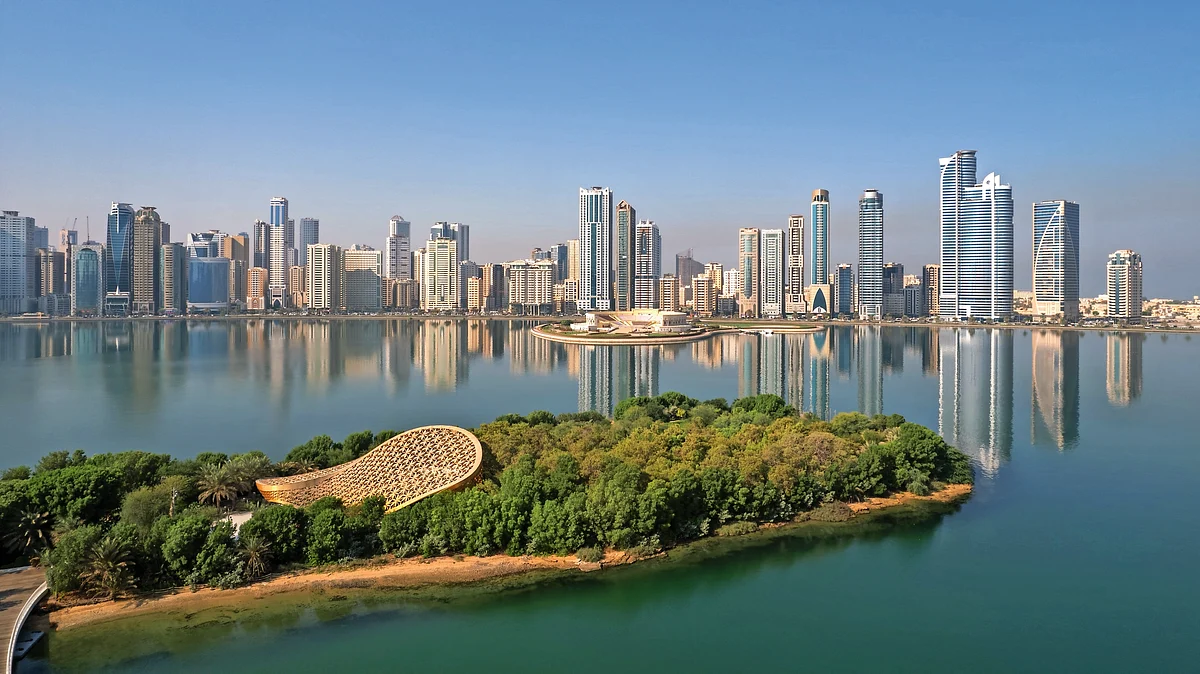
Apartment prices in Sharjah rose 12% in Q3.
Luxury Market Boom
High-net-worth migration continues to elevate the UAE’s luxury market. Ultra-prime villa and waterfront communities in Dubai, such as Palm Jumeirah and Dubai Hills Estate, saw 15–30% annual growth in 2025, according to Cavendish Maxwell.
Developers are responding with bold luxury launches: Sunteck Realty entered Dubai with a Dh5 billion Downtown project, while branded residences remain one of the fastest-growing categories in Dubai and Abu Dhabi. Ras Al Khaimah’s high-end coastal offerings are becoming increasingly competitive globally, evidenced by Miraggio’s 80% international buyer share.
Hospitality and Retail Growth
CBRE notes the UAE is on track for 27.6 million visitors in 2025. Occupancy rates in Dubai and Abu Dhabi averaged 79%, while UAE-wide RevPAR increased 12%. Abu Dhabi’s hotel revenues climbed nearly 19%. The hospitality surge continues to support residential and retail demand, particularly in short-stay and holiday-home segments.
Retail remained near capacity. CBRE reports occupancy at 97% in Dubai and 95% in Abu Dhabi, with rents rising 5.3% and 3.3%, respectively. New global brand openings reflect confidence in long-term consumer spending and sustained tourism.
The UAE’s industrial and logistics sector performed robustly in 2025. CBRE highlights rent growth of 18% in Dubai and 12% in Abu Dhabi, driven by data-center expansion, manufacturing activity, and strategic warehousing demand. New large-scale facilities are planned from 2026 onward, suggesting continued momentum.
Developer Stability
A key feature of this cycle is developer resilience. Fitch reports that leverage among major UAE developers dropped from nearly 5x equity to 1.4x, while combined profits among the top six exceeded Dh46 billion in 2024. Emaar’s order book alone reached Dh129 billion.
With escrow rules and phased launches now standard, project delivery risk is significantly lower than in past cycles — a foundation that strengthens the 2026 outlook.
Moderation Ahead
Prices are expected to stabilize as the new supply wave peaks. Fitch sees potential price softening of up to 15%, mainly in mid-market apartments.
Ultra-luxury villas, branded residences, and waterfront assets are likely to outperform, supported by sustained HNW migration and limited supply.
Increased Buyer Options
With 2026–27 expected to deliver the largest batch of homes in two decades, end-users will gain negotiating power, easing affordability constraints.
Transaction transparency, digital platforms like DARI, and stricter launch requirements will help create a more predictable and institutionally attractive market.
Sustained International Demand
Foreign and corporate relocations will keep Dubai and Abu Dhabi among the world’s most attractive property destinations in 2026.
Redefining Balance
The UAE enters 2026 from a position of strength. Dubai and Abu Dhabi continue to attract global capital, multinational businesses, and skilled professionals, while the Northern Emirates expand their investment horizons through tourism, affordability, and large-scale masterplans.
As most experts predict, the coming year will not replicate the hyper-growth of 2022–24. Analysts from Colliers, CBRE, Cavendish Maxwell, Property Finder, Moody’s, and Fitch anticipate a more mature cycle — characterized by better balance, improved affordability, and a deeper alignment between supply and demand. For investors, end-users, and developers, the UAE remains one of the world’s most compelling real estate ecosystems — entering its next chapter with confidence, clarity, and long-term potential.