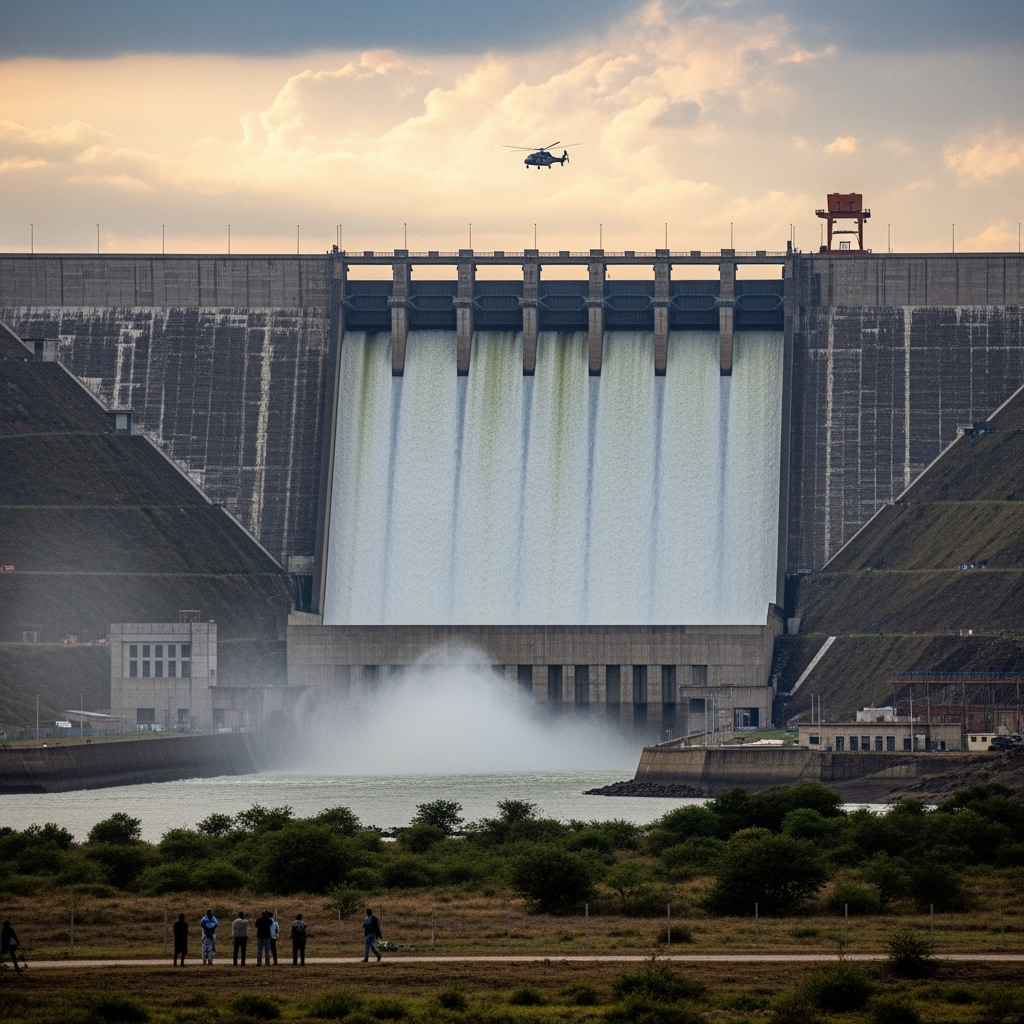
On Tuesday, Ethiopia officially opens Africa’s largest hydroelectric dam, a significant project aimed at providing energy to millions while intensifying tensions with downstream Egypt, unsettling the region.
As Africa’s second most populous nation with 120 million residents, Ethiopia views the $5 billion Grand Ethiopian Renaissance Dam (GERD), located on a Nile tributary, as vital for its economic growth aspirations.
Initiated in 2011, the dam’s power capacity is projected to increase to 5,150 MW from the current 750 MW produced by its two operational turbines.
Stay informed with the latest updates. Follow KT on WhatsApp Channels.
Prime Minister Abiy Ahmed stated that the energy will enhance electricity access for Ethiopians and enable power exports to neighboring regions.
‘Blowing up that dam’
Downstream neighbors have viewed the dam’s progress with concern.
Egypt, which constructed the Aswan High Dam on the Nile in the 1960s, worries that GERD could limit its water supply during droughts and encourage the construction of more upstream dams.
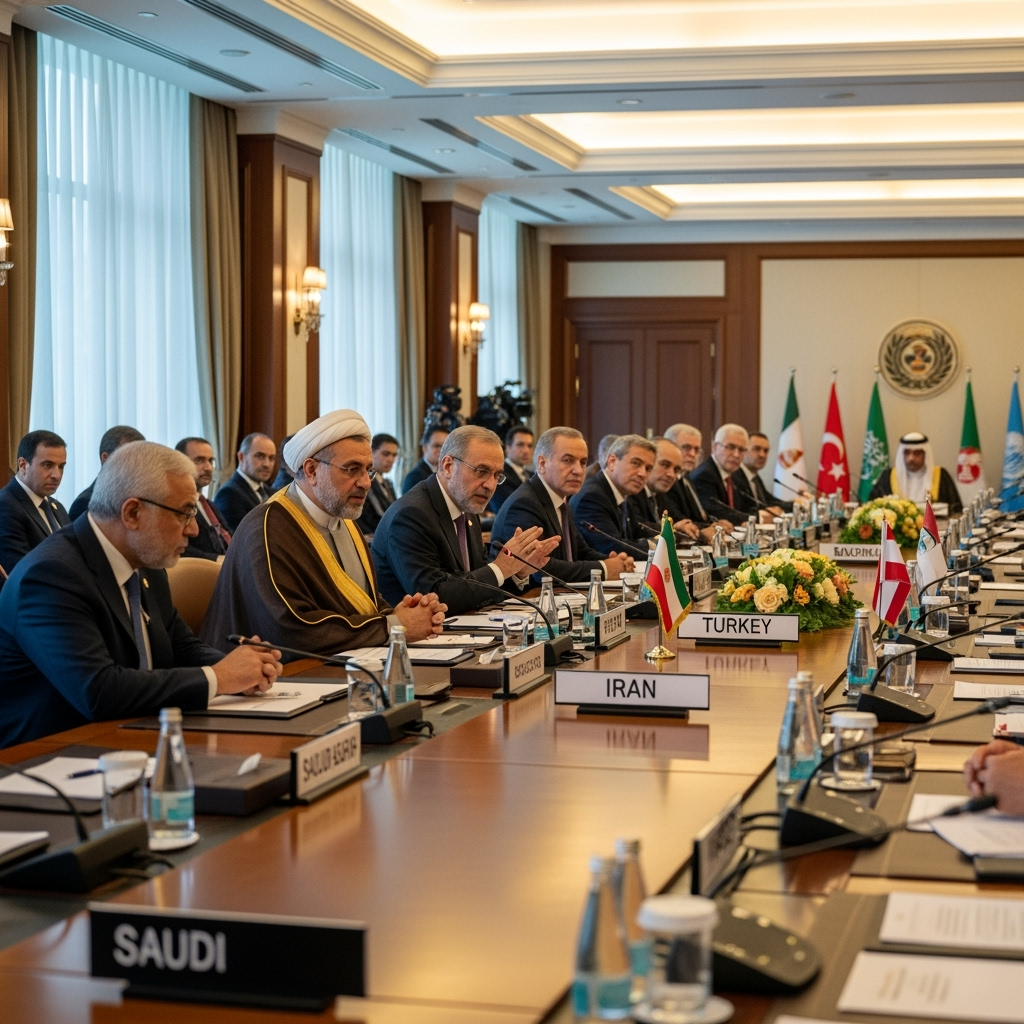
Egypt has strongly opposed the dam from the beginning, claiming it breaches colonial-era water treaties and poses an existential threat.
Relying on the Nile for approximately 90% of its fresh water, Egypt, with a population of 108 million, remains vigilant.
Egypt will closely observe developments on the Blue Nile and “exercise its right to take all necessary measures to protect the interests of its people,” said Egyptian Foreign Ministry spokesperson Tamim Khallaf to Reuters on Monday.
Sudan has echoed Egypt’s demands for legally binding agreements on the dam’s operation and filling but could gain from improved flood control and affordable energy.
US President Donald Trump previously supported Egypt’s stance, warning of the potential danger and hinting that Cairo might “blow up that dam,” though his administration couldn’t broker a deal after prolonged negotiations.
‘Shared opportunity’
Ethiopia, asserting its sovereign rights, continues with the project. In 2020, it began phased reservoir filling, claiming the dam won’t significantly harm downstream nations.
“The Renaissance Dam is a shared opportunity, not a threat,” said Abiy to parliament in July. “Its energy and development benefits extend beyond Ethiopia.”
Research indicates no significant disruptions to downstream water flow so far, thanks to favorable rainfall and careful reservoir filling over five years during wet seasons.
In Ethiopia, amidst years of internal ethnic conflicts, the GERD has become a symbol of national unity, according to Magnus Taylor from the International Crisis Group.
“The notion that Ethiopia can construct a dam within its territory without external pressure resonates with most Ethiopians,” he added.
The project was financed 91% by Ethiopia’s central bank, and 9% through bonds and donations from Ethiopians, with no foreign funding, as local media reports.
Flooding areas larger than Greater London
The dam’s reservoir has submerged an area bigger than Greater London, with the government claiming it will supply consistent water for hydropower and irrigation downstream while mitigating floods and droughts.
However, rural Ethiopians might wait longer to see benefits from the additional power, as only about half are connected to the national grid.
Though relations with Egypt over the dam have worsened in the past year, there’s potential for further deterioration, said Matt Bryden from Sahan Research.
Landlocked Ethiopia’s attempts to access the sea through Eritrea or Somalia have led Egypt to support Asmara and Mogadishu.
The idea of Egypt controlling both Nile water usage and Red Sea access is unacceptable to Addis Ababa, Bryden noted.