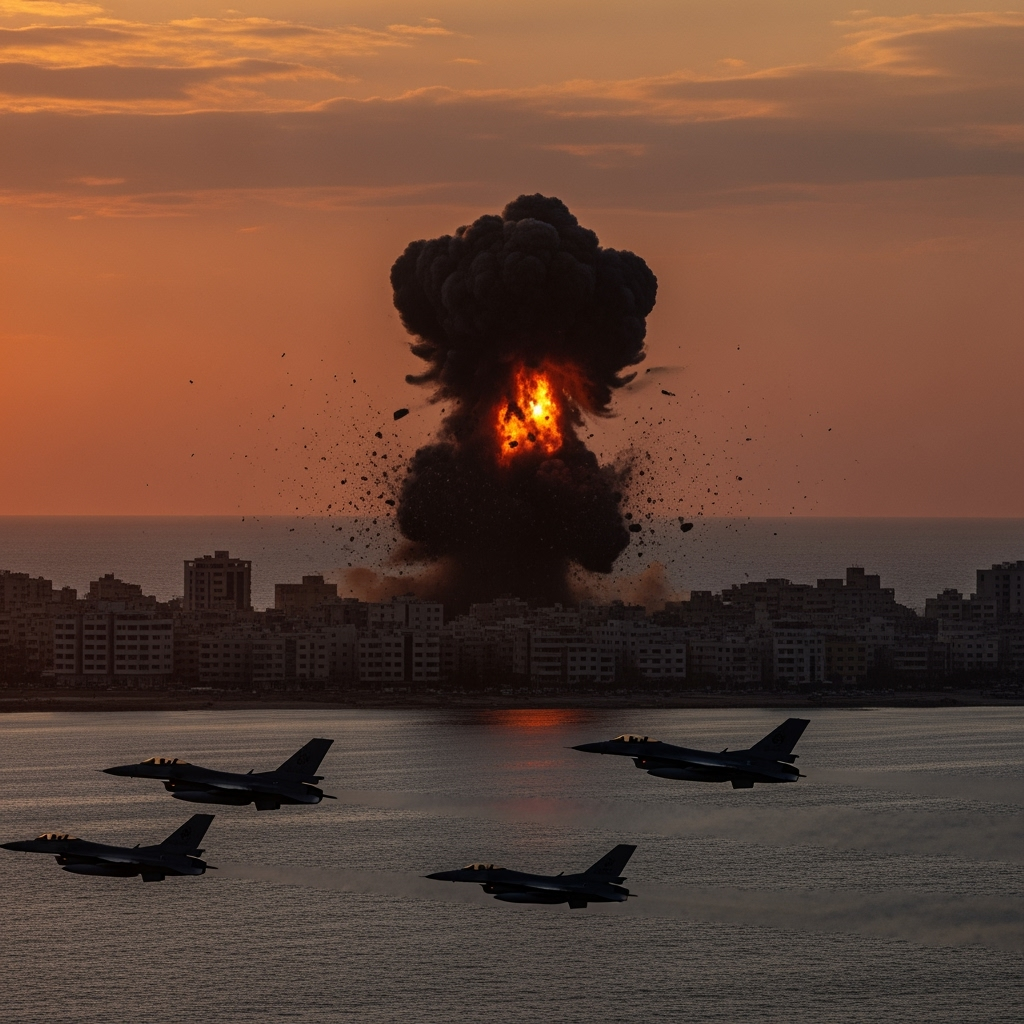
The explosions resulted in the death of 8 people, including a child, and injured about 3,000 others, including the Iranian ambassador in Beirut. Many sources agree that Israel is behind the incident.
The ‘pager’ is an old communication device that appeared in the 1960s. It relies on short radio signals to notify users and was common before mobile phones among doctors and emergency services. It was also used militarily and in security. Despite its outdated technology, some organizations still rely on it because it is not internet-connected and is less susceptible to hacking.
The party resorts to the pager as a ‘relatively safe’ means against digital eavesdropping attempts, away from the easily hacked smartphones. Thus, the device remains present as a means of internal communication within the party.
There are several hypotheses about the mechanism. One suggests chips planted in the new devices were activated by waves from Israeli drones, causing the batteries to explode. Other accounts talk about malware that caused the batteries to overheat until they exploded. Notably, most of the targeted devices were part of a new shipment imported by the party.
The declared goal of the operation was to paralyze the main combat capabilities of the resistance factions, which was partially achieved. The subsequent escalation came through the assassination of the Secretary-General of the Lebanese Hezbollah, Hassan Nasrallah.
The Hungarian office for the protection of the constitution confirmed investigations into the manufacturing or modification of the pagers that exploded in Lebanon. This comes after the Taiwanese company ‘Gold Apollo’ produced those devices, stating that the batch that exploded was manufactured under a license from ‘BAC Consulting’ in Budapest.
The highest number of injuries was in southern Lebanon and the southern suburb, but the incident was not limited to Lebanon. In Damascus, 4 people were injured by an explosion inside their car, likely carrying similar devices.
The Lebanese Ministry of Health confirmed the death of 8 people, including a child, and thousands of others were injured, most of whom were party members, at a time when the number of injured exceeded the capacity of hospitals in the south.
Lebanese officials and sources close to the Lebanese Hezbollah indicated the possibility of Israel being behind the operation, while Hezbollah announced a wide internal investigation to uncover the circumstances of the explosions.
Despite the Israeli government’s silence, a former security official described the operation as an ‘unprecedented intelligence breakthrough,’ while an advisor to Israeli Prime Minister Benjamin Netanyahu tweeted on the ‘X’ platform, hinting at Israel’s responsibility before quickly withdrawing it.
Israeli President Isaac Herzog denied any involvement of Israel in the ‘pager’ attacks that occurred in Lebanon. In response to a question from Western media about whether Tel Aviv was behind these incidents, Herzog said he ‘categorically denies any connection to this operation.’ He added that there are ‘many enemies of the Lebanese Hezbollah in the region,’ accusing the party of strangling the country and leading to repeated chaos and destruction in Lebanon.
Herzog reiterated that Israel acts only to defend itself, explaining, ‘We must act like any major sovereign state to protect its people.’ However, the Israeli newspaper YNET mentioned that Prime Minister Benjamin Netanyahu took responsibility for the ‘pager’ explosions in Lebanon, which occurred last September.
During a government session following the dismissal of Israeli Defense Minister Yoav Gallant, Netanyahu accused security and political entities of opposing the pager bombing operation and the assassination of the Lebanese Hezbollah Secretary-General Hassan Nasrallah, confirming that he proceeded with the decision to the end.
The European Union expressed concern about the repercussions of the incident, warning of the risks of escalation in Lebanon. Even after a year, the ‘pager’ explosions remain an exceptional event in the balance of the intelligence conflict between Israel and the Lebanese Hezbollah, signaling that the war is no longer confined to the battlefield but has extended to the heart of communication and technology tools.