Question: Following my mother’s passing, I’m the sole legal heir to her bank fixed deposits. How should I claim these funds? Are there guidelines?
ANSWER: The Reserve Bank of India has set guidelines for banks when heirs or survivors claim funds from a deceased customer’s accounts. Banks should not require legal documents like a succession certificate, Will probate, or indemnity bond from the survivor, regardless of the amount in the deceased’s account. If there is no nominee, banks can settle up to Rs.1.5 million upon receiving a declaration in a specific RBI form from the claimant. The death certificate and the claimant’s identity verification are also necessary.
For claims exceeding this limit, a succession certificate and other documents are necessary. The claimant must also provide a bond of indemnity and a legal heir certificate. In disputes among heirs or beneficiaries, banks require a probate certificate, administration letter, or court-issued succession certificate. RBI allows banks to permit early termination of term deposits without penalties, even with a lock-in period.
Question: Will the proposed $100,000 U.S. fee on H-1B visas impact Indian engineers more than others? How will it affect U.S. companies?
ANSWER: In 2024, about 141,000 new H-1B visas were issued. The fee increase to $100,000 applies to new applicants, not existing visa holders, and the start date is yet to be announced. Some U.S. companies support the higher fees as it removes the lottery system, benefiting high-value jobs at large corporations. However, medium and small companies will struggle to access talent from India and elsewhere. Analysts suggest the high fee will benefit India as multinationals may set up Global Capability Centres in India, offering jobs to Indian engineers. These Centres provide cost-effective services to global manufacturers and Wall Street bankers.
Indian tech hubs like Mumbai, Bengaluru, Hyderabad, and Gurugram, employing over two million technologists, will benefit due to existing infrastructure. GCCs have a $64 billion market, growing at 9.8% annually, expected to reach $110 billion by 2030. Experts believe the new visa regime could harm the U.S. tech ecosystem and startups relying on Indian software engineers and AI specialists may shift to India, benefiting both the country and its growing professional pool.
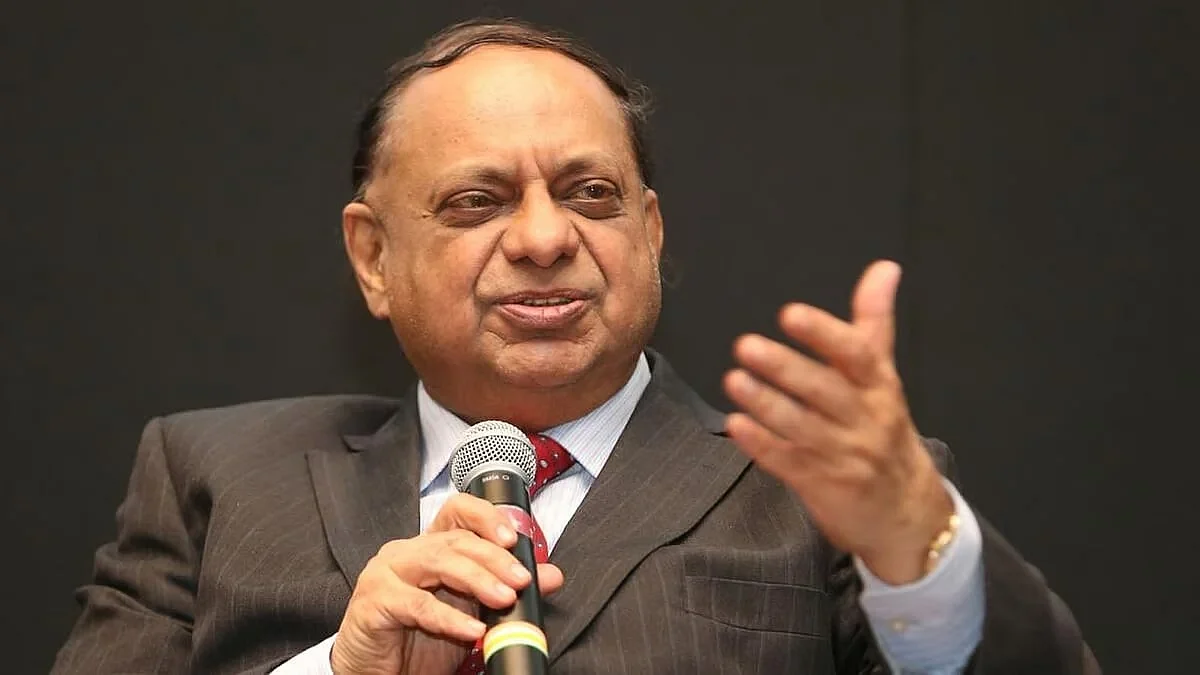
HP Ranina is a practising lawyer, specialising in corporate and tax laws of India.
Question: My friends and I invest in real estate company shares but were advised that real estate investment trusts (REITs) are better. Can you explain?
ANSWER: Real Estate Investment Trusts (REITs) own and manage income-generating properties like commercial spaces, offices, and malls. Rental income is distributed to unit holders after management and statutory charges, allowing investors to earn without directly buying real estate. REITs offer more stability than the often volatile real estate stocks.
The Securities and Exchange Board of India recently classified REITs as equity instruments, boosting their market value. These instruments have become popular among high-net-worth individuals and financial institutions. Reclassifying REITs as equity has attracted mutual fund investments, as fund managers wary of direct real estate equities prefer REITs for exposure to this lucrative sector with lower volatility and risks.
The writer is a practising lawyer, specialising in corporate and fiscal laws of India.