While technology often takes center stage in the climate conversation, it is storytelling that truly brings data to life. In the Middle East, where rapid development meets climate vulnerability, effective communication is not just strategic—it’s essential.
Zoltan Rendes, Chief Marketing Officer at SunMoney Solar Group, explains how clear narratives can boost renewable energy adoption, diminish climate skepticism, and motivate both policymakers and the public to safeguard the planet’s future.
Here are highlights from our interview:
Why is communication as crucial as technology for advancing climate action in the Middle East?
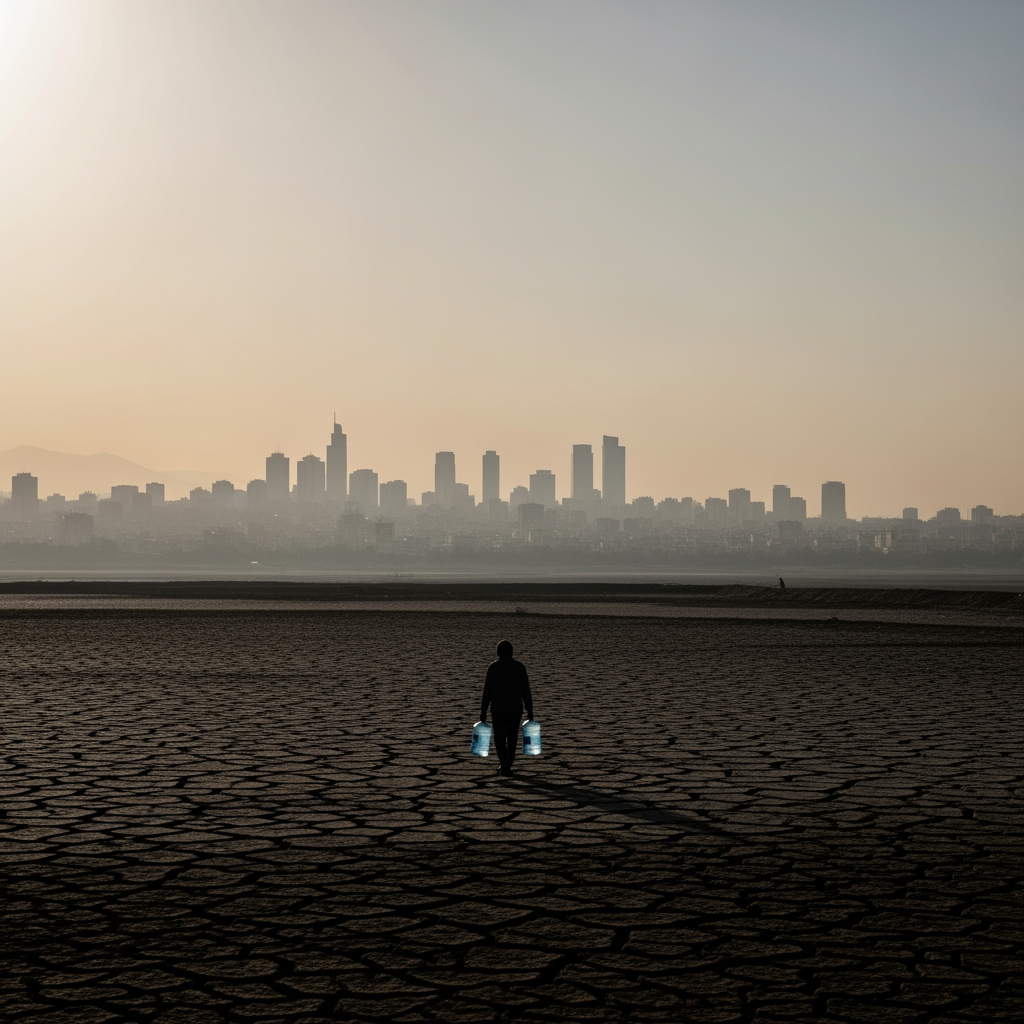
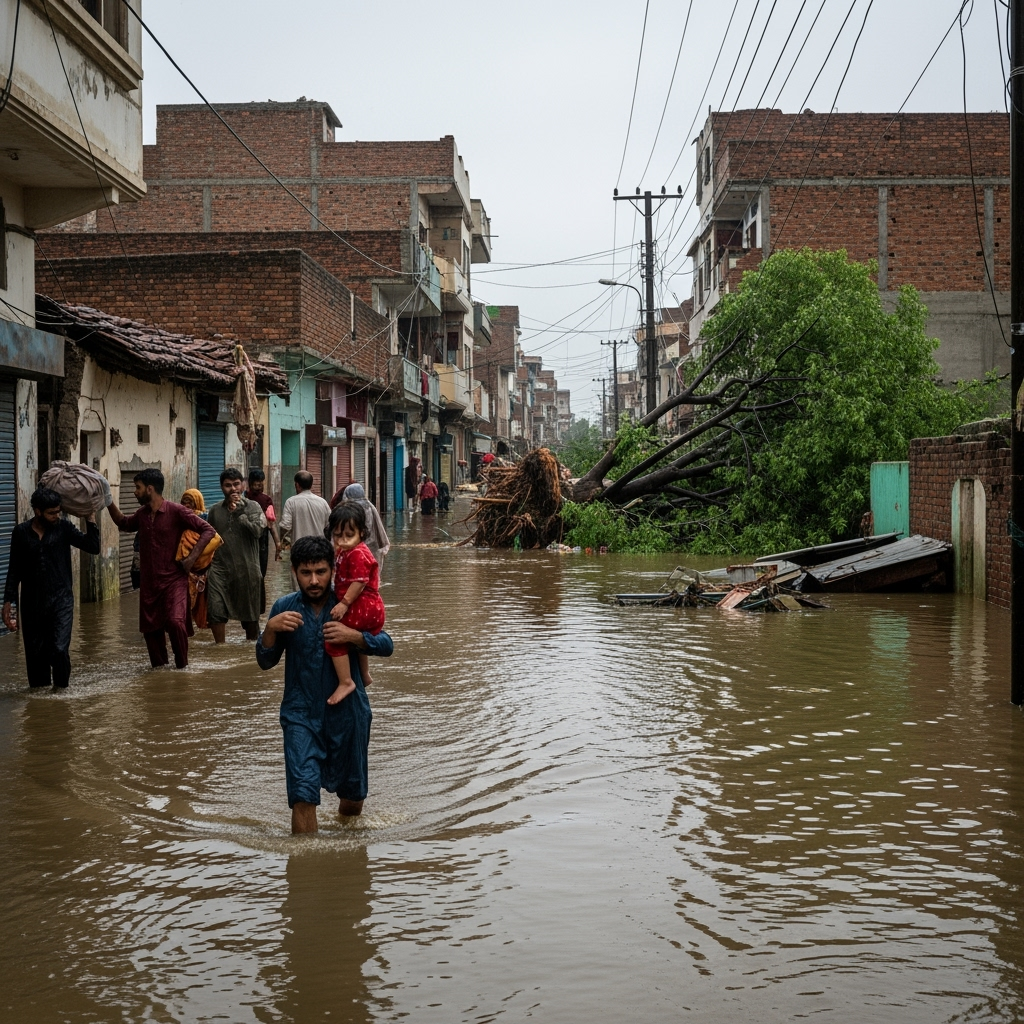
Understanding climate change requires seeing the connections and context of what’s happening to our planet. This is where communication plays a vital role—it humanizes climate data. Technology alone won’t solve the problem; the human factor is crucial. We must be candid about our limitations—no sugarcoating or delay. The issue is urgent, not some far-off threat. This summer alone, climate change led to thousands of deaths, billions in damages, and displaced hundreds of thousands worldwide.
How can clear, fact-based communication change mindsets and foster trust in renewables despite climate skepticism?
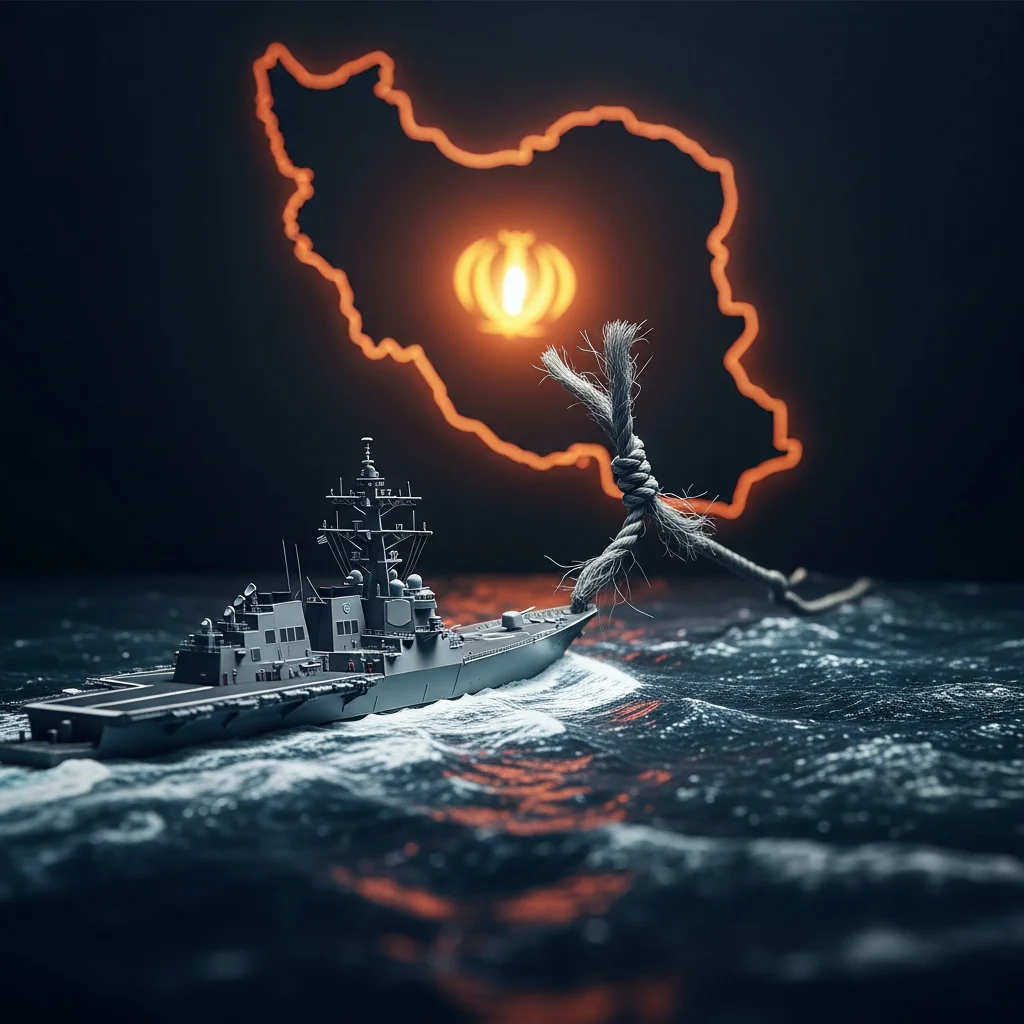
The distrust isn’t in renewables but in perception. Renewables are often seen as optional rather than essential. This is fueled by ideological and political noise painting renewables and fossil fuels as adversaries, which they are not. They are part of the same evolutionary journey. Can we build renewables without fossil fuels? No. Can we cease fossil fuel use today? Also no. Doing so would lead to societal collapse and significant loss of life. Yet, we must act swiftly; climate change is already causing deaths and displacement.
The message must be balanced: We need both patience and urgency. We must aggressively expand renewables while investing in carbon capture to buy time. This bridges ideology with reality.
What narratives resonate with Middle Eastern audiences regarding renewable energy and sustainability?
People are weary of grandstanding and polarization. They desire a balanced, science-driven, and emotionally aware narrative, particularly in the Middle East. We should embrace facts without fear, combining them with stories of resilience, hope, and action. The region has repeatedly led in innovation. The narrative should celebrate this leadership while emphasizing that every small action matters—how we manage waste, value water, and design our buildings.
We must shift from a focus on vertical growth—more factories, more output—to horizontal growth—enhancing efficiency, smarter reuse, and greater resilience. People respond when they see sustainability as smart adaptation, not sacrifice.
What common misconceptions about renewables do you often encounter, and how do you address them?
Misconceptions often involve the false dichotomy between fossil fuels and renewables or the myth that renewables are a luxury, not a necessity. Abandoning fossils immediately would be disastrous. Another myth is that renewables can’t be profitable—seen as costly or unreliable. At SunMoney, we’ve demonstrated that renewables can offer steady returns, especially with models like community solar. We connect people to green energy and green income, changing perceptions and showing that sustainability is both personal and practical.
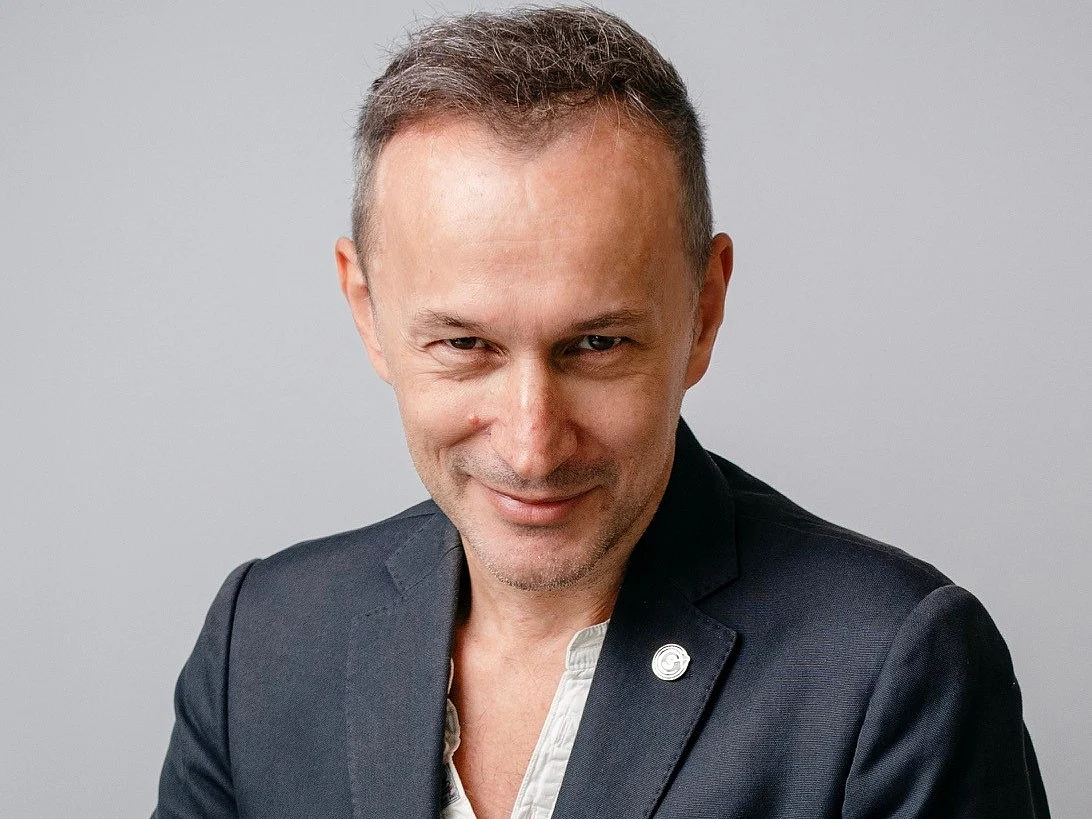
Zoltan Rendes – Partner and CMO SunMoney
Beyond statistics, what kind of stories or messages inspire participation in climate-positive initiatives?
The strongest drivers are money and love—often in that order. Money is a powerful motivator in business. Yet love—for family, life, and home—is the fundamental emotion that sustains action.
We must remind people of what we live for, not just what we fight against. When businesses realize their future customers seek cleaner air, greener cities, and healthier lifestyles, the message becomes transformational.
It’s about rephrasing the age-old question—“What would you die for?”—to something actionable: “What are you living for?” “What future do you envision for your children?” “What company do you want to lead in that future?”
Technology, including AI, can help us ask better questions and interpret data, but human emotion still drives decisions. We need everyday heroes, not just climate icons. We need stories that ignite faith and purpose, not just fear. Together, we must build a future—beyond the barriers of politics, profit, or propaganda—through truth, collaboration, and shared imagination.
Communication is more than a campaign; it’s a climate infrastructure. The Middle East has a unique chance to fuse visionary action with compelling storytelling. By rooting truth in both science and emotion, the region can shift from renewable ambition to genuine belief—and from mere awareness to unstoppable action.