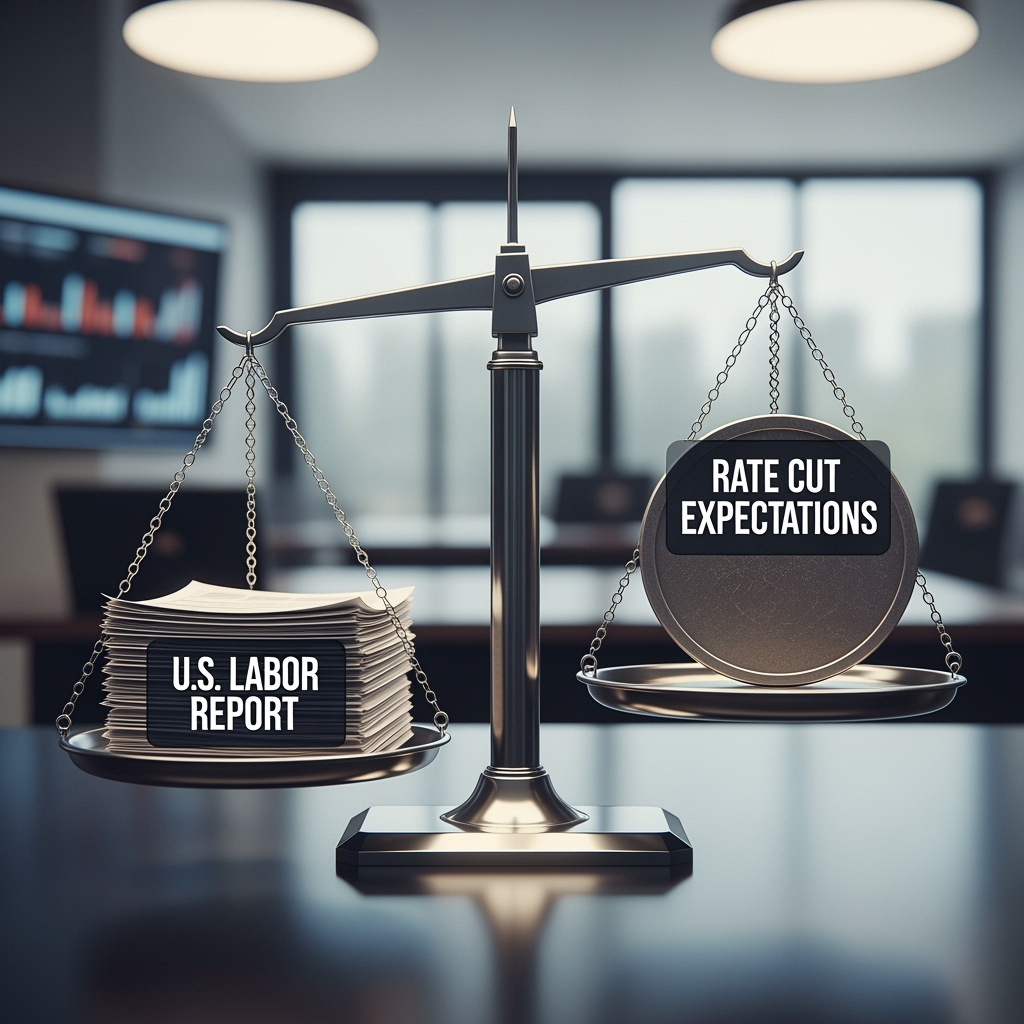
The upcoming U.S. labor market report next week will be a pivotal indicator of the economy’s health, testing investors’ belief in imminent interest rate cuts. This perception has propelled U.S. stocks to new highs.
The release of unexpectedly weak U.S. payroll data last month raised hopes that the Federal Reserve might cut rates in September to bolster the labor market, despite inflation concerns.
A weak August employment report next Friday could heighten fears of a slowing economy but might also encourage the market to anticipate more aggressive rate cuts, according to Jack Janasiewicz, lead portfolio strategist at Natixis Investment Managers Solutions.
“Lower rates likely outweigh a slightly slowing labor market, providing a support base for the economy and the stock market,” he stated.
Since their lows in April, U.S. equities have surged. Investors have dismissed worries about President Trump’s tariffs causing a recession, while various tech and other stocks have thrived on the optimism surrounding AI business potential.
Despite a less-than-stellar earnings report from AI leader Nvidia, the SP 500 hit record highs on Thursday, with the index set to end August over 2% up, boosting its year-to-date gains to more than 10%.
Nonetheless, markets are entering a historically challenging period. Over the past 35 years, September has been the SP 500’s worst month, with an average decline of 0.8%, as per the Stock Trader’s Almanac. The index fell 18 out of 35 times in September, the only month with more declines than gains in that span.
The September jobs report is the first major economic release. Employment in August is projected to rise by 78,000 jobs, according to a Reuters poll. July’s report showed a 73,000 increase in nonfarm payrolls, a weak number compounded by downward revisions for the previous two months.
Alex Grassino, global chief economist at Manulife Investment Management, anticipates that the report’s components, such as unemployment rate and hourly earnings, will suggest the U.S. labor market has cooled.
July’s weak data raised expectations of a Fed rate cut in September, a sentiment reinforced after Fed Chair Powell noted rising job market risks.
Fed funds futures indicated an 89% likelihood of a 25 basis point rate cut at the September 16-17 meeting, per LSEG data.
“It would take widespread strength in the report to change the Fed’s inclination to lower rates,” said Drew Matus, chief market strategist at MetLife Investment Management, adding that the chances are “pretty low.”
“Even an acceptable report won’t discourage the Fed from cutting,” Matus added.
While a September rate cut seems nearly certain, the jobs data could influence expectations for future rate reductions. Fed funds futures suggest about 55 basis points, or over two standard cuts, by December.
Additional Fed developments will be monitored next week, following Trump’s attempt to dismiss Fed Governor Lisa Cook. Cook filed a lawsuit, asserting Trump lacks authority to remove her.
This controversy has reignited debates over the Fed’s independence and its capacity to enact monetary policy without political pressure, amid Trump’s criticism of the Fed and Powell for not cutting rates further.
While the situation has fueled speculation about the Fed’s autonomy, Grassino believes these risks are currently well-priced into the market.
“Many assumptions that traditional market participants held are now being questioned,” he noted. “As these issues arise, potential tail risks are expanding.”