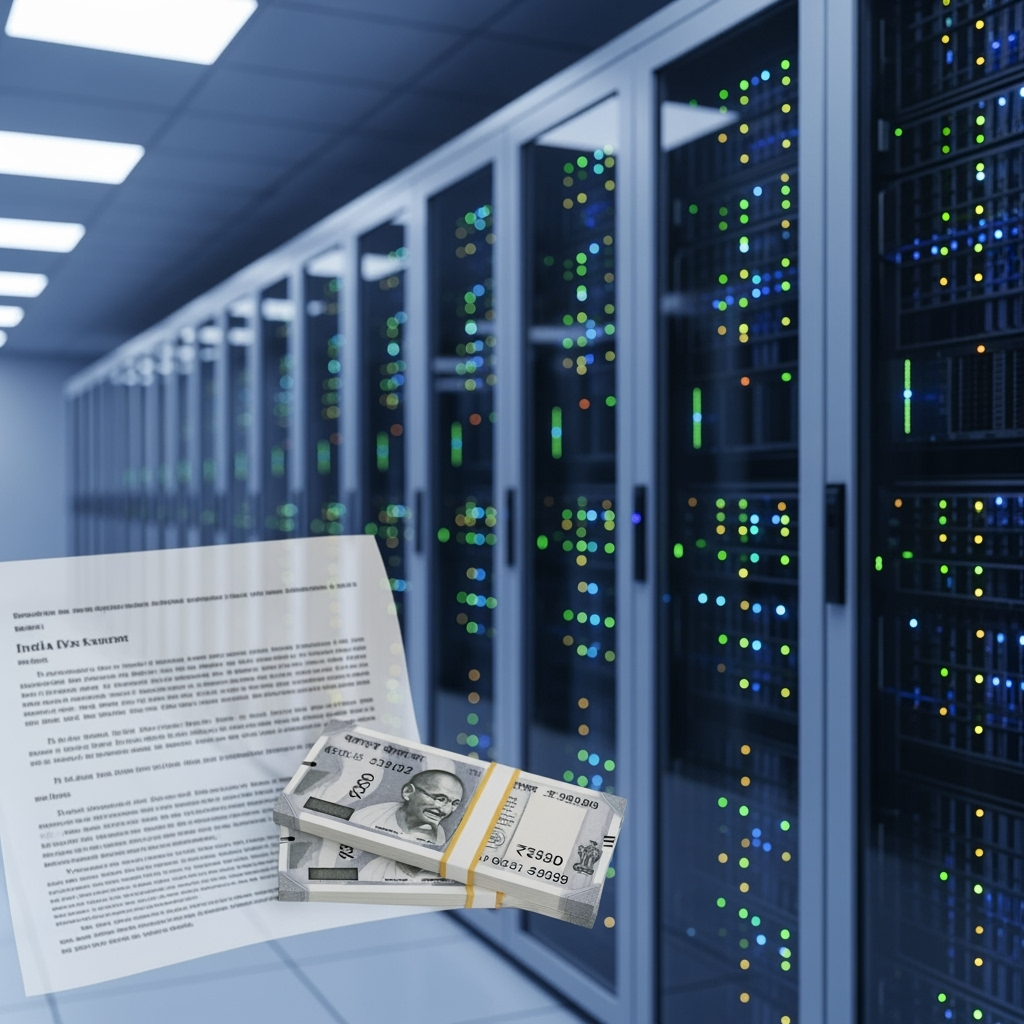
Question: A British company I’m working for plans to establish a data centre in India. What are the policy initiatives and procedures involved?
ANSWER: The Ministry of Electronics and Information Technology has developed a data centre policy to facilitate the establishment of data centres with single-window permissions and streamlined approval processes. The goal is to position India as a preferred destination, granting data centres infrastructure status. Additionally, four dedicated data centre economic zones are being developed to foster an ecosystem of cloud service providers, R&D units, IT firms, hyperscalers, and other related industries in select areas.
At least 10 state governments have introduced data centre policies based on industry input. This will help in distributing new data centres and leveraging the growth of small edge data centres in interior regions. The sector’s rapid expansion and AI-driven growth highlight the need for such facilities nationwide. Currently, 80% of the total data centre capacity is concentrated in major metros like Mumbai, Chennai, and the Delhi-NCR.
Question: It is concerning that the younger generation struggles to find employment even after graduating from technical institutes. Is the Government taking steps to harness the demographic dividend?
ANSWER: Initiatives are underway to transform industrial training institutes (ITIs) into skill centres through collaborations with renowned industrial companies via public-private partnerships. Some companies are interested in adopting multiple ITIs to develop a skilled workforce. While ownership of the ITI remains with the Government, industrial partners will introduce courses, train educators, and modernize facilities. Maharashtra alone has over 425 ITIs, with significant interest from the private sector.
To enhance ITI students’ employability and managerial skills, short-term courses in management, soft skills, and AI are being offered. Courses in business analytics, production management, and financial and behavioural management are also available. Indian and foreign electric vehicle manufacturers are keen on partnering with ITIs. To ensure new-age skills development for young graduates, some ITIs offer courses in AI, machine learning, 3D printing, cyber security, drones, and clean energy technologies.
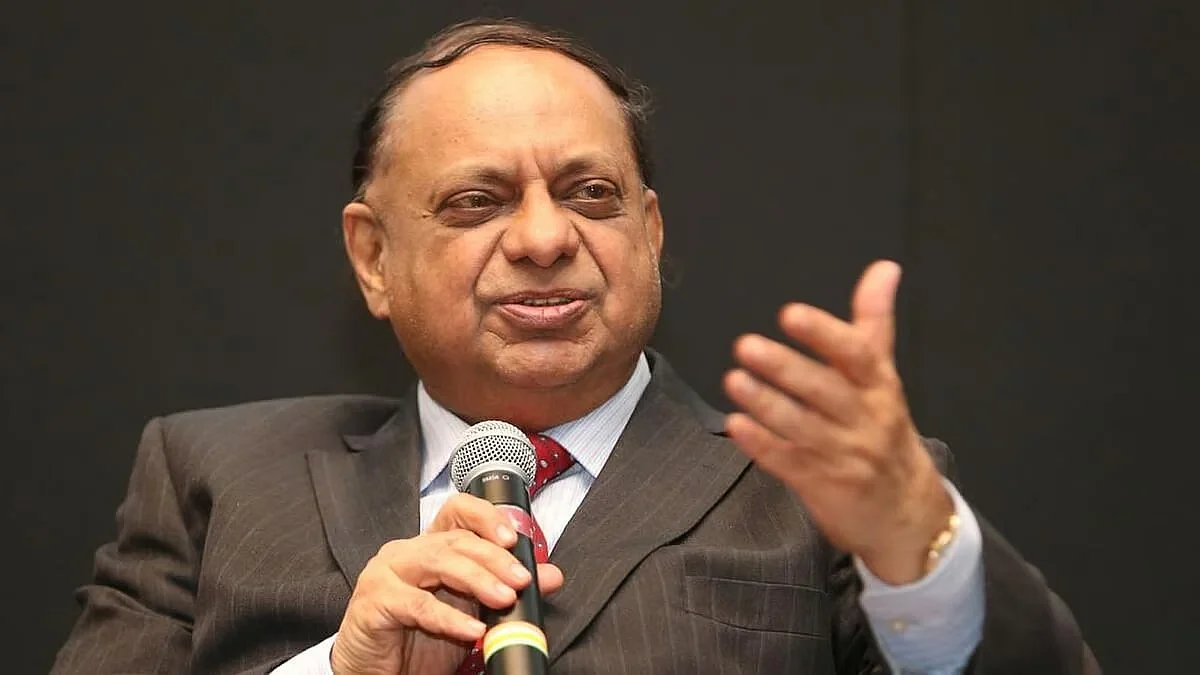
HP Ranina is a practising lawyer, specialising in corporate and tax laws of India.
Question: I heard a new tax law was enacted by the Indian Parliament this month. How does it differ from the earlier draft introduced in February?
ANSWER: The draft Bill introduced in February was reviewed by the Select Committee of Parliament, which consulted experts and stakeholders, resulting in 285 recommendations, most of which were accepted by the Government. Consequently, the Bill was redrafted and passed in the current session of Parliament. The initial draft had ambiguities in areas like refunds, property taxation, pensions, and expense deductions. The revised Bill addresses these to clarify interpretations and prevent disputes.
The updated legislation removes redundant provisions and reorganizes sections for easier reference. The language is simplified for better public understanding, enhancing compliance for individuals and SMEs. The new law aims to sustain domestic consumption and attract foreign investment.
The writer is a practising lawyer, specialising in corporate and fiscal laws of India.