Question: I’ve worked in a shipbuilding yard for years and plan to retire by starting a related business in India with friends. Are there good opportunities?
ANSWER: India’s shipbuilding prospects are vast since the country’s output is less than 1% of global production. To address this, the Indian Government has announced a Rs700 billion financial package for the maritime sector. This initiative focuses on boosting domestic capacity, enhancing long-term financing, fostering shipyard development, and advancing technical skills. Three significant schemes are introduced.
The shipbuilding assistance scheme offers Rs250 billion, the maritime development fund provides another Rs250 billion, and the shipbuilding development scheme allocates Rs200 billion. Altogether, these schemes are expected to generate Rs4.5 trillion in investment and manufacture 2,500 vessels. They aim to attract global investments and reduce reliance on foreign ships, promoting maritime self-reliance and creating 4.5 million gross tonnage capacity. This initiative will strengthen supply chains and enhance maritime capabilities.
Question: How does India rank in innovation capabilities? I’ve read reports suggesting moderate growth.
ANSWER: According to the Global Innovation Index (GII) 2025 by the World Intellectual Property Organisation, India climbed from 81st in 2015 to 38th among 139 economies in 2025. The GII uses around 80 indicators, including R&D spending, venture capital deals, hi-tech exports, and IP filings. India excels in ICT services exports, a vibrant VC scene, start-up financing, unicorns, and intangible assets, indicating tech-driven growth.
India is building a complete value chain from semiconductors to 6G, positioning itself at the forefront of the global digital revolution. The country is transitioning from a tech consumer to an innovator, with communications reaching remote areas due to technological advancements. Analysts believe that with 5G services, India is at a pivotal point, enhancing its innovation status and achieving self-reliance in sovereign data.
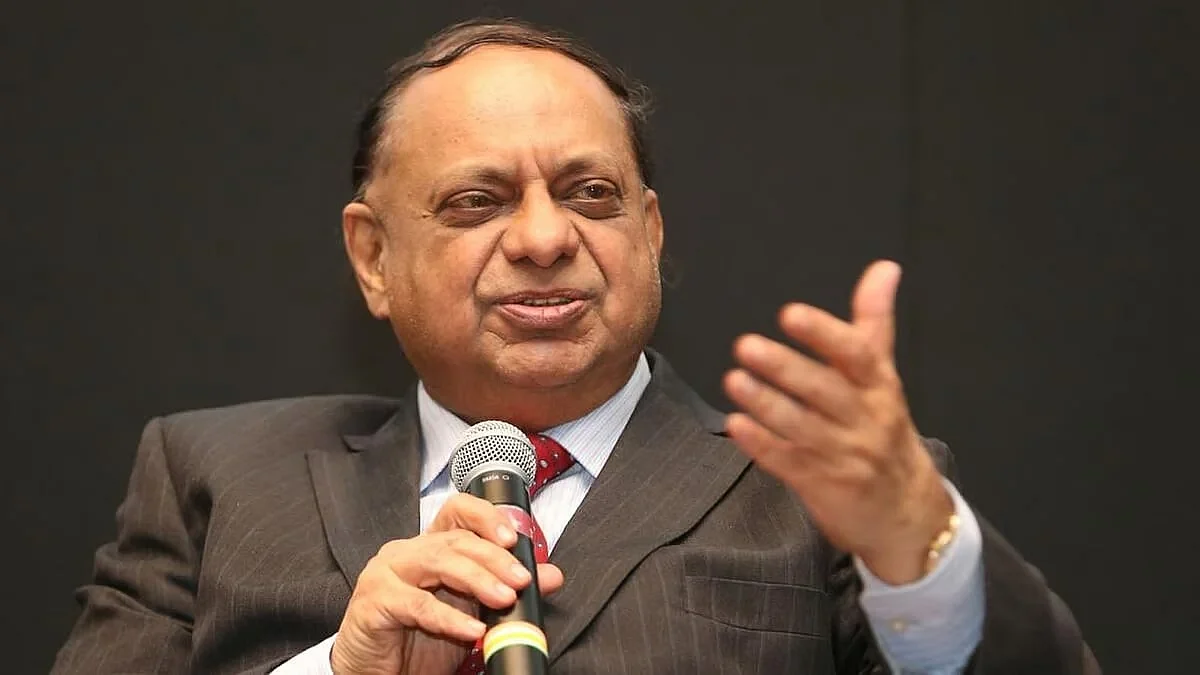
HP Ranina is a practising lawyer, specialising in corporate and tax laws of India.
Question: Has the Reserve Bank of India made progress in making the rupee viable for international trade?
ANSWER: Significant strides have been made to make the rupee suitable for international trade. The Reserve Bank of India plans to establish a reference rate for the rupee against other currencies, starting with the Indonesian Rupiah and the UAE Dirham. The central bank will allow authorised dealer banks to lend in rupees to non-residents of Bhutan, Nepal, and Sri Lanka for cross-border trade. Another proposed measure is to allow special rupee Vostro Account balances to be invested in corporate bonds and commercial papers.
These steps will enable Indian banks to provide loans in INR to importers/exporters and create a direct reference rate between INR and other currencies. However, this process will take time due to the current lack of active transactions. Financial Benchmarks India Limited (FBIL) sets the reference rates, such as the USD-INR reference rate. As the market is currently illiquid, FBIL needs to publish a reference rate first. Once trade volume increases, the market will determine the price through active trades reported by agencies.
The writer is a practising lawyer, specialising in corporate and fiscal laws of India.