Question: Overseas investors have recently withdrawn from the Indian capital market. What steps are being taken to boost sentiment and attract them back?
ANSWER: To enhance India’s appeal to foreign investors, the Securities and Exchange Board of India has introduced the Swagat-FI framework. This initiative grants foreign portfolio and venture capital investors, such as sovereign funds and central banks, a single-window access with a streamlined ten-year registration and KYC process, an improvement from the current three-year cycle. Additionally, SEBI has launched the India Market Access Portal, offering detailed guidance for foreign portfolio investor registration, documentation, and compliance.
Recent measures by SEBI to strengthen India’s capital market include relaxing IPO guidelines. Companies listing with less than a 15% public float now have ten years to reach the 25% public shareholding requirement, while those with 15% or more have five years. The rules for anchor investors have been eased, increasing the overall quota to 40%, with life insurance and pension funds included in the reserve pool.
Question: Amid suggestions for the government to create employment opportunities for Indian youth, entrepreneurship has taken a backseat. Is this expected to change soon?
ANSWER: The Indian Government is launching the Yogya Bharat Mission to foster entrepreneurship skills, offering new opportunities for the youth. The ‘Business in a Box’ model supports individuals and nano-entrepreneurs, emphasizing technical skills and catering to local economies. This initiative promotes sustainable non-farm job opportunities, particularly in rural and peri-urban areas, aiming to reduce migration to urban centers.
The government plans to introduce a national employability and entrepreneurship measure to track data and make policy adjustments aligned with corporate needs. Currently, 30.6% of aspiring entrepreneurs are trained through hereditary exposure, self-learning, and on-the-job training. To harness the demographic dividend, the Ministry for Skills, Development and Entrepreneurship has identified essential competencies, such as effective communication, digital literacy, and an entrepreneurial mindset.
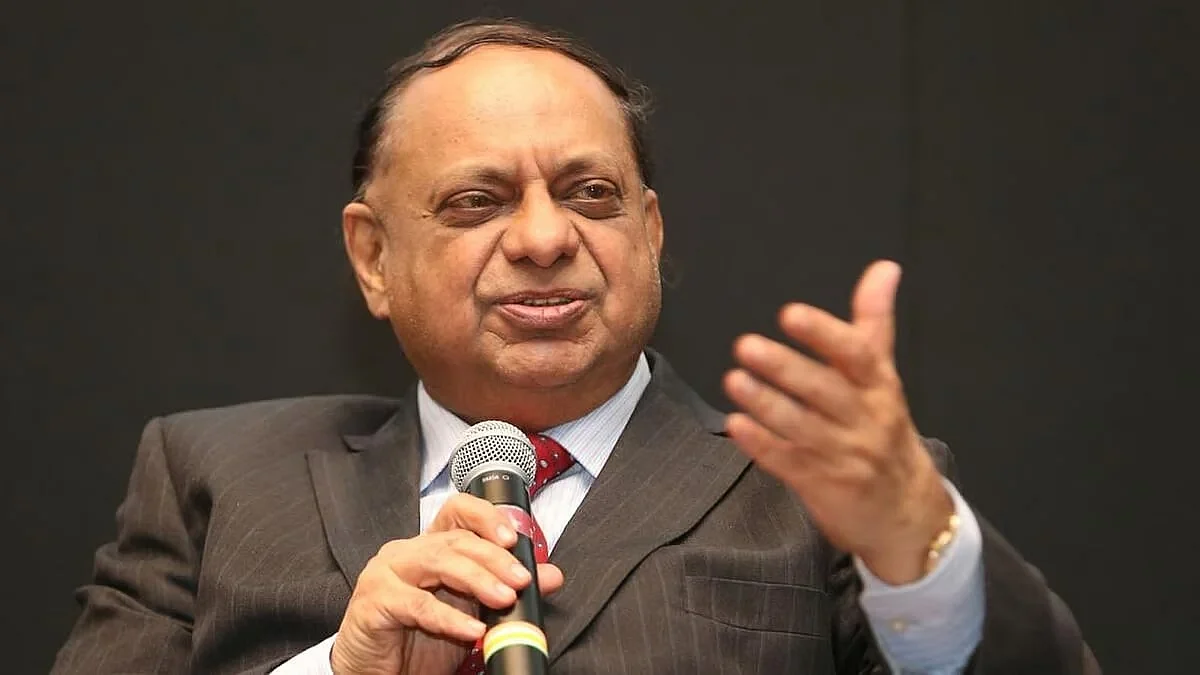
HP Ranina is a practising lawyer, specialising in corporate and tax laws of India.
Question: Have US tariffs negatively impacted Indian exports? What steps are being taken to address this?
ANSWER: In August, Indian exports grew by 6.7% to $35.1 billion, with the first five months of fiscal 2025-26 totaling $184.1 billion. Imports rose by just 2.1% during this period. Indian exporters are expanding into new markets with support from overseas trade missions. To boost e-commerce exports and support SMEs, the Government proposes a framework allowing inventory-based models for e-commerce, a shift from current guidelines.
The proposed guidelines will assist SMEs in e-commerce by simplifying documentation, compliance, and logistics costs through a third-party export facilitation model. This entity will manage compliance, logistics, and customs for SMEs, allowing them to focus on product development and branding. These initiatives aim to strengthen the Indian export sector and help it withstand US tariffs until an India-USA agreement is established.
The writer is a practising lawyer, specialising in corporate and fiscal laws of India.