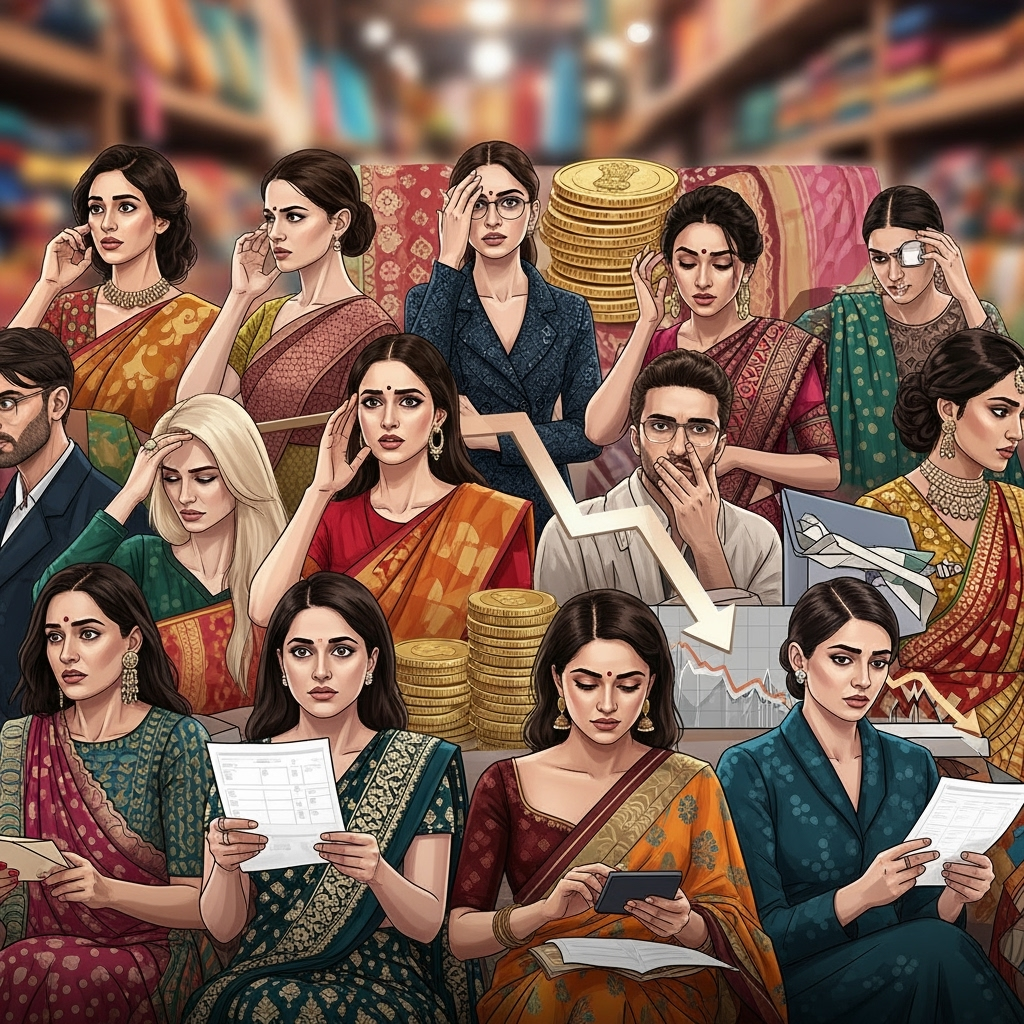
India’s consumer tax reform aims to reduce costs on items ranging from soaps to luxury SUVs, but international fashion brands like Zara, Levi Strauss, and Lacoste are concerned about increased taxes on apparel priced above $29.
The premium apparel segment, driven by India’s young, brand-conscious population, makes up about 18% of the $70 billion apparel market, according to Datum Intelligence.
Prime Minister Narendra Modi’s government has implemented the most significant tax reform in eight years, lowering taxes to 5% on garments under 2,500 rupees ($29), while those above this price now face an 18% tax.
This change pressures brands like PVH Corp, Marks and Spencer, Gap Inc, Under Armour, Nike, HM, and Japan’s Uniqlo.
Fashion companies express concerns that higher taxes may impact sales, as young consumers view such purchases as lifestyle upgrades but remain price-sensitive, according to two Indian garment executives working with international brands.
“Retail operates on thin margins, with high overheads like rent,” said a foreign garment brand’s CEO in India, who requested anonymity due to fear of government backlash. “Expected growth won’t materialize now.”
The CEO added, “The 2,500-rupee price is no longer luxury but basic.”
The increased taxes also pose challenges for domestic manufacturers who are also affected by U.S. tariffs imposed by President Donald Trump’s administration.
India’s reform has significantly reduced taxes on daily essentials and consumer electronics while surprisingly lowering SUV taxes to a flat 40% from up to 50%.
Mercedes-Benz has reported record sales amid rising consumption.
The Clothing Manufacturers Association of India warned that the higher apparel tax could be a “death knell for the industry” as items over 2,500 rupees are popular among the middle class.
For instance, Superdry India’s website shows that most of their 875 new arrivals fall under the new 18% tax, with jackets over $170 and shirts at $60.
On Lacoste India’s website, men’s T-shirts can reach up to $99, with none below the $29 threshold, effective September 22.
Tax Impact on Weddings
The Association expressed concern over the higher tax’s impact, compounded by Trump’s tariffs.
Arvind Fashions, for instance, holds franchise rights for Tommy Hilfiger and Calvin Klein in India, while its affiliate, Arvind Ltd, exports foreign brands to the U.S., accounting for about 30% of its business.
The Arvind Group did not comment on the matter.
In India, foreign premium brands attract affluent youth through retail stores and e-commerce. Lululemon Athletica plans to enter the market by 2026.
The tax increase will also affect luxury brands Louis Vuitton, Dior, and Versace.
Some consumers might opt for less expensive options abroad, but the increase from 12% to 18% will have minimal impact on India’s wealthy, according to a luxury industry executive.
Weddings, a significant expenditure area, will also be affected. Lavish celebrations often involve large spending on traditional attire for both men and women.
“Imposing an 18% tax on these garments will force parents to choose inferior clothing for their child’s special day,” the clothing association stated.