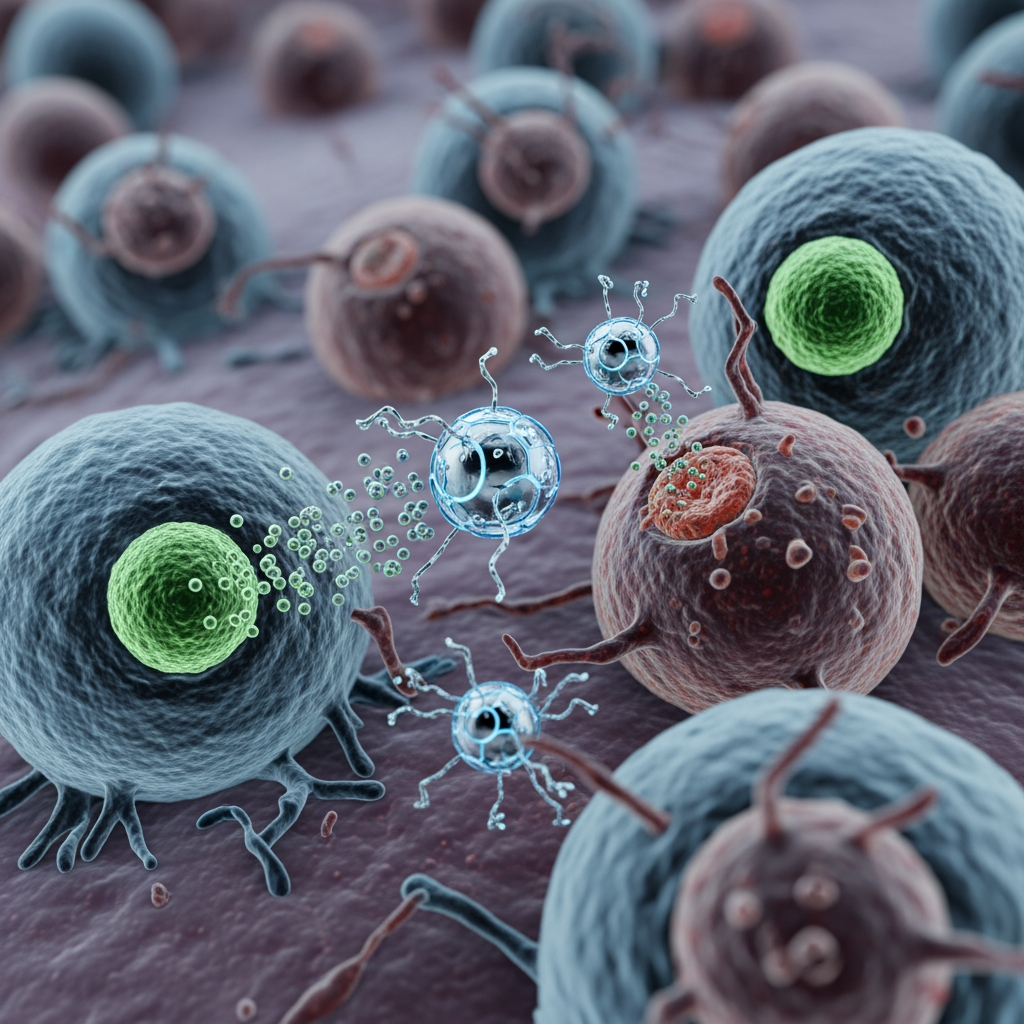
Scientists in various countries today are working on developing methods to deliver drugs directly to the affected organ or diseased cells (for example, delivering anti-cancer drugs to a tumor). This helps increase the effectiveness of treatment and avoid situations where most of the drug is distributed throughout the body, leading to side effects.
The scientists explained that Chelidonic acid is one of these molecules. This substance is found in some medicinal plants, such as Chelidonium (celandine) and Scutellaria, and it is easy to synthesize with a wide range of beneficial properties, including anti-inflammatory properties, the ability to stimulate bone tissue regeneration, and protect nerve cells.
Timur Nasibov, a research assistant in the Department of General Anatomy and Pathology at Siberian State Medical University, said, “Using computer modeling, we analyzed dozens of human transport proteins, and through molecular docking and molecular dynamics methods, we tested how Chelidonic acid binds to each protein and simulated this process. Then, in the lab, we added the acid to a cell culture, and through high-resolution chromatography, we confirmed that the cells indeed absorb this substance.”
The researcher noted that the results obtained form a basis for further fundamental research on the transport mechanisms and therapeutic efficacy of Chelidonic acid. More complex computer simulations are planned in the near future to study the movement of the acid across the membrane in detail and then experimentally confirm the role of each candidate protein in the lab.