Almost a year after a ceasefire was intended to calm the Lebanon-Israel border, thousands still haven’t returned to the devastated southern towns, deterred by ongoing Israeli strikes and minimal rebuilding opportunities.
Among them is Zeinab Mehdi, a 50-year-old farmer who fled Naqoura during intensified conflict between Israel and Hezbollah, joining over a million displaced from the southern hills.
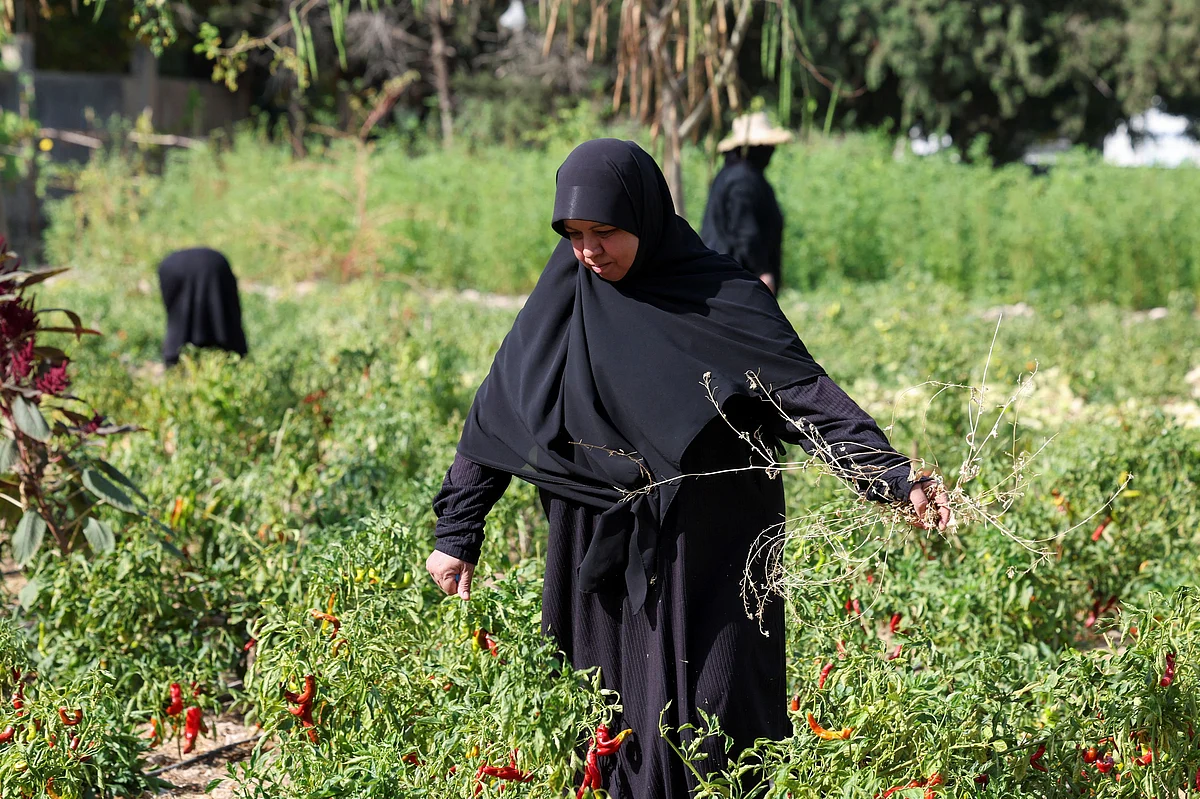
Zeinab Mehdi, a Lebanese farmer from Naqoura, works in a U.N. Women’s agency-supported farming project in Tyre, Lebanon, September 23, 2025. — Reuters
Mehdi, like many others, pinned her hopes on a U.S.-brokered ceasefire from November 26, 2024, meant to allow safe civilian return.
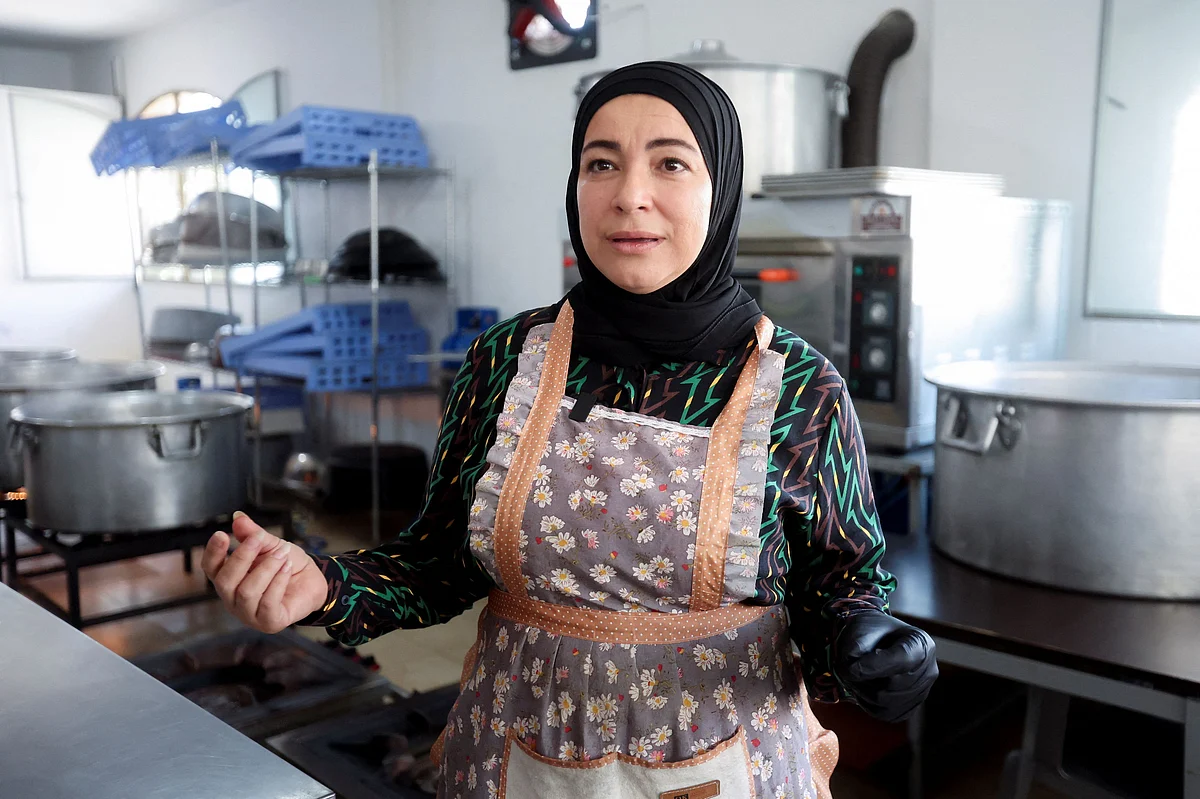
Mounifa Aidibeh, a business owner, during a Reuters interview in Tyre, Lebanon, September 23, 2025. — Reuters
TRUCE FAILED TO HALT STRIKES
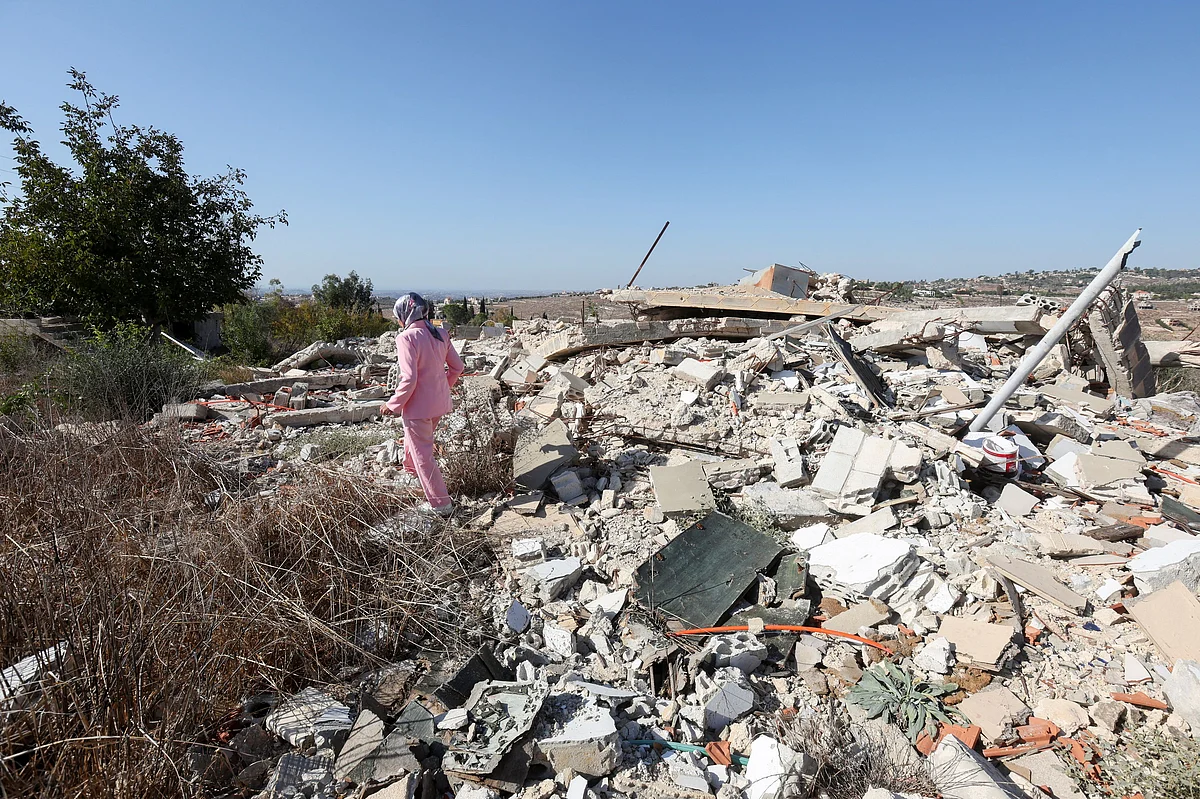
Bidaya Sleiman, Houla’s Municipal Council member, on her home’s rubble in Houla, southern Lebanon, October 11, 2025. — Reuters
Despite no longer launching rockets, Israel continues strikes, flattening homes on Lebanese hilltops, say residents and officials.
Israel claims its strikes target Hezbollah’s military activities, alleging the group hides terrorist operations among civilians. In February, Israel stated it must maintain troops in Lebanon until the area is secured by Lebanese forces.
Hezbollah denies military rebuilding in the south, accusing Israel of preventing civilian return.
“Israel destroyed anything left standing,” said Mehdi, now part of a U.N. Women’s farming project in Tyre. “They ruined water pumps and broke all irrigation. I have nothing left.”
IMAGES SHOW POST-CEASEFIRE DAMAGE
Mona Yacoubian from the Center for Strategic and International Studies notes the ongoing strikes as Lebanon’s “new normal,” hinting at how the Gaza ceasefire might unfold: continuous attacks without full-scale war.
October 11 saw Israeli strikes destroy construction equipment 40 km from the border, claiming they targeted terrorist infrastructure. Lebanon’s President Joseph Aoun said civilian facilities were hit.
The Lebanese Public Works Studio reported dozens of attacks on returnees attempting to clear rubble or fill water tanks.
Satellite images of Naqoura, reviewed by Reuters, show at least 24 structures destroyed between January and September, indicating strikes, not reconstruction.
The Israeli military justified the destruction, citing Hezbollah’s infrastructure hidden within civilian areas.
‘STILL LIVING IN A WAR’
Over 64,000 remain displaced in Lebanon, says the International Organization for Migration, including nearly 1,000 fleeing recent Israeli strikes.
Some live in Tyre’s schools. Mounifa Aidibeh, 47, turned her catering business into a community kitchen amid September 2024’s intensified strikes, feeding 1,350 displaced people daily with Mehdi’s produce.
“We thought the war’s end would mean returning home,” Aidibeh said amid cooking. “But the war never ended. It’s ongoing until Israel leaves completely.”
Israel in August suggested troop reduction if Lebanon disarms Hezbollah.
NO MAJOR RECONSTRUCTION YET
The World Bank estimates Lebanon needs $11 billion for war recovery, but rebuilding is stalled, contingent on Hezbollah disarmament.
Bidaya Sleiman, elected to Houla’s council, can’t live in her town due to her home’s destruction. She visits weekly, aiding public service restoration.
“The war persists,” she told Reuters, noting new strikes in Houla. “People need security before anything else. Without it, there’s always something missing.”