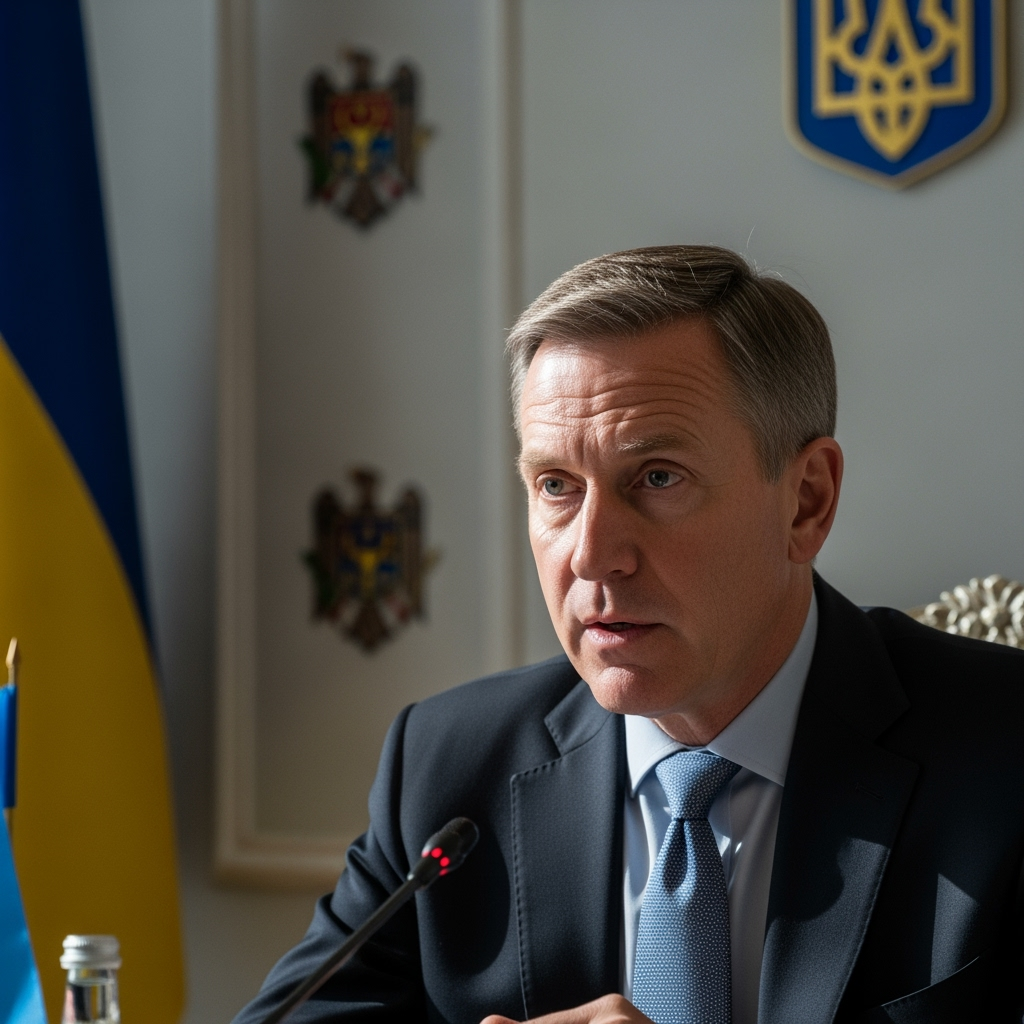
The newspaper ‘Al-Wasat’ reported on Thursday morning that Mohammed Al-Hassan assured the public regarding the military movements in the capital, saying, ‘We will remain at the forefront of peace because we are not advocates of war.’
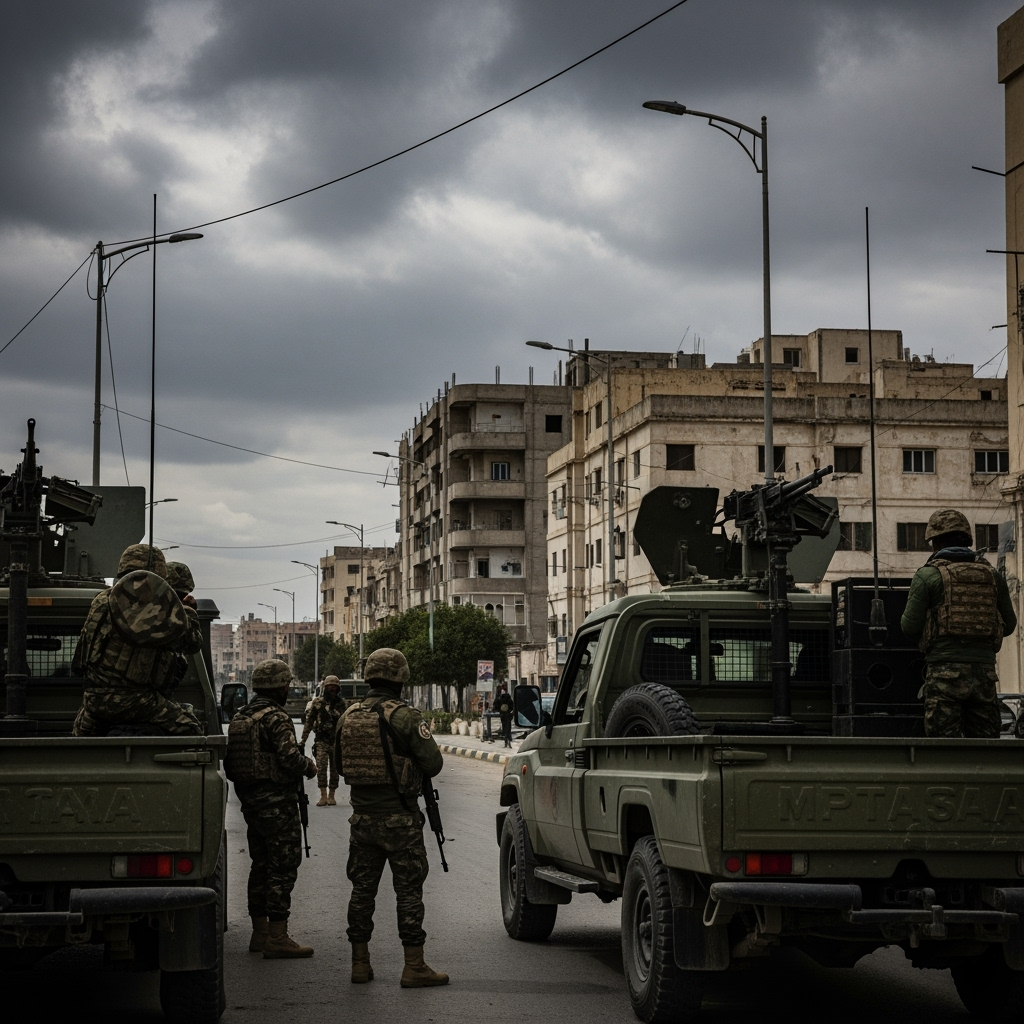
Mohammed Al-Hassan’s statements came in response to information circulated about monitoring military movements and mobilizations in some areas of Tripoli, attributed to the interim Government of National Unity led by Abdul Hamid Dbeibeh.
It is noteworthy that the Libyan capital, Tripoli, has been experiencing security tensions since the killing of Abdul Ghani Al-Kikli, the head of the ‘Stability Support Apparatus,’ known as ‘Ghneiwa,’ last May. This was followed by clashes between Brigade 444, affiliated with the interim Government of National Unity, and the ‘Deterrence Apparatus’ led by Abdul Raouf Kara.
In recent weeks, Dbeibeh has intensified his rhetoric against those he calls ‘outlaws,’ warning armed groups opposing him, particularly the ‘Deterrence Apparatus.’ On July 6, Dbeibeh stated that ‘armed formations outside the law have become a state within a state.’
Libya has been suffering from deep political and institutional division since 2011, with two rival governments: one in Tripoli, in the west of the country, which is the Government of National Unity led by Abdul Hamid Dbeibeh, and the other in Benghazi, in the east, appointed by the parliament and led by Osama Hamad. This division is accompanied by a duplication of sovereign institutions, most notably the legislative authority represented by the House of Representatives in Tobruk and its advisory partner under the Skhirat Agreement, the High Council of State in Tripoli, which also suffers from internal divisions.