When I began my journey into cryptocurrency and blockchain, I was certain about one area to steer clear of: meme coins.
Meme coins are the gambling machines of the crypto world. They’re cheap thrills, amusing at times, occasionally profitable, and often unpredictable. One constant about them? Chaos.
For beginners, meme coins are tokens inspired by internet jokes, cultural memes, news, or sheer randomness. They lack asset backing, inherent utility, and thrive solely on hype.
The enthusiasts chasing meme coins are aptly called ‘degens’, short for degenerates. They pursue these tokens tirelessly, sometimes striking it rich, other times losing everything. A reality show on this would be fascinating.
You might have heard of some famous meme coins. The top one is Dogecoin (DOGE), launched in 2013 as a Bitcoin parody. Created by two engineers, it was based on a Shiba Inu dog meme. Elon Musk’s tweets and his self-proclaimed title of “Dogefather” on SNL sent prices soaring, creating millionaires. Today, Doge is a multi-billion dollar venture. Unexpectedly, earlier this year, Musk briefly led the actual DOGE — the US Department of Government Efficiency. Doge has found utility in payments and awaits a Doge ETF approval by the SEC.
The second most popular meme coin is Shiba Inu (SHIB), which debuted in 2020 as the ‘Dogecoin killer’.
There are thousands more; CoinMarketCap listed 4,742 the last time I checked, and it’s hard to keep track.
My experience with meme coins has been brief and humbling. Last year, I bought a token named Monopoly after a tip from a trusted source. I converted $1,000 (Dh3,672) of Ethereum into it. Initially, it rose, but within two days, my investment dwindled. I sold at an 80% loss, embarrassed and swore ‘never again’.
Yet, earlier this year, $Patriot tempted me. After President Trump’s election, someone in my crypto group hyped it up on a Friday night, claiming it would surge. I lifted my no-meme rule, investing another $1,000 from a more stable coin.
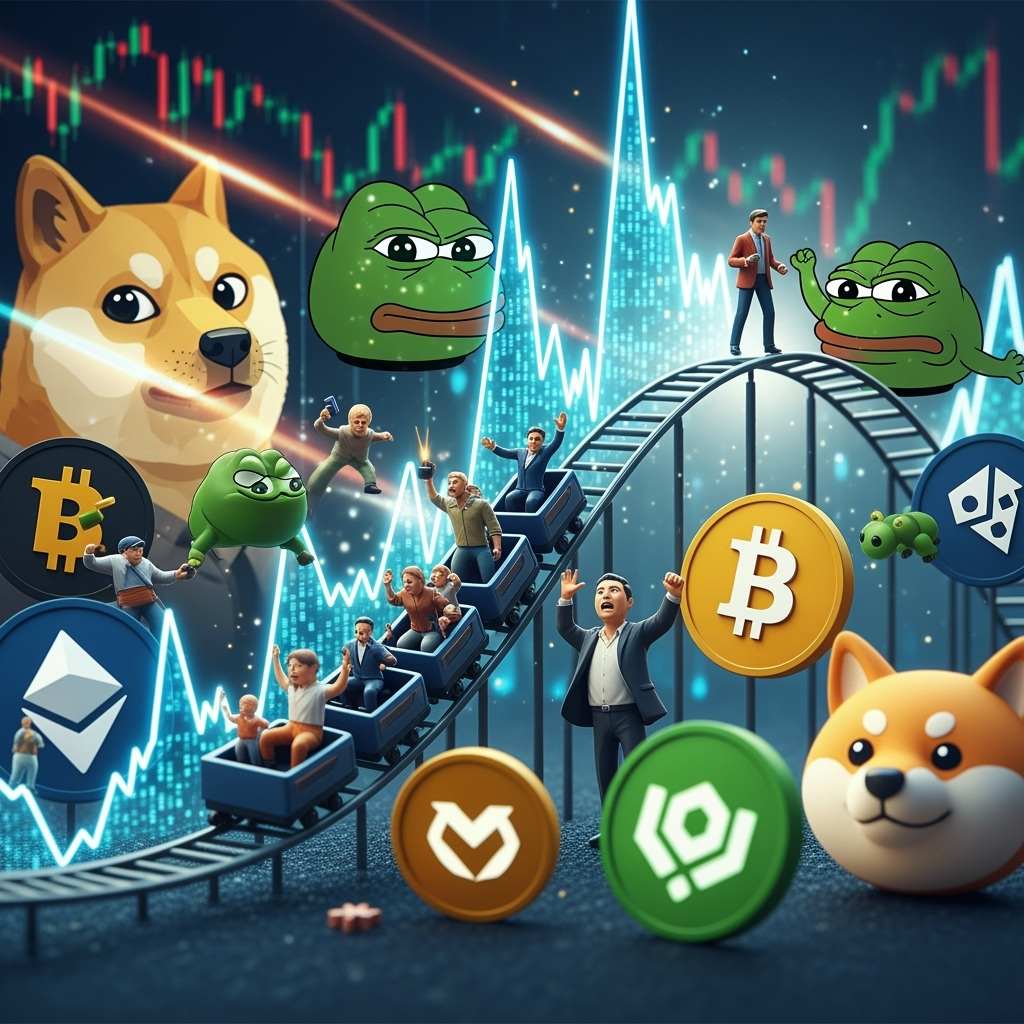
That weekend was a rollercoaster! My investment multiplied tenfold. By Saturday night, I was $9,000 (Dh33,052) richer on paper and decided to cash out. But the Solana network was congested, likely due to the $Patriot frenzy.
I opted to sleep on it, planning to sell in the morning. But crypto never rests, and by morning, my 10x gain had shrunk to 2.5x. I sold and considered it a win.
This week, temptation struck again as my crypto group buzzed over a coin they created following a news event. The chat erupted with excitement, as members watched its market cap rise, speculating its potential, and noted its spread among influencers and KOLs, ‘key opinion leaders’ in crypto.
It was a game of whispers that began in the chat and spilled into reality, eventually spreading across social media.
Despite the meme antics, I appreciate this group because the leader often reminds us of the insanity of such behavior, likely leading to total loss. Yet, he humorously adds, “I’m buying more.” This time, I refrained. Sanity prevailed, and I kept my money.
Some might think I’m foolish for maintaining my composure with meme coins or entertaining them at all.
Watching this unfold repeatedly, I see a resemblance to pyramid schemes. Meme coins thrive only if more people buy in. The same applies to crypto projects, but at least they have a purpose. It’s up to investors to judge their worth.
I sense a deeper aspect at play. Meme coins reflect how our culture often prioritizes flashy distractions over substance. Even in crypto’s volatile world, my goal is to invest in tangible ventures, building lasting wealth.