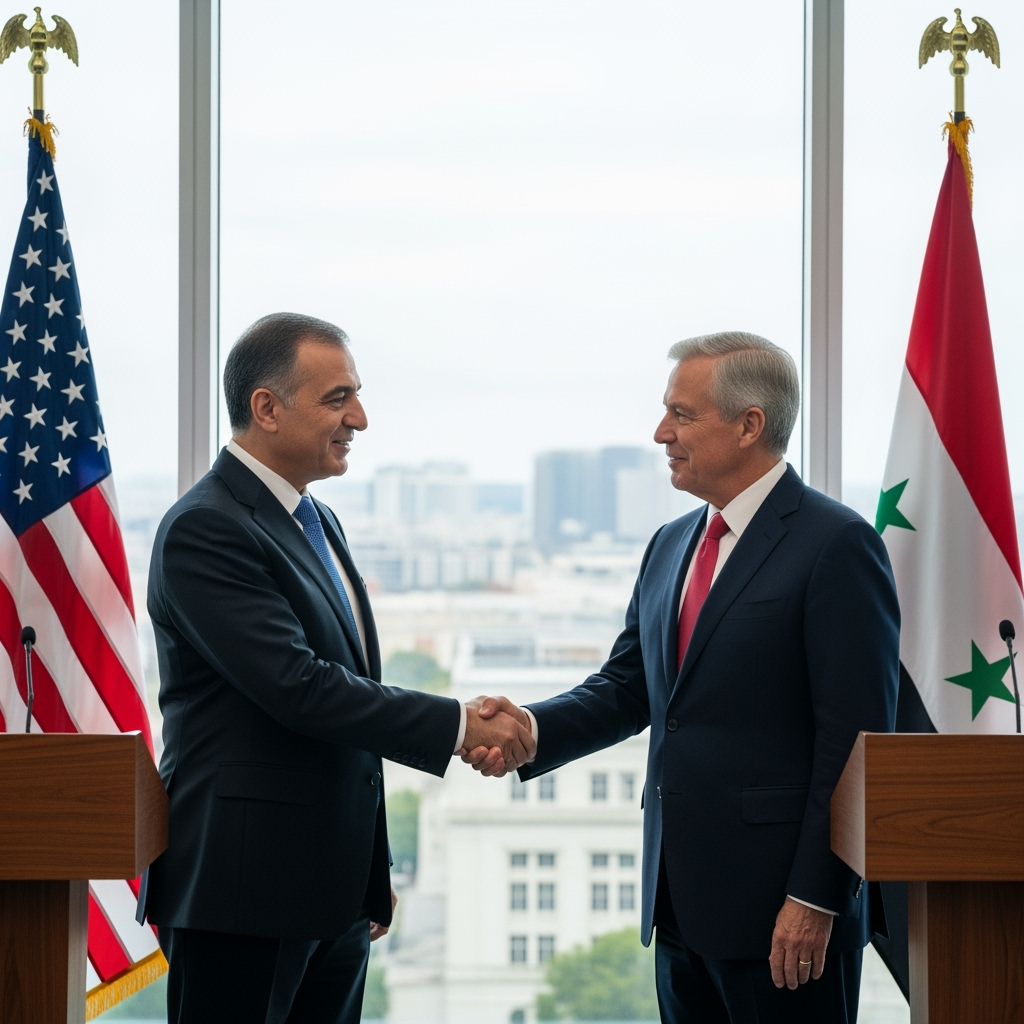
Despite the rising voices calling for the end of normalization, a significant segment believes it is not feasible due to considerations related to the Western Sahara issue. Particularly, after former US President Donald Trump announced on December 10, 2020, through a series of tweets on his official Twitter account, that Morocco and Israel agreed to normalize relations with American mediation, which was linked with his recognition of Morocco’s sovereignty over Western Sahara, akin to Morocco’s recognition of the United States in 1777. Morocco considers this a strategic gain in the matter.
In this context, Moroccan human rights activist Abdelilah Khodri, president of the Moroccan Center for Human Rights, stated that Israel is economically and investment-wise deeply integrated into Moroccan society and might still be involved in sensitive areas. He added in his conversation with ‘Sputnik’ that the Moroccan state has full sovereignty to decide its relations with ‘the Israeli entity,’ especially since international law does not mandate countries to maintain diplomatic relations if they do not serve their interests or contradict their strategic choices.
Khodri continued, ‘Article 1 of the Vienna Convention on Diplomatic Relations confirms that the establishment or severance of relations between countries is done by mutual agreement, meaning Rabat can procedurally close the Israeli liaison office at any time, or it can declare the termination of relations.’
He further stated, ‘Therefore, even if we as human rights activists demand the cessation of normalization with this ‘entity,’ the decision remains contingent on the state’s readiness to take this step, which it had done previously until the Abraham Accords trick came to re-normalize relations. Currently, we observe a suspension of diplomatic relations between Morocco and the Israeli side due to the genocide crimes practiced against the Palestinian people in Gaza, especially as popular demands aim to end normalization completely, whether politically, diplomatically, economically, or academically.’
The Moroccan activist believes that the Israeli side is deeply entrenched economically and investment-wise in Moroccan society and might still be significantly involved in very sensitive areas. Regarding the future of relations, Khodri mentioned three main scenarios:
– Continuing relations secretly more than publicly, meaning economic and security cooperation will remain, but Morocco will adopt supportive rhetorical stances for the Palestinian cause or postpone public visits to avoid internal tension.
– A partial and temporary freeze, where Rabat might halt some activities or freeze certain projects if public pressure intensifies or the moral and political cost of continuing normalization rises, while maintaining back-channel communications.
– The least likely, unfortunately, is a complete and public severance, a politically and economically costly option that might expose Morocco to losing vital international support in the Western Sahara issue, making its reliance contingent on radical international shifts, which still occur steadily, aiming to revise most countries’ views of ‘the entity’ as one committing ‘genocide’ against another people, with escalating exceptional pressures, which still receives unlimited support from the US administration and supportive Western lobbies.
He pointed out that ‘suspending relations between Morocco and Israel remains a possible and legitimate option from a sovereignty standpoint, but its activation doesn’t solely depend on legal texts, nor on the positions of the Moroccan political elite, nor even the entire Moroccan civil society and people, but on a delicate balance between internal pressures and external strategic interests.’
He continued, ‘If the Moroccan street today raises the slogan of ending normalization, they read the file with other eyes, balancing between popular legitimacy and the calculations of power and international politics. Therefore, the future seems closer to a middle ground, continuing deep cooperation with symbolic or media packaging that considers the popular mood, more than the likelihood of heading towards a complete severance.’