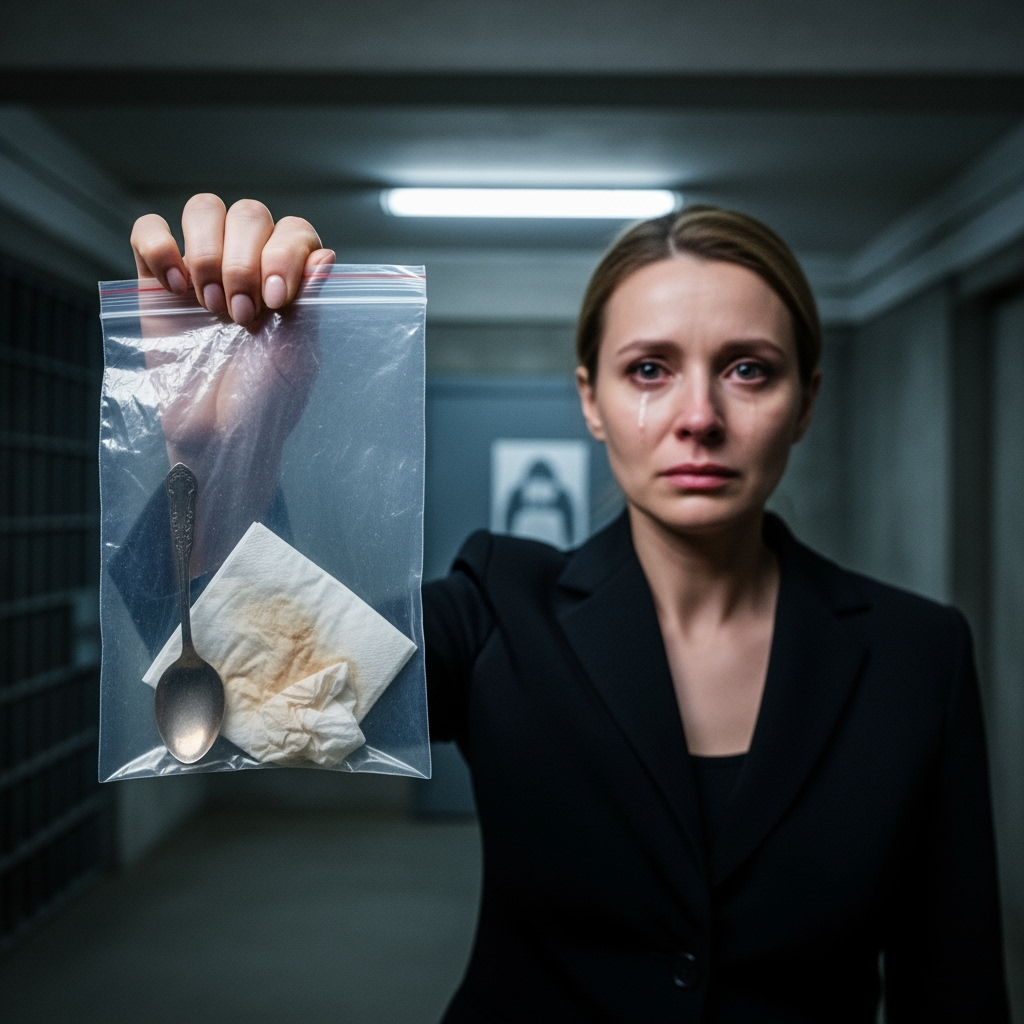
On Wednesday, the wife of Russian opposition figure Alexei Navalny revealed that laboratory tests on smuggled biological samples confirmed he was poisoned to death in an Arctic prison in February 2024.
Navalny, a prominent critic of President Vladimir Putin, died under mysterious conditions while serving a 19-year sentence on charges widely viewed as political retaliation.
As a charismatic anti-corruption advocate, Navalny mobilized hundreds of thousands in anti-Kremlin protests, exposing alleged corruption within Putin’s inner circle.
His supporters have consistently claimed he was murdered in prison, yet Moscow has not provided a full explanation for his death, only stating that he became ill while walking in the prison yard on February 16, 2024.
In new claims, Yulia Navalnaya, his wife, stated that before his burial in Moscow, his allies successfully transferred Navalny’s biological samples abroad.
“Laboratories in two countries determined that Alexei was poisoned,” she announced in a social media video.
She did not specify which samples were taken or the analysis results, but urged labs to release findings independently and identify the poison used.
Navalnaya also shared unverified photos of his prison cell, showing vomit on the floor, and cited prison officials’ testimony that he had convulsed.
When questioned about these claims, Kremlin spokesman Dmitry Peskov declined to comment at a daily briefing.
Navalny’s associate, Maria Pevchikh, who also shared the photos, claimed unverified accounts from prison staff indicated Navalny “was lying on the floor, vomiting, screaming in pain.”
“Rather than assisting him, the guards locked the cell,” she stated on X, without further detail on her sources.
In her video, Navalnaya acknowledged “inconsistencies” in the testimonies from five prison officials regarding Navalny’s death, without specifying how they were obtained.
‘Murder’
Previously, Navalny survived a poisoning with a Novichok nerve agent in 2020 while campaigning in Siberia and was flown to Germany for recovery.
After his return to Russia in January 2021, he was jailed on multiple charges, including “extremism.”
Even from prison, he continued to oppose Putin and condemned the Ukraine invasion.
Russian authorities claimed he died suddenly after falling ill during an outdoor walk in the prison colony.
Following his death, officials delayed releasing Navalny’s body to his family, raising suspicions among supporters.
Navalnaya has persistently accused Putin of orchestrating her husband’s death, repeating these claims on Wednesday.
“Vladimir Putin is responsible for my husband Alexei Navalny’s murder,” she declared.
The Kremlin has denied this accusation.
After his death, the Kremlin intensified its crackdown, targeting his allies and critics, adding Navalnaya to a “terrorists and extremists” list and sentencing his lawyers and journalists covering his trials to lengthy prison terms.
Most of his family and key supporters have been living abroad for some time.
The Russian opposition, weakened by internal conflicts, has struggled to stay relevant in exile after Navalny’s death.
Public opposition to Putin within Russia has become exceedingly rare since the February 2022 invasion of Ukraine.
The Kremlin has imposed military censorship, increased its repression of dissenters, and effectively banned criticism of both the Kremlin and the invasion.