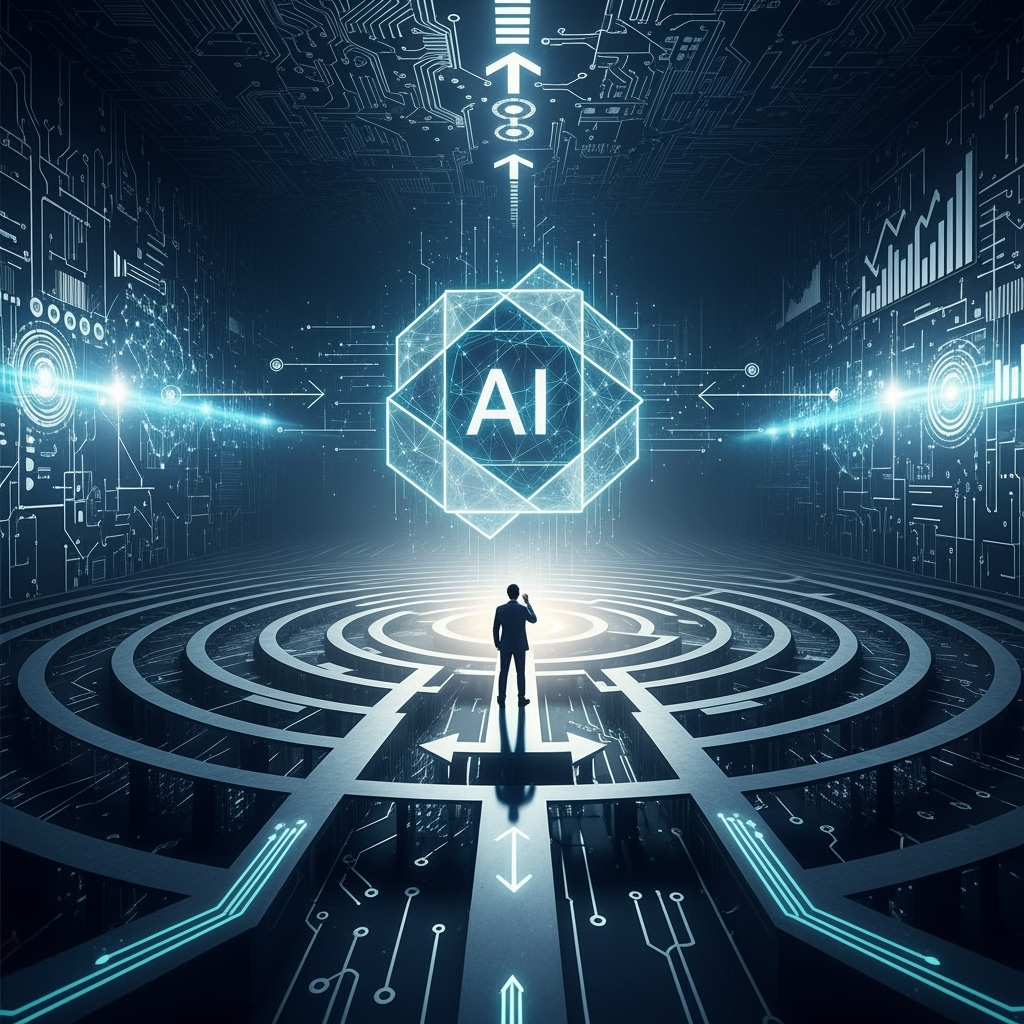
Artificial intelligence has evolved from a supporting technology to a central force in the workplace. Microsoft’s Work Trend Index reveals that AI is transforming job execution, sometimes even eliminating traditional roles. Tasks once handled by entire departments are increasingly managed by generative AI, data-driven platforms, and automated processes. This shift compels business leaders to reconsider their roles, not just as decision-makers but as visionaries navigating a machine-driven future.
AI: A Co-worker and Competitor
The Microsoft report unveils a paradox. Although AI is introduced to enhance human productivity, employees perceive it as competition. Routine tasks are largely automated, raising the question: If AI can rapidly generate reports, create presentations, and address client queries, what becomes of the human workforce? Leaders must recognize this shift, preparing teams for roles emphasizing creativity, strategy, and human judgment—areas where machines still fall short.
Redefining Leadership in the Algorithmic Age
Traditionally, leadership involved directing people and managing resources. In the algorithmic era, it increasingly involves orchestrating human-AI collaboration. Microsoft’s findings indicate that relying on outdated leadership models risks irrelevance. Modern leadership demands digital literacy, ethical foresight, and responsible data usage. A leader must manage both human teams and AI systems, ensuring they align with organizational goals ethically and transparently.
The Challenge of Trust
Technology alone can’t reshape workplaces; culture plays a crucial role in AI integration. The report emphasizes trust as a pivotal challenge. Employees worry about being replaced by tireless systems. Leaders need to communicate AI’s role openly, framing it as an enabler rather than a threat. Failing to do so may lead to resistance, low morale, and a disconnect between executive optimism and employee concerns.
From Efficiency to Innovation
Microsoft’s study highlights a shift from efficiency-driven AI adoption to innovation-driven transformation. Initially focused on cost and speed, AI now reimagines business models. Retailers use AI for supply chain management and predicting customer preferences, while healthcare firms personalize patient care with AI. Leaders must think beyond immediate productivity to harness new markets and opportunities AI creates.
Ethics as the Leadership Test
Leadership in the algorithmic era is inseparable from ethics. AI brings risks of bias, discrimination, and surveillance. Microsoft’s report emphasizes responsible AI governance. Leaders must ensure algorithms do not perpetuate inequality or breach privacy, requiring more than regulatory compliance. They need a moral vision that integrates fairness and accountability into business practices. Tomorrow’s leaders will be judged by their ethical use of technology, not just profits.
Preparing for a Hybrid Future
Despite fears of replacement, Microsoft’s research predicts a hybrid future where AI and humans collaborate. Leaders must prepare their workforce for this integration. Training, upskilling, and continuous learning are critical investments. Leaders should create environments where human intuition and AI analytics complement each other, unlocking new performance levels unattainable individually.
The Evolving Definition of Success
In an algorithm-transformed workplace, success metrics evolve. While efficiency and output are important, so are adaptability, resilience, and innovation. Microsoft’s report suggests thriving leaders inspire teams to embrace, not fear, change. Success in the algorithmic age is measured by balancing tech power with human potential.
The Human Responsibility in a Machine-Driven World
The algorithmic age is reshaping industries, workflows, and leadership. Microsoft’s findings serve as both a warning and guide. Leaders clinging to outdated command models risk obsolescence by the technologies they misunderstand. Today’s leadership navigates a future where machines perform much work, yet humans remain responsible for meaning, ethics, and purpose. Leadership now focuses on redefining humanity in a world governed by algorithms.