Neeraj Ghaywan is feeling drained. Since Homebound, his eagerly anticipated second feature after the celebrated Masaan (2015), was chosen as India’s official Oscar submission, he has been on an unending promotional tour. Critics believe this film has a strong chance of clinching the prestigious award. With backing from Karan Johar’s Dharma Productions and Martin Scorsese as Executive Producer, Homebound has gained international traction: a premiere at Cannes in the Un Certain Regard section, Best Film at the Indian Film Festival of Melbourne, and second runner-up at the Toronto International Film Festival’s (TIFF) International People’s Choice Award among its accolades.
For Ghaywan, it feels like his journey has come full circle. A decade ago, Masaan catapulted him onto the global stage at Cannes; Homebound now appears set to follow a similar trajectory. Over the years, he has become a significant voice in cinema, having co-directed Sacred Games season 2, two episodes of Made in Heaven, and several acclaimed anthologies. His work consistently focuses on marginalized communities and the intersectionality of caste, religion, and class—topics often avoided by mainstream Bollywood. In an industry criticized for creative compromises, Ghaywan stands out as a daring storyteller, reflecting uncomfortable societal truths.
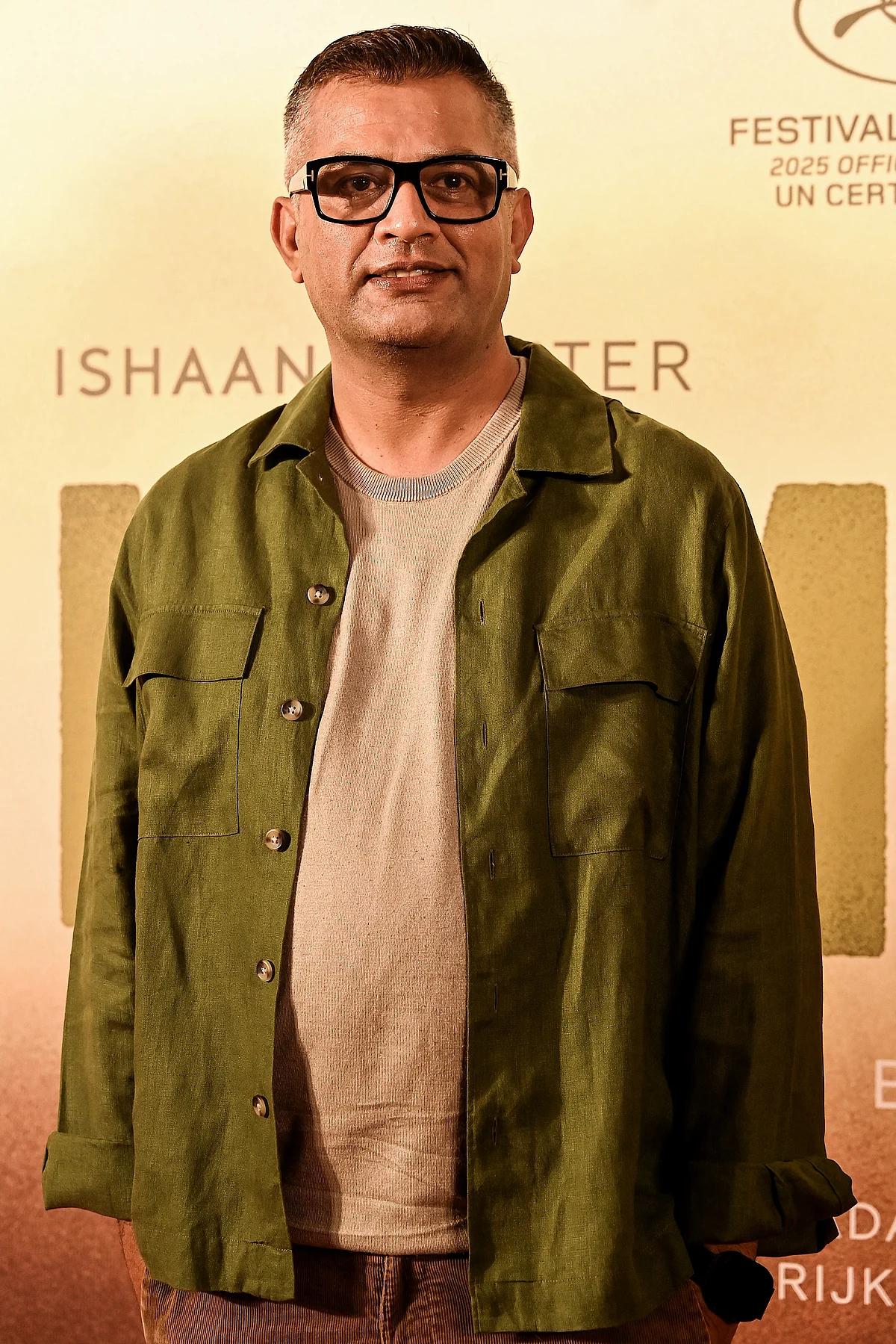
Neeraj Ghaywan
Homebound emerged from a 2020 New York Times article by author-scriptwriter Basharat Peer about two migrant workers, Amrit and Mohammed Saiyub—a Dalit and a Muslim—as they embark on a grueling journey on foot to escape a crippling Covid lockdown. The story was inspired by a Twitter image showing two exhausted men on a highway, with one cradling the other. This powerful image led to a profound feature that inspired a deeply moving film. In Ghaywan’s adaptation, Amrit and Saiyub become Chandan and Shoaib, with the core message of friendship across boundaries and enduring humanity in a divided world remaining intact.
Khaleej Times spoke with Neeraj Ghaywan about Homebound‘s future.
Homebound has journeyed from a Cannes premiere to being India’s Oscars entry. How do you interpret this recognition? Is it a continuation of your Cannes experience with Masaan or something entirely new?
I couldn’t have imagined reaching this point. When we completed the film, our primary aim was to premiere at Cannes in a competition category, and now we’re here! It still feels surreal, and I don’t want that feeling to fade!
Being India’s official Oscars entry is significant. Homebound tells the story of our heartland, our people, and our shared love. While it focuses on communities, it’s more about the warmth and empathy we seek. The story uses friendship—a universal language that resonates worldwide—and that’s likely why it connected with audiences in Cannes, Toronto, Melbourne, and Zurich. I feel blessed and proud that an Indian film about the heartland has traveled so far.
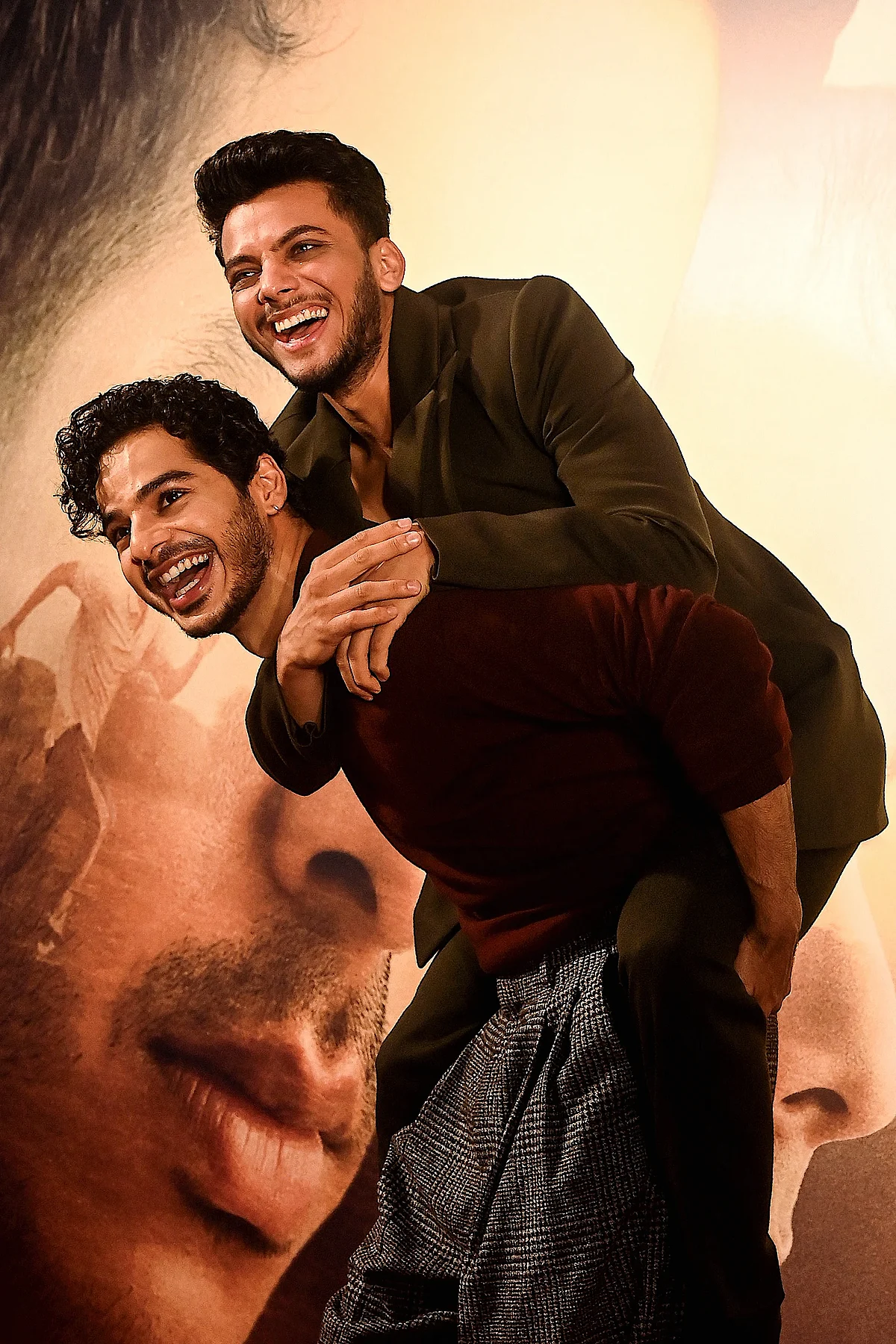
Ishaan Khatter and Vishal Jethwa
Since Oscar campaigns often involve strategy as much as cinema, do you and Karan Johar (the producer) have a plan?
Right now, our focus is on the commercial release. Honestly, none of us know exactly what to do as the news just hit us! We were celebrating the TIFF Award when we learned about the Oscar entry. The industry’s response has been overwhelming. At the premiere, many approached me, saying, ‘Thank you for making this film.’ Several admitted to feeling confronted by their privilege after watching the movie. These reactions were deeply moving.
Mainstream Hindi films have often avoided caste and sensitive topics, leaving those stories to indie or parallel cinema. Yet, Dharma Productions has backed both Dhadak 2 and Homebound, focusing on caste. Is this an exception or the start of a broader trend?
I believe there is a shift and a genuine interest in discussing marginalized communities. It’s commendable for a commercial production house like Dharma to support and champion this type of cinema. Karan Johar has supported me at every step. Homebound is an independent-minded film produced by one of Bollywood’s biggest studios. Our cast includes Jahnvi Kapoor, Ishan Khatter, and Vishal Jethwa. Supported by Martin Scorsese, it premiered at Cannes before coming to India. We’re essentially bridging the gap between indie films and corporate studios; it’s remarkable how far we’ve come.

You’ve mentioned incorporating personal experiences into your work. Given Homebound is rooted in a recent tragedy—the pandemic—was this film more personal to you than Masaan?
It was undoubtedly more personal. I can’t direct something unless I make it my own, so I often draw from my childhood while writing a film. I grew up in a patriarchal household and pretended to be an upper-caste member for much of my life, so the fear, insecurities, and impostor syndrome I experienced were woven into Chandan’s life too.
Besides these experiences, the pandemic itself had an impact. During Covid, I was part of a Twitter group organizing oxygen cylinders for those in need. We also helped book tickets for migrants and cared for our own staff. Meanwhile, the world around me was baking banana bread, making pizza, and lamenting empty bars while others faced harsh realities. We need to recognize there’s a side living right beside us whose struggles we overlook.
Do you think the pandemic highlighted the stark differences between the ‘Two Indias’?
It wasn’t my intent to highlight this starkness. I wanted to follow the journey of these two boys. There’s no direct comparison (of the Two Indias) in the film as we didn’t juxtapose their lives with urban ones. We often discuss marginalized communities as statistics; my aim was to humanize their experience. What do they want, where do they come from, what happens to their dreams, and where do they find solace?
Did you interact with Amrit and Saiyub’s families while making the film? If so, how did those interactions affect your approach?
Yes, I did. I met Basharat Peer after reading the story, and we met the families and Mohammed Saiyub (the surviving friend). It felt surreal. We were also working towards their rehabilitation. However, Amrit’s parents could barely speak; they only cried. I saw a half-torn Ambedkar photo in their house, which broke me. I included that image in my film too. Meeting Saiyub was an experience, though he’s very introverted. We have fictionalized much of their lives.
If Deepak, your protagonist from Masaan were to meet Chandan and Shoaib from Homebound, what advice might he offer them?
Interesting question! I think Deepak would become friends with Shoaib, and Shoaib would find his Chandan in Deepak. Their friendship would rekindle…that would be something to look forward to!