Researchers at NYU Abu Dhabi have developed a capsule that patients can ingest to treat digestive issues using light, eliminating the need for surgery.
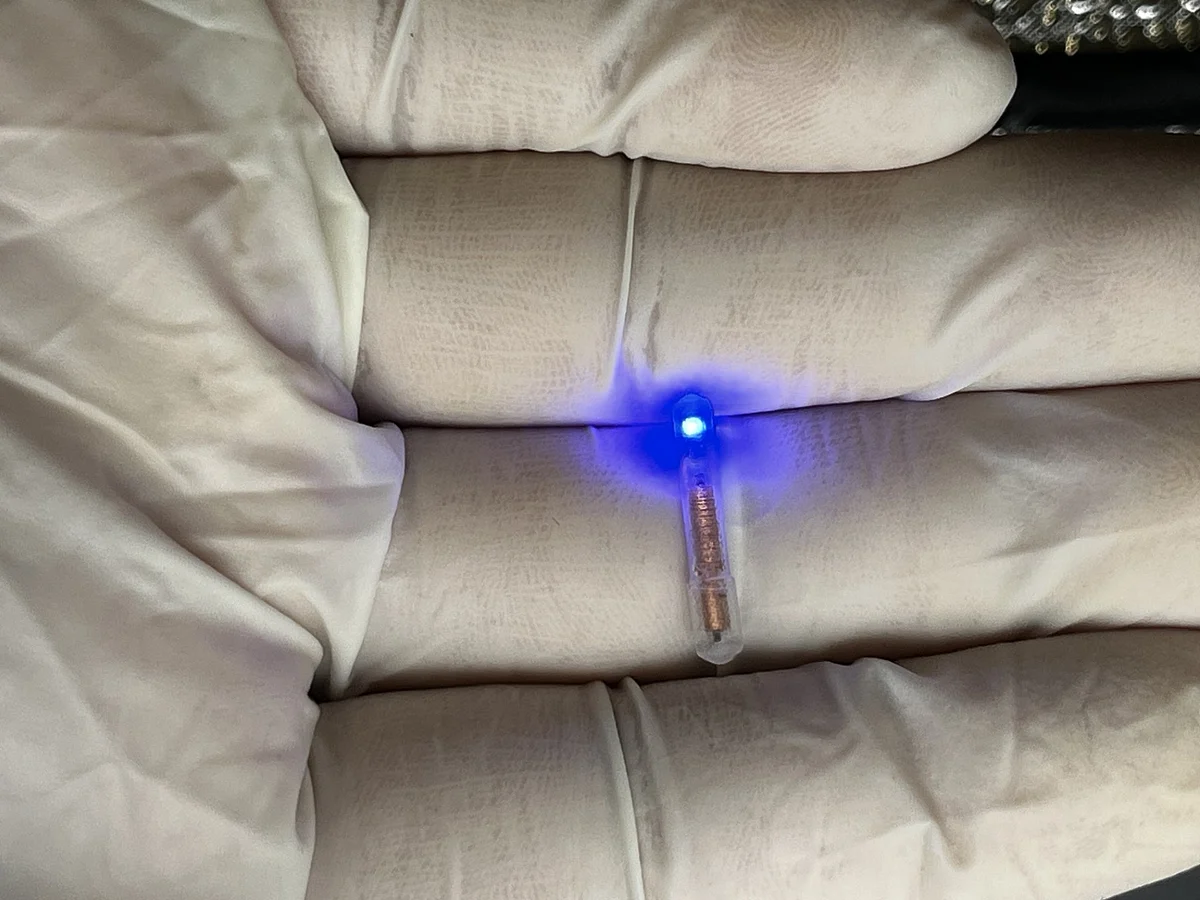
Named ICOPS, the device acts like a miniature flashlight inside the stomach. It has the potential to aid millions who endure gastrointestinal disorders that current medications struggle to treat effectively.
Globally, around 40% of adults experience digestive ailments such as chronic stomach pain, constipation, or slow food transit. Currently, doctors find it challenging to investigate these conditions due to the necessity of surgical procedures for internal observation.
Keep up with the latest updates. Follow KT on WhatsApp Channels.
“When it comes to studying neural functions in the gut, our methods are quite primitive,” stated Khalil Ramadi, the NYU Abu Dhabi professor spearheading the project. “We lack the proper tools for this research.”
This innovative pill changes the landscape. After doctors prepare specific gut cells to react to light, patients only need to swallow the capsule. The device then uses light to stimulate nerve cells that regulate digestion.
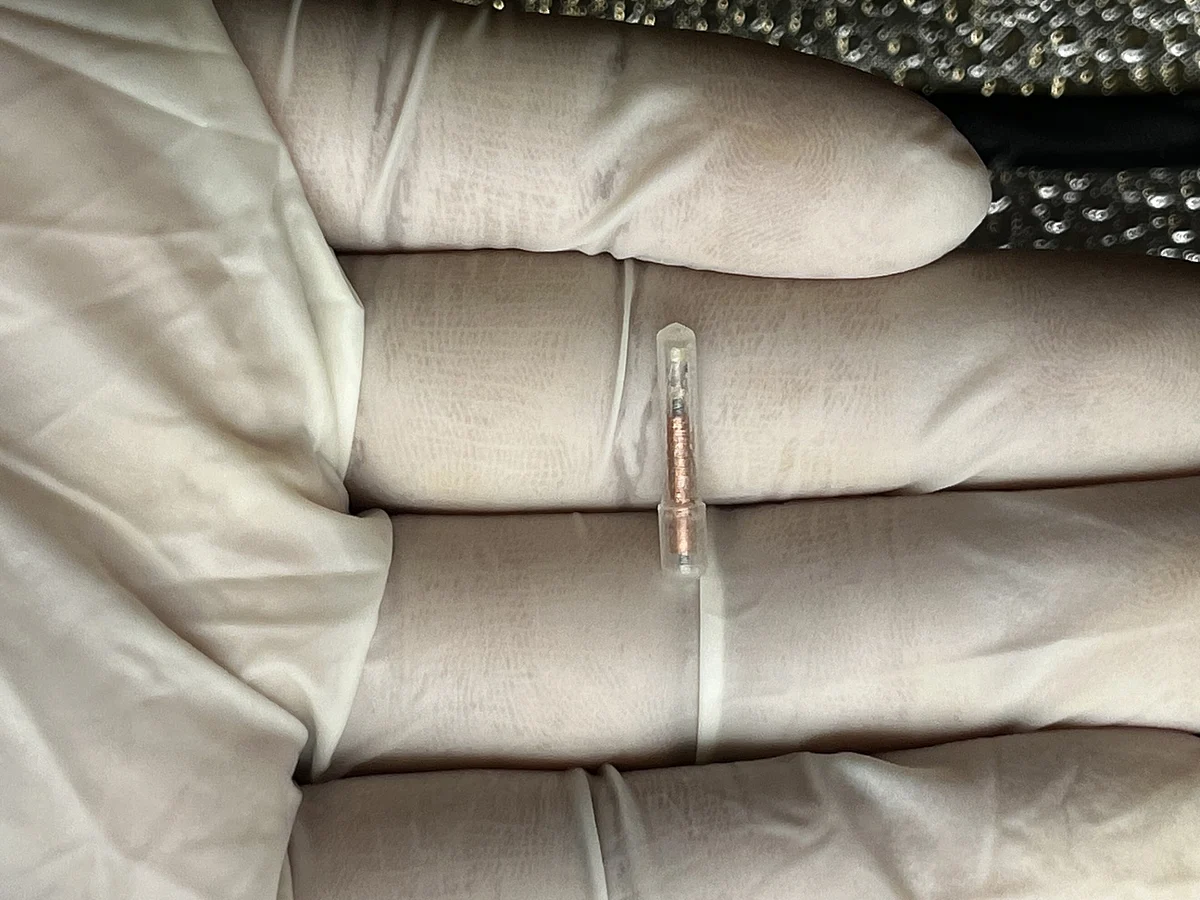
For patients, this ‘light pill’ could lead to new treatments for conditions like gastroparesis and severe constipation that are resistant to current therapies.
The device may also assist in managing metabolic disorders and eating issues by influencing how the gut communicates hunger and satiety signals to the brain.
Animal testing has shown promising results, published in the journal Advanced Materials Technologies. This research marks significant progress for the UAE’s burgeoning medical tech field.
The technology employs optogenetics, a method where light is used to control specific body cells. Though revolutionary in brain research since 2005, applying it to the stomach was previously challenging.
Nonetheless, human trials are still a few years off. The technology involves safely altering gut cells to be light-responsive, which demands thorough safety evaluations and regulatory clearance, experts note.
“You can make certain cells light-sensitive and swallow the light pill when you want to activate them,” Ramadi explained.
This UAE innovation is unique because it doesn’t require batteries. Instead, it draws power wirelessly from an external source, akin to wireless phone charging.
The team designed the entire device in their Abu Dhabi lab using 3D printing. Lead researcher Mohamed Elsherif highlighted that this makes the technology more accessible compared to traditional methods requiring costly clean rooms.
The research team comprises scientists from NYUAD and NYU’s New York campus, supported by UAE research funding. They aim to create future versions that could deliver medicine directly to specific areas of the digestive tract, pioneering a new class of smart medical devices developed in the UAE.