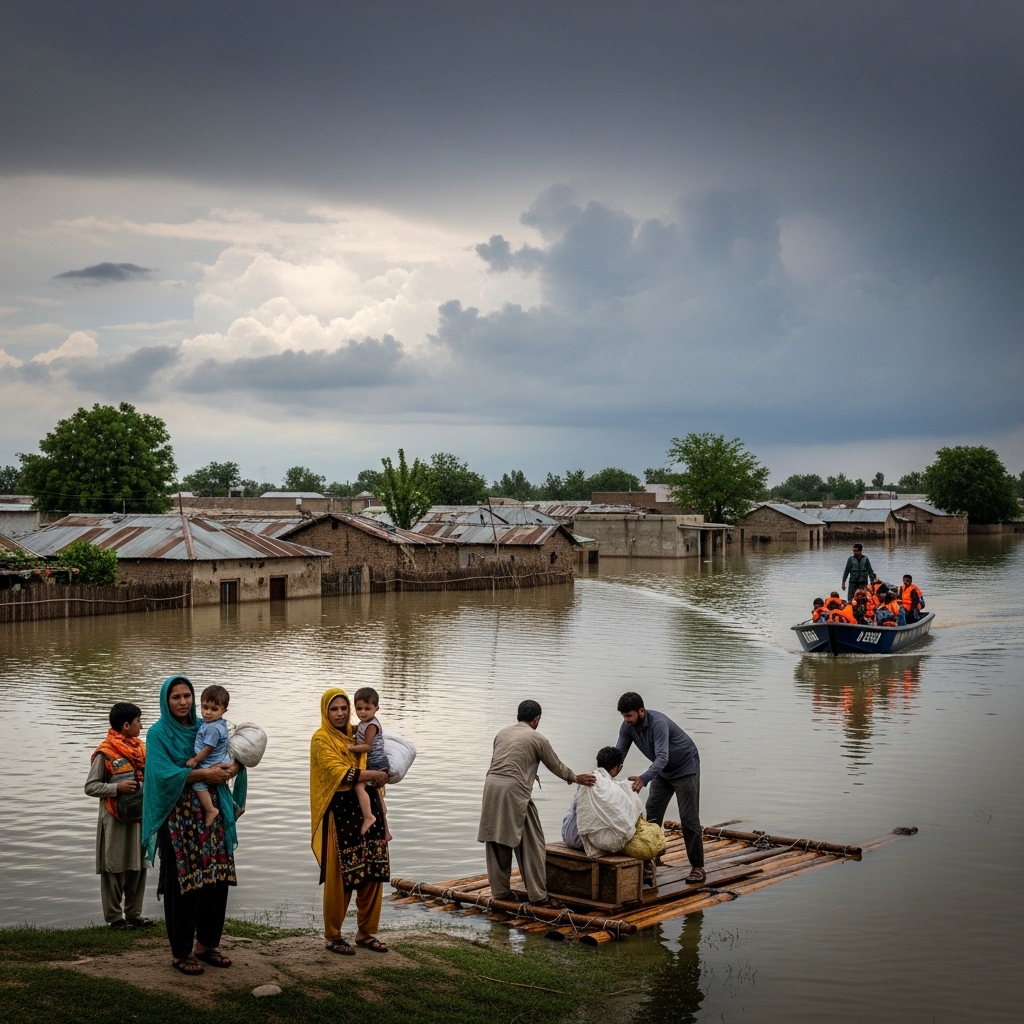
The devastating 2025 floods in Pakistan have triggered a severe humanitarian crisis. With over 1,037 lives lost, 1,067 injured, and 6.9 million affected, the disaster has decimated entire districts, destroying homes, livestock, and livelihoods. An estimated 2.8 to 3 million people have been displaced or evacuated, with 150,000 still housed in evacuation centers. The physical damage is extensive, with about 230,000 homes damaged or destroyed, 1.2 to 2.2 million hectares of cropland flooded, and 22,800 livestock lost, threatening food security and income for vulnerable communities.
As the disaster spread through Khyber Pakhtunkhwa and Punjab, isolating towns and overwhelming public health systems, Indus Hospital & Health Network (IHHN) became a pivotal responder. IHHN’s extensive grassroots reach and crisis management expertise made their intervention both immediate and lifesaving. This year’s catastrophic floods underscored the vital role of a healthcare network capable of reaching isolated populations due to rising waters and infrastructure collapse.
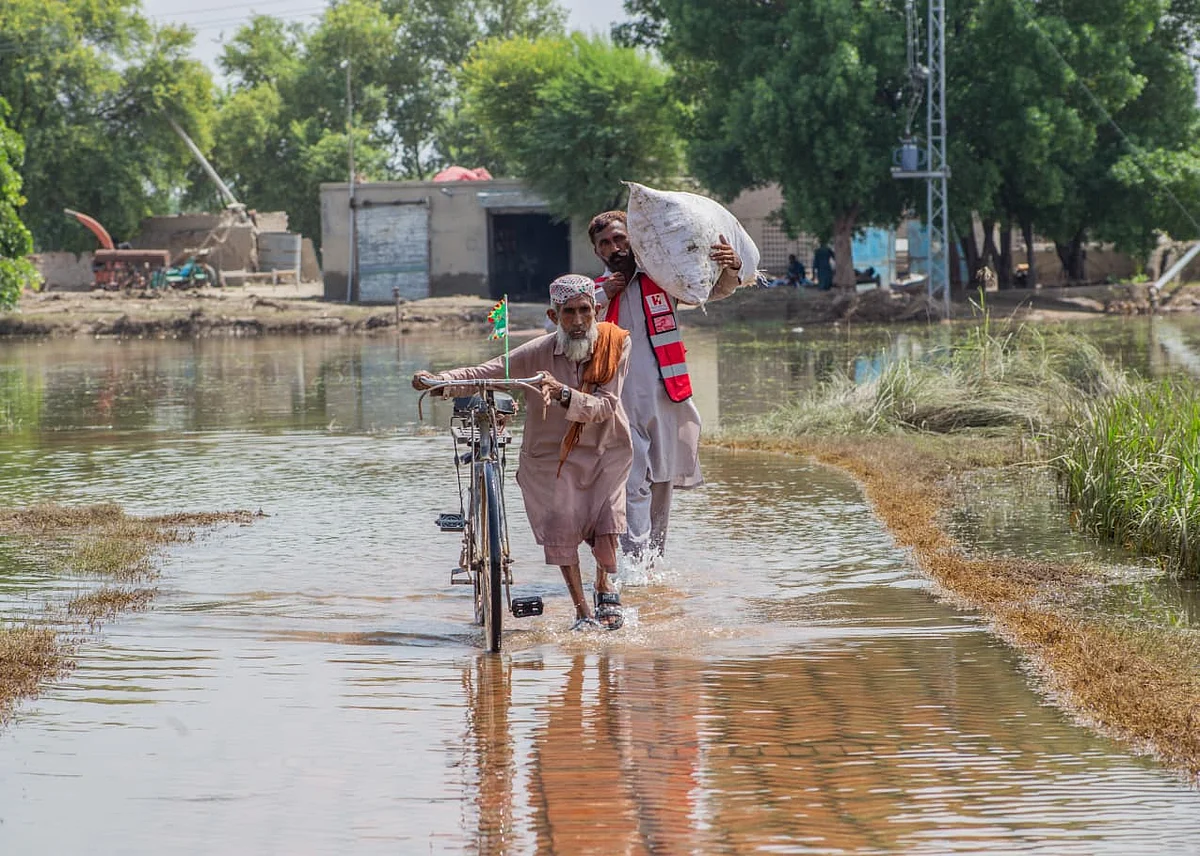
Among the most vulnerable during the floods were pregnant women, newborns, and young families, many cut off from essential maternal health services. Recognizing the urgency, IHHN deployed its specialized resource: Maternal Health on Wheels, a fleet of mobile units offering comprehensive maternal, newborn, and child healthcare directly to affected communities.
These advanced units feature equipped labor rooms, antenatal and postnatal care, MNCH services, primary health clinics, free medications, gynecological consultations, and mental health support for women and girls experiencing trauma. In response to the crisis, 15 Maternal Health Units were dispatched across flood-affected provinces.
From August to November, IHHN’s flood relief efforts delivered significant impact:
-
19 districts served in KPK and Punjab
-
835 camps organized
-
150,641 patients treated
-
1,770 medical visits conducted
-
22,867 lab tests performed
-
7 safe deliveries executed via mobile units
Behind these numbers are personal stories, like that of 28-year-old Taj Mai in Alipur, Muzaffargarh. For 15 days, gynecologist Dr. Misbah Khalid and her team were stationed at the Health on Wheels unit, offering continual maternal care where services had failed.
On October 23, Taj delivered a healthy baby boy in the mobile clinic.
“IHHN’s team and this facility are a miracle for us,” she expressed. “There’s no such facility here… Thanks to IHHN’s care, I safely delivered a healthy baby boy.”
After delivery, Taj received eight hours of postnatal care, free medication, a baby kit, and transport, services unimaginable in her flood-stricken area. “IHHN is here to help us during this critical time,” she added. “My family and I are very grateful.”
These stories embody IHHN’s mission: to reach those unreached, especially when public health systems are overstretched.
As IHHN continues its national flood response, its work is made possible by the support of individuals and institutions committed to equitable healthcare. Among its strongest supporters are The Indus Hospital’s trustees, donors, and community members in the UAE, whose steadfast commitment has been crucial in providing timely medical aid to flood-affected families in Pakistan.
The Indus Hospital, registered with Dubai Humanitarian in the UAE, plays a key role in supporting IHHN’s free treatments through fundraising, awareness, and community engagement. This aligns with the UAE’s commitment to global healthcare and humanitarian initiatives, reflecting its dedication to philanthropy and cross-border aid. This support has enhanced IHHN’s capacity to respond swiftly, compassionately, and effectively, offering hope to millions facing their toughest times.