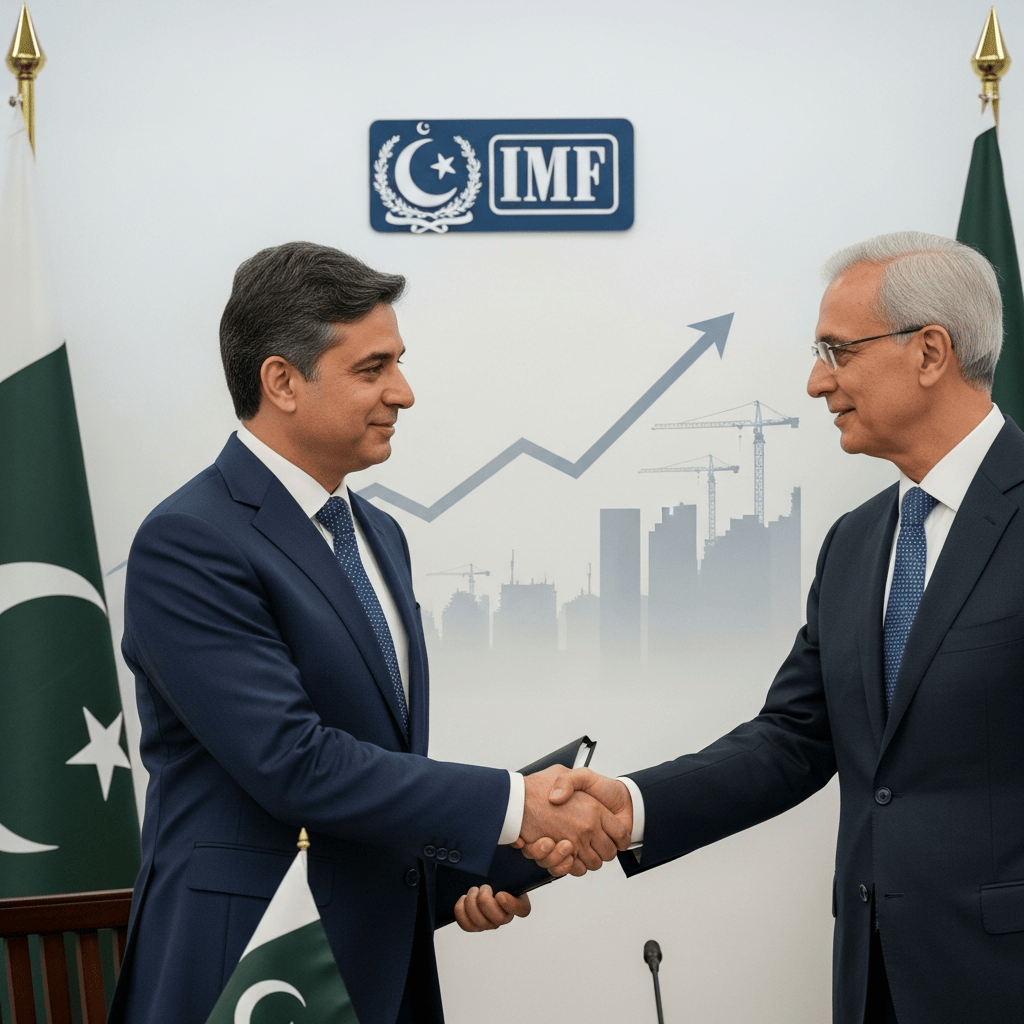
On Tuesday, Pakistan expressed its approval for the release of an additional $1.2 billion in loans from the International Monetary Fund, aimed at supporting its economic recovery and reform initiatives. This funding is seen as a testament to the “hard work” undertaken following two years of financial instability.
The IMF sanctioned the funds during a meeting in Washington on Monday, elevating the total amount dispensed under two loan programs—a bailout and a climate sustainability fund—to $3.3 billion.
“Pakistan’s commitment to reforms has maintained macroeconomic stability despite recent challenges,” stated the fund’s deputy managing director, Nigel Clarke, referencing last summer’s severe flooding.
Stay updated with the latest news. Follow KT on Whatsapp Channels
Prime Minister Shehbaz Sharif remarked that the new loans are “evidence that Pakistan is taking necessary steps for economic stability and growth.”
“Rescuing the nation from potential default and steering it towards stability and development required significant sacrifices,” he added.
In 2023, Pakistan narrowly avoided defaulting on its substantial debt by securing the IMF’s Extended Fund Facility, which will total $7 billion over the coming years.
The country is one of the largest IMF debtors, following Argentina and Ukraine. In January, it also obtained a 10-year, $20 billion financing package from the World Bank.
Economic growth is anticipated to reach 3.2% by the fiscal year ending June 2026, up from an estimated 3.0% last year.
Inflation is expected to average 6.3% this fiscal year, a significant reduction from the 23.4% average in the year to June 2024.
Clarke also stressed the need for further reforms, including the privatization of state-owned enterprises and ongoing investment in climate initiatives to mitigate “vulnerability to extreme weather events.”
In November, an IMF review requested by the Pakistani government highlighted “persistent and widespread corruption risks in a heavily state-dominated economy.”
Clarke reiterated the necessity for efforts to combat endemic corruption. As part of the agreement, Pakistan also committed to addressing issues like money laundering and alleged terrorism financing.