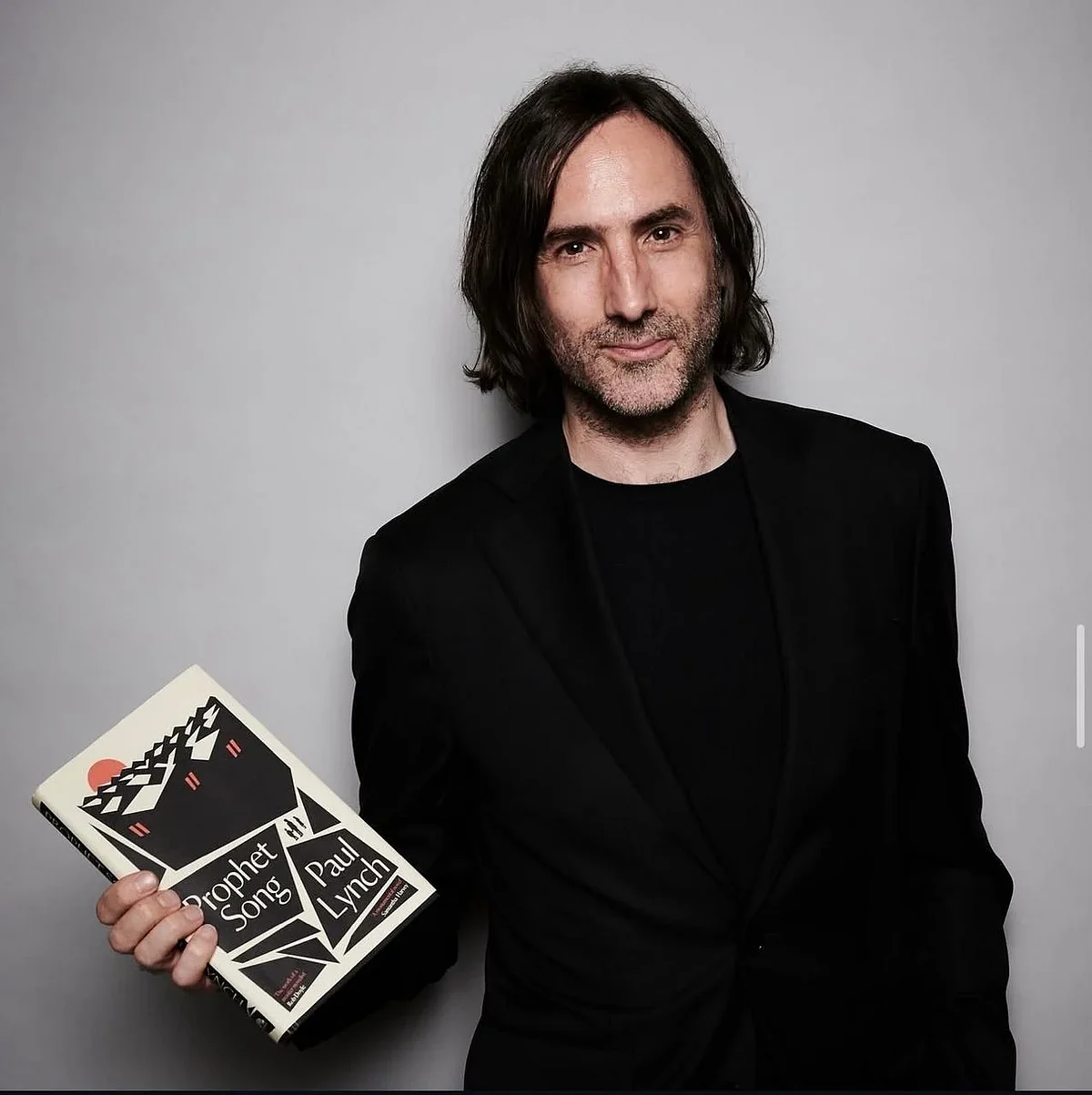
What is the experience of living under totalitarian rule? Irish author Paul Lynch provides insight in his 2023 Booker Prize-winning novel, Prophet Song. The novel immerses readers in a world where fear, powerlessness, and pervasive bleakness are so ingrained that they become a part of daily life. As Lynch prepares for his appearance at the Sharjah International Book Fair, he shares with City Times the enduring impact of living with the characters and themes long after they have been cemented in print. Here are edited excerpts from the interview:
Your novel Prophet Song explores how authoritarianism infiltrates daily life. What initially inspired you to write it?
When I began writing this book, I was contemplating our current state of chaos. Western liberal democracies are not as stable as we once believed, with many European countries shifting to the political right. I also considered our reaction to the influx of Syrian refugees in Europe and the ongoing humanitarian crises worldwide, which are likely to intensify with climate change. I was curious about where this might lead us. Prophet Song aims to convey our modern dread, much like how Beckett or Kafka did in their era.
Your work often focuses on the Irish context. How does Irish literature fit within global literature?
Irish fiction boasts numerous literary greats, and in the English language, we play a crucial role in world literature. Authors like Yeats, Joyce, and Beckett have profoundly influenced language and literary form. As writers, we are both blessed and burdened to follow such giants. Our unique strength may stem from English not being our native language, yet we have made it ours. We were colonized by the English, and in turn, we colonized the English language. The fusion of English with the Irish grammatical structure has given it new depth and dimension.
In politically turbulent times, what is the writer’s role?
As a fiction writer, I see the role of serious fiction as framing questions precisely. Novels aren’t meant to fix the world but to bear witness to it. The human condition is one of immense contradiction. We believe we are rational beings, yet our evolutionary past keeps us deeply irrational. Within each of us lies both the abyss and divinity. Under certain conditions, we might unleash the abyss, leading to oppression, war, and genocide. Yet we aim for the better sides of our nature. Civilization is the ideal, but tribalism remains an instinct. We destroy and create, oppress and shelter, while rationality and irrationality wage a constant battle within us. This duality makes humanity tragic, and literature essential. Every person is a universe of emotion and potential, and literature helps us confront the problem of suffering and the vitality of others.
How has your background as a film critic influenced your storytelling?
My imagination is highly visual, and I often write as if watching a film. As a newspaper film critic, I reviewed over a thousand films, learning much about narrative and storytelling. Even the most enigmatic films have a story to tell, a discipline I carry into my writing. Some writers believe that to be serious, one must abandon storytelling, but I find this notion strange. A truly great novelist can encapsulate the universe’s weight within a simple unfolding story. Crafting a true story requires dedication and skill, and I suspect those wary of narratives struggle to tell them.
In Prophet Song, silence plays a role. How do you use silence as a narrative tool?
I consider silence part of the unknown. Reality comprises what we don’t know. My fiction includes the unspoken, the unheard, and the unknown. I’m intrigued by philosophical blindness—acting in certainty yet always encountering the unexpected. We build our reality on belief, but in truth, we know very little. Fiction should help readers hear this silence and provide comfort in our ignorance. What lies beyond our understanding ties into the Sublime, evoking terror.
You’ve spoken about rewriting your books. How do you know when a novel is finished?
It’s hard to explain, but you just know. There’s a philosophical idea called the principle of sufficient reason—everything in its place for the right reason. I focus on that. Every aspect of a novel should converge around meaning, so I distill down to what’s essential. As Virginia Woolf noted, style is rhythm, so I spend time perfecting my fiction’s rhythm. Meaning is embedded in rhythm—the essence of life unfolding.
Fear is a key aspect of writing Prophet Song. How do you write about fear without overwhelming the reader?
I’m not interested in fear or darkness for their own sake. I’m drawn to nightmares and unsettling landscapes because they reflect reality. Prophet Song seeks to reveal a fundamental truth about human existence. I repeatedly ask: how much humanity is within a human being? In this novel, I wasn’t focused on collapse as a spectacle. I aimed for hyper-realism, drawing readers into the terror, fostering empathy with Eilish Stack, and capturing the personal cost of events. This is existential, not political writing. It takes readers into a realm of terror and fear. Every sentence is rooted in truth, and I hope readers find that truth necessary. Fiction can act like Medusa’s mirror, allowing us to confront fear without being consumed.
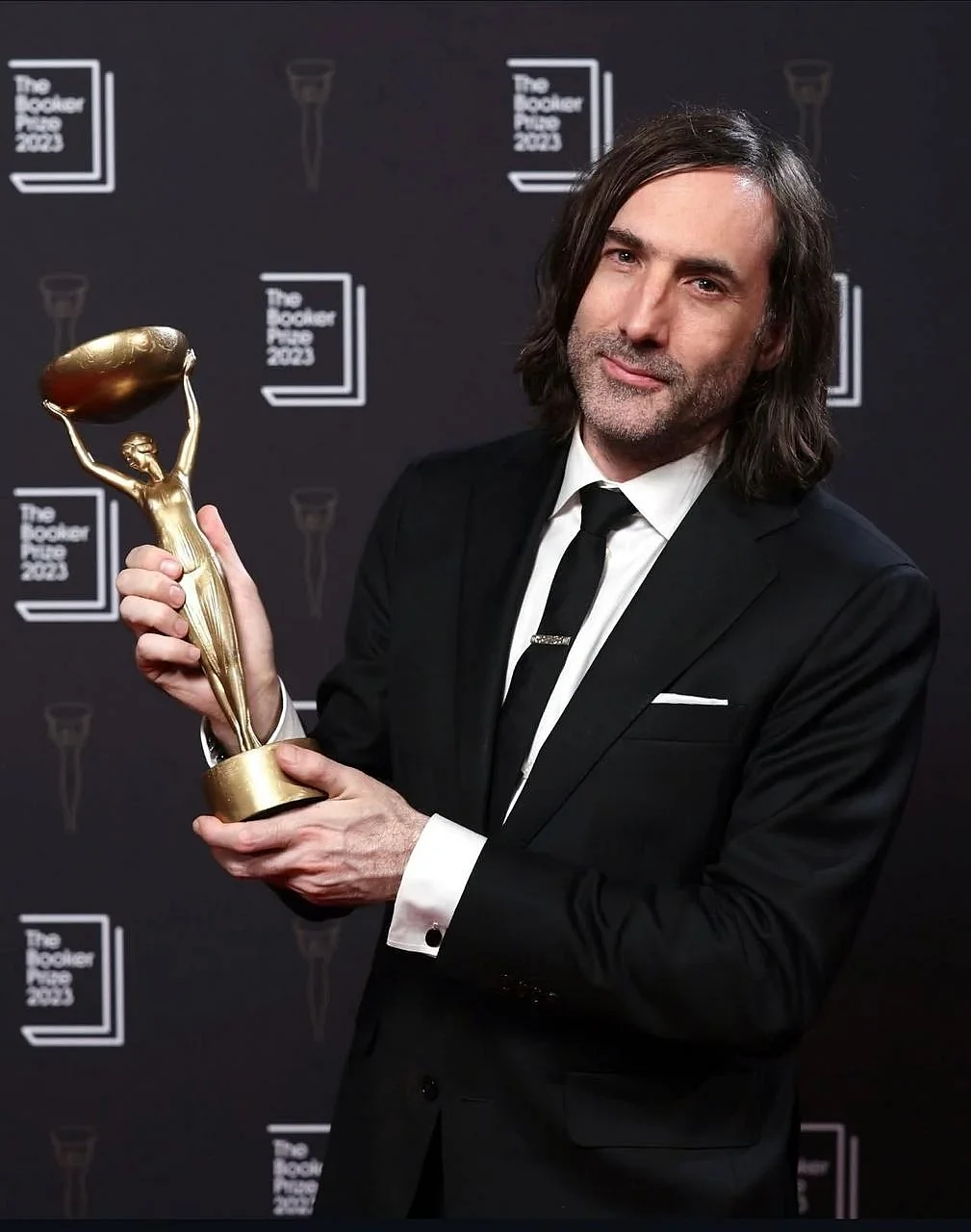
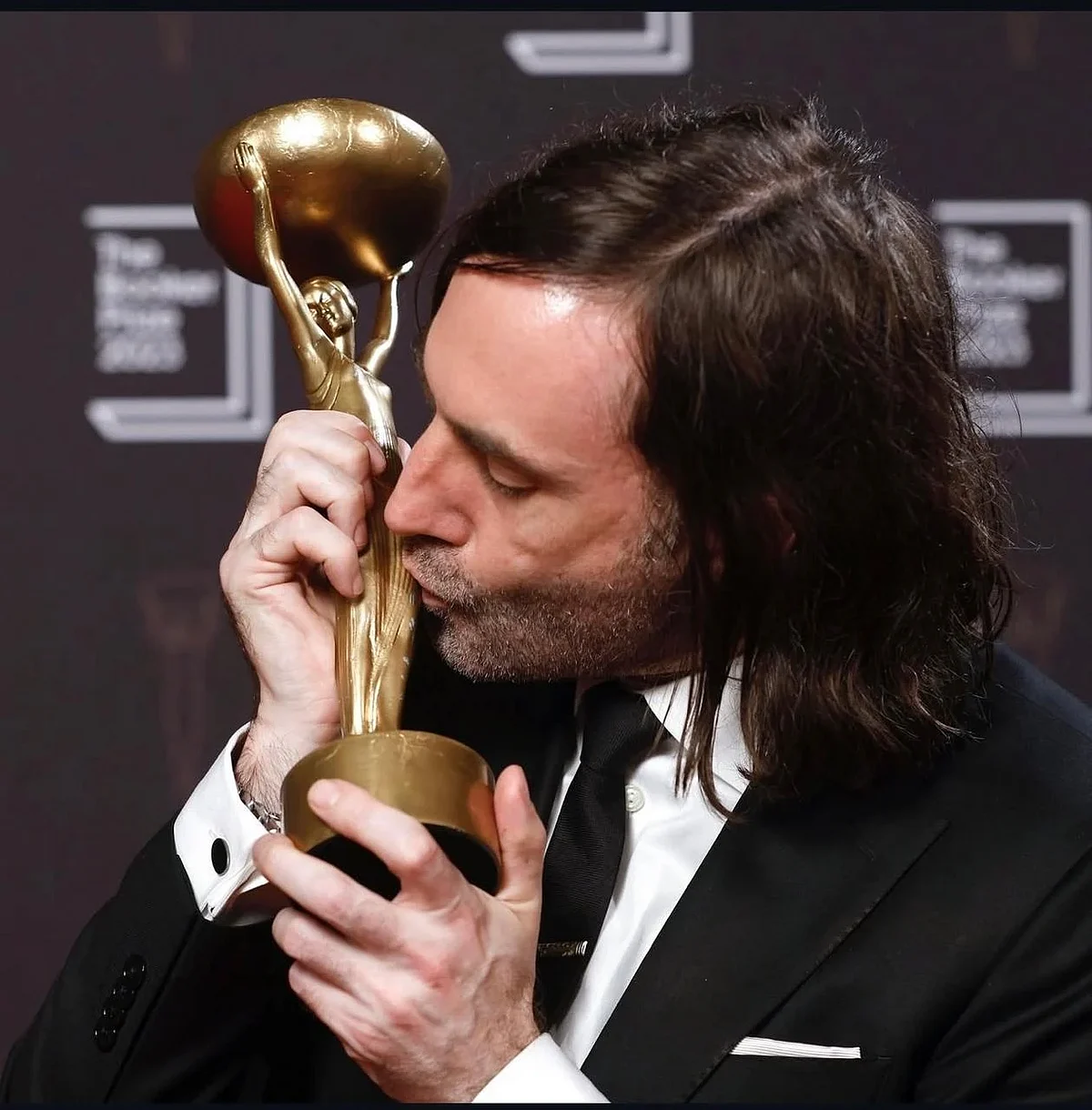
How has winning the Booker Prize affected you as a writer?
Winning the Booker hasn’t changed me internally. Facing a blank page still makes me feel as vulnerable as a novice. That will never change. However, the recognition has been a significant encouragement. The challenge of winning the Booker is it pulls you away from writing. I’ve been discussing Prophet Song for two and a half years, which is a long time to be away from the desk. Fortunately, I’m mostly back to working on a new novel now.