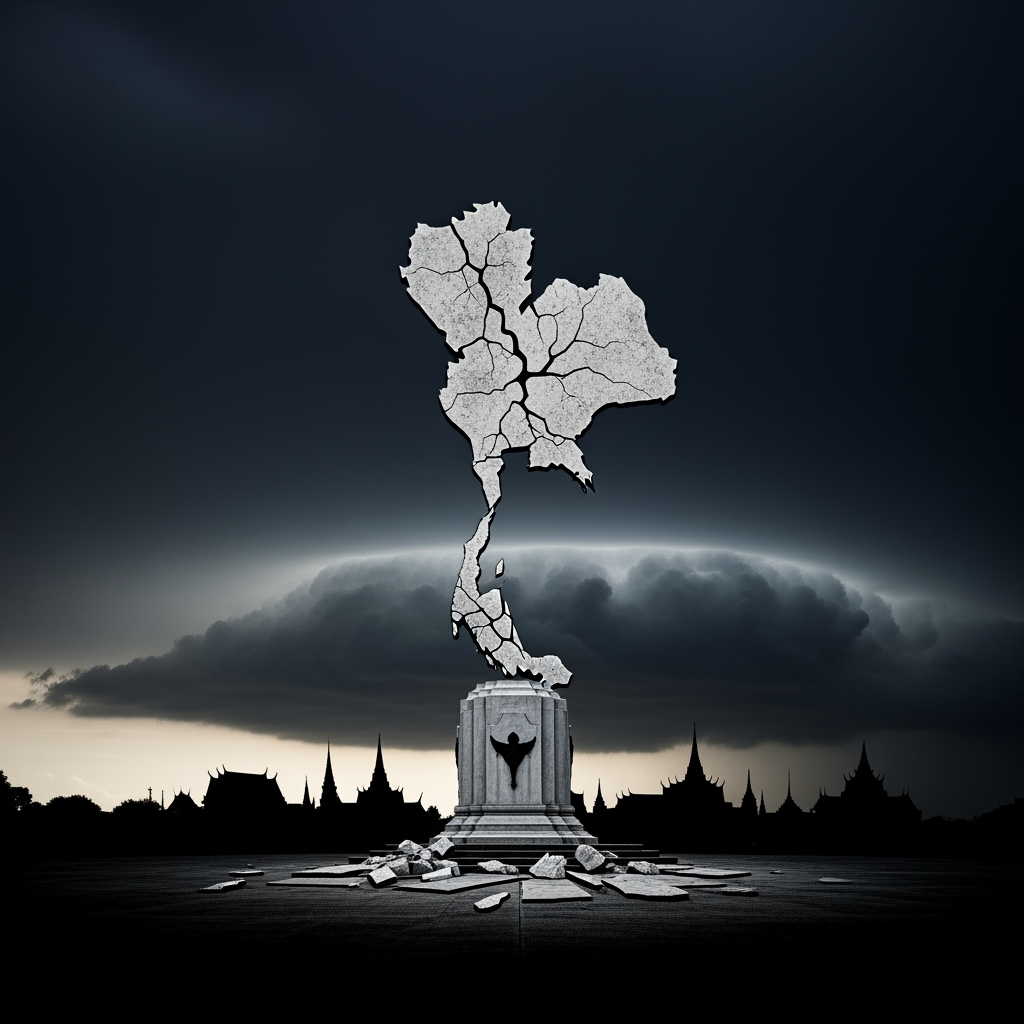
On Friday, Thailand’s Constitutional Court removed Prime Minister Paetongtarn Shinawatra from office due to an ethics violation after a one-year tenure, marking another setback for the Shinawatra political dynasty and potentially leading to further unrest.
Paetongtarn, Thailand’s youngest prime minister, is now the sixth leader from the Shinawatra family or its allies to be ousted by military or judicial actions, amid a prolonged power struggle between Thailand’s elite factions.
The court’s decision cited a breach of ethics during a leaked phone call in June, where Paetongtarn appeared to show deference to Cambodia’s former leader Hun Sen amidst rising border tensions.
Stay updated with the latest news. Follow KT on WhatsApp Channels.
Conflict erupted weeks later, lasting five days. The verdict opens the path for parliament to elect a new prime minister, a potentially lengthy process as Paetongtarn’s Pheu Thai party struggles to maintain a fragile coalition with a slim majority.
This ruling abruptly ends the leadership of Thaksin Shinawatra’s daughter and protégé, Paetongtarn, 39, who was a political newcomer thrust into prominence following the unexpected removal of her predecessor, Srettha Thavisin, by the same court the previous year.
Paetongtarn has apologized for the leaked call, stating she aimed to prevent war.
She is the fifth prime minister in 17 years to be removed by the Constitutional Court, highlighting its pivotal role in the ongoing power struggle between the Shinawatra-led governments and a powerful conservative and royalist establishment.
Who will succeed Paetongtarn?
The attention now turns to Paetongtarn’s successor, with Thaksin expected to play a key role in coalition negotiations to keep Pheu Thai in leadership.
Deputy premier Phumtham Wechayachai and the current cabinet will manage the government until a new prime minister is elected by parliament, with no set deadline for the decision. Among the five eligible candidates is Chaikasem Nitisiri, a 77-year-old former attorney general from Pheu Thai with limited political exposure. Others include ex-premier Prayuth Chan-ocha, who retired from politics after leading a military coup in 2014, and Anutin Charnvirakul, who left Paetongtarn’s coalition over the leaked call.
This ruling plunges Thailand into political uncertainty amid public dissatisfaction with slow reforms and an economy projected to grow by just 2.3% this year.
A Pheu Thai-led government would likely form a narrow coalition facing frequent challenges from a strong opposition advocating for early elections.
“Appointing a new prime minister…will be challenging and may take significant time,” said Stithorn Thananithichot, a political scientist at Chulalongkorn University.
“Aligning all parties’ interests won’t be easy,” he added. “Pheu Thai will face difficulties.”