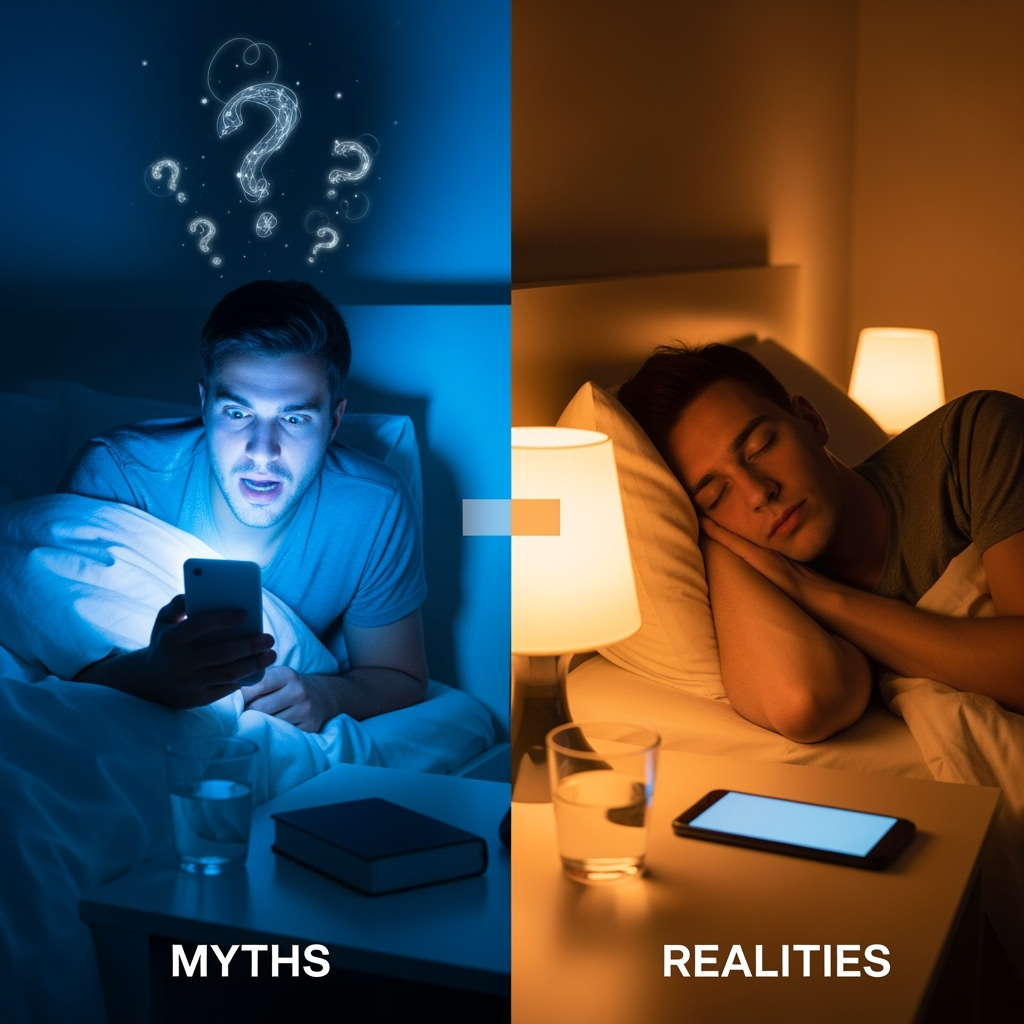
For a long time, experts have cautioned about the impact of blue light before bedtime. Exposure from devices like smartphones, TVs, and laptops can reduce melatonin production, a hormone that induces sleepiness. This makes you more alert, complicating your ability to fall and stay asleep.
However, the connection between blue light and sleep is more complex than initially believed, says Lauren E. Hartstein, an assistant professor of psychiatry at the University of Arizona. Hartstein and other researchers have revisited the evidence, suggesting blue light alone might not cause sleep issues. In some instances, screen use could even facilitate sleep.
Here’s what research on blue light really indicates and tips to improve your sleep:
Research on blue light and sleep is varied
Many blue light studies are outdated and limited by small sample sizes. Often conducted in controlled lab settings, their results may not apply to real-world scenarios, according to Dr. Hartstein.
While it’s known that blue light can reduce melatonin, current evidence suggests screen use doesn’t always lead to this reduction. Mariana Figueiro, a scientist at the Icahn School of Medicine at Mount Sinai, notes that factors like duration of use, proximity to eyes, and brightness can influence melatonin levels. For instance, a 2013 study showed two hours of iPad use at full brightness slightly lowered melatonin, while one hour had no effect. Another study in 2014 found watching TV from nine feet away didn’t affect melatonin, and a 2018 study showed higher brightness may suppress melatonin more than lower brightness.
Daytime activities may also impact night-time melatonin levels. Some research suggests that more daylight exposure could reduce susceptibility to evening melatonin drops.
Sensitivity to blue light varies among individuals, Dr. Hartstein adds. A 2019 study found one person needed 40 times more light exposure to achieve the same melatonin suppression as the most sensitive participant.
Whether screen-induced melatonin suppression significantly impacts sleep remains unclear, Dr. Figueiro says. Sleep disruptions after screen use could stem from other factors like caffeine, stress, or a snoring partner.
Study results are often mixed. A 2022 review of studies on young adults found many showing no link between blue light and poor sleep, though some did. In 2022, the National Sleep Foundation concluded there wasn’t enough evidence that pre-bedtime blue light exposure impairs sleep.
“More research is needed,” says Allison Harvey, a clinical psychologist at the University of California, Berkeley.
Screen usage habits matter
The impact of screens on sleep may depend on how they’re used, Dr. Hartstein notes. Interactive activities like video gaming, social media, shopping, and gambling are particularly disruptive, engaging the brain’s reward system and keeping you awake, says Dr. Daniel Buysse, a sleep-focused psychiatrist at the University of Pittsburgh. Social media is especially concerning due to its immersive design.
Both rewarding activities, like chatting or gaming, and distressing ones, like scrolling through unsettling news, can stimulate the brain, making sleep difficult, Dr. Hartstein explains.
While you can turn off devices, “you can’t turn your brain off,” she says.
A 2024 study of 500 15-year-old boys found those who engaged in talking, texting, or gaming before bed slept later and for shorter periods than those who didn’t.
The impact of other screen activities, like watching TV or reading, on sleep is less clear, Dr. Hartstein says. It may depend on the content. Starting a suspenseful drama is likely to disrupt sleep more than revisiting a familiar series, states Dr. Harvey. Knowing the outcome makes it easier to stop and sleep.
The 2024 study found no sleep differences in boys watching TV or movies before bed, though it didn’t specify the content type.
Some screen use might aid sleep
For those battling negative thoughts at bedtime, certain TV shows or reading relaxing material might help. The content should distract from negative thoughts but not be too stimulating.
The ideal choice is something positive and familiar, like a scripted comedy, claims Aric Prather, a psychologist treating insomnia at the University of California, San Francisco. For one patient, “It’s Always Sunny in Philadelphia” is the perfect “rumination killer.”
Whatever you choose to watch or read, avoid doing it in bed, Dr. Hartstein advises. This separation helps your brain associate the bed with sleep.
Ultimately, your screen habits might not affect your sleep at all, Dr. Hartstein adds. If you can fall asleep quickly, sleep well, and feel rested, there’s no need to change your habits.
“If you’re able to fall asleep quickly and sleep well, there’s no need to constantly adjust your behavior,” she says.
(Caroline Hopkins Legaspi is a reporter for The New York Times, focusing on nutrition and sleep.)
The article originally appeared in The New York Times.