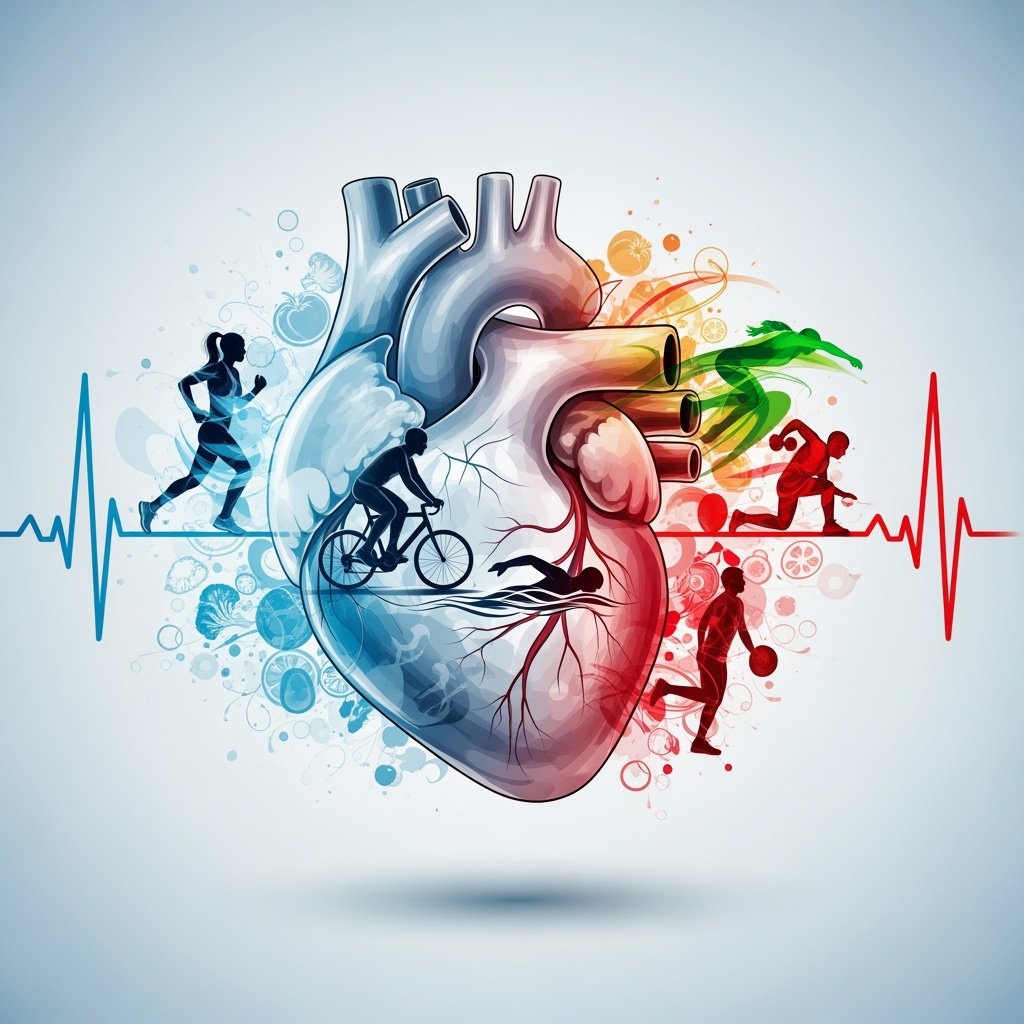
The heart faces numerous health risks, as cardiovascular diseases remain the leading cause of death worldwide, accounting for nearly one-third of all deaths. Heart health is affected by factors such as inactivity, poor nutrition, and chronic stress. This is where the science of biokinetics comes into play, using principles of movement science for rehabilitative and preventive healthcare. Biokinetics specialists conduct comprehensive assessments to develop evidence-based individualized exercise programs. The goal is to improve functional capacity and enhance the strength of the musculoskeletal system, as well as overall physiological health. For biokinetics specialists, exercise is considered medicine; they work closely with patients to design customized, safe, and clinically appropriate exercise protocols. Studies indicate that regular exercise lowers blood pressure, improves cholesterol levels, regulates blood sugar, and helps the heart work more efficiently.
The scientific journal “Science Alert” cited specialists who authored research papers on nutritional knowledge, cardiac rehabilitation, quality of life, and cardiovascular disease risks in coronary artery bypass patients. They recommended four golden tips for maintaining heart health.
While routine activities like walking in malls or climbing stairs are beneficial, structured exercises offer greater cardiovascular benefits. Current guidelines recommend at least 150 minutes of moderate-intensity aerobic exercise weekly, such as brisk walking, cycling, and dancing. These exercises improve metabolic health and reduce cardiovascular disease risks.
Many cardiovascular diseases develop silently; often, high blood pressure, glucose levels, and cholesterol go unnoticed until a serious event, like a heart attack, occurs. Modern life encourages prolonged sitting at desks, in cars, and in front of screens. Prolonged sedentary behavior is independently associated with an increased risk of cardiovascular diseases and all-cause mortality.
Chronic stress contributes to inflammation, high blood pressure, and unhealthy behaviors, all of which increase the risk of cardiovascular diseases. While meditation and psychological counseling are essential tools, exercise is an effective stress regulator, boosting endorphin release and improving mood, sleep, and emotional resilience.