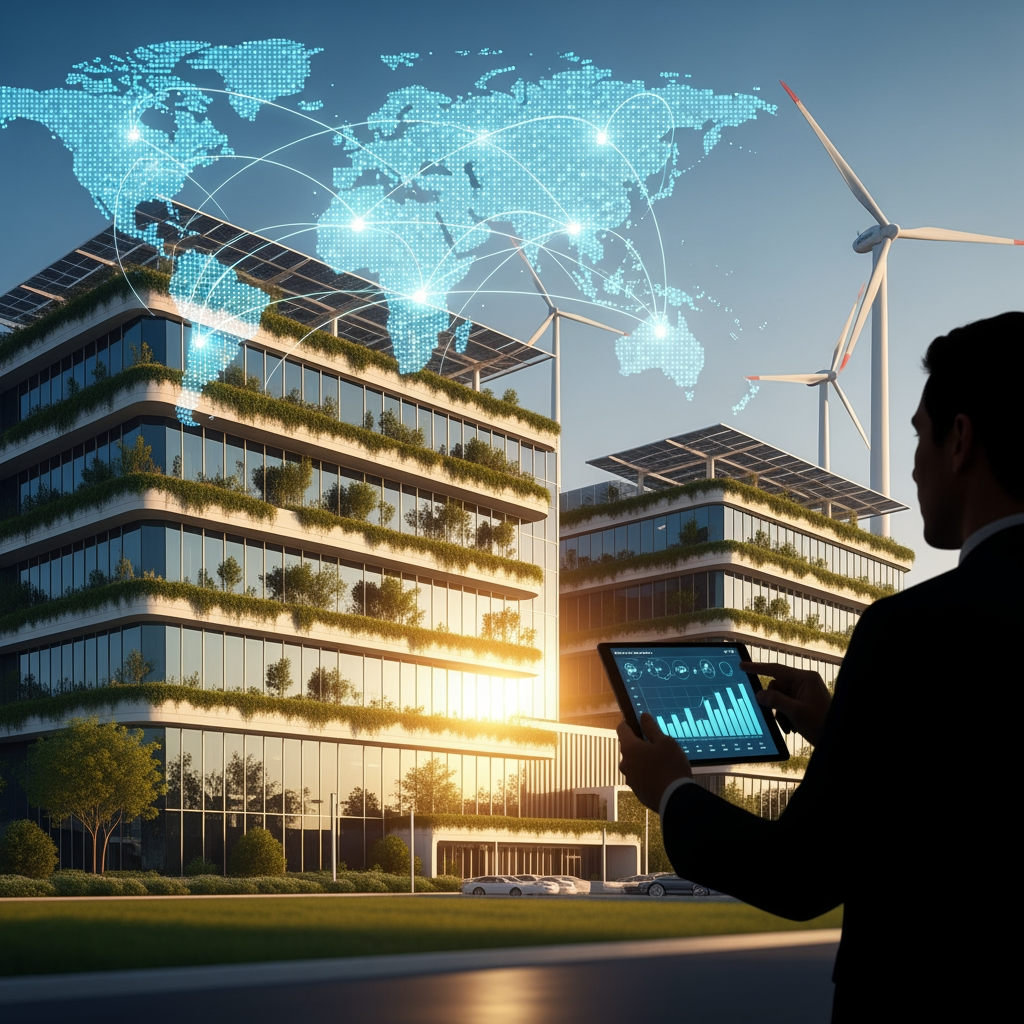
As artificial intelligence and cloud workloads grow, the infrastructure supporting them—known as “super data centres”—is becoming the backbone of the digital era. These massive campuses, drawing hundreds of megawatts or even gigawatts of power, are evolving from mere technological assets to crucial national infrastructure. The pressing question for countries is: how can they expand such energy-intensive facilities while ensuring resilience, cost-effectiveness, and environmental sustainability?
Analysts like Mordor Intelligence and PwC project that data centre capacity in the Middle East and North Africa (MENA) will more than double in the next five years, reaching 3.3 gigawatts by 2030. This growth underscores the increasing strategic and economic significance of digital infrastructure in the region.
Global investment trends echo this shift. Bank of America predicts that investments in data centres and digital infrastructure will surpass $500 billion by 2025, highlighting their vital role in supporting the digital economy. This investment surge was a focal point at ‘Super Data Centres × GITEX Global’, where industry leaders discussed sustainable, efficient, and future-ready computing.
UAE’s Integrated Energy Vision
“The UAE is proactively preparing its energy infrastructure for AI-driven power demand,” states Elisabetta Baronio, Senior Programme Manager – ESG at Khazna Data Centres. “This strategy aligns digital transformation goals with national energy initiatives.”
Programs like UAE Net Zero 2050 and substantial investments in solar and nuclear energy are central to this vision. “The nation is ensuring scalable and sustainable growth for future data centres,” Baronio continues.
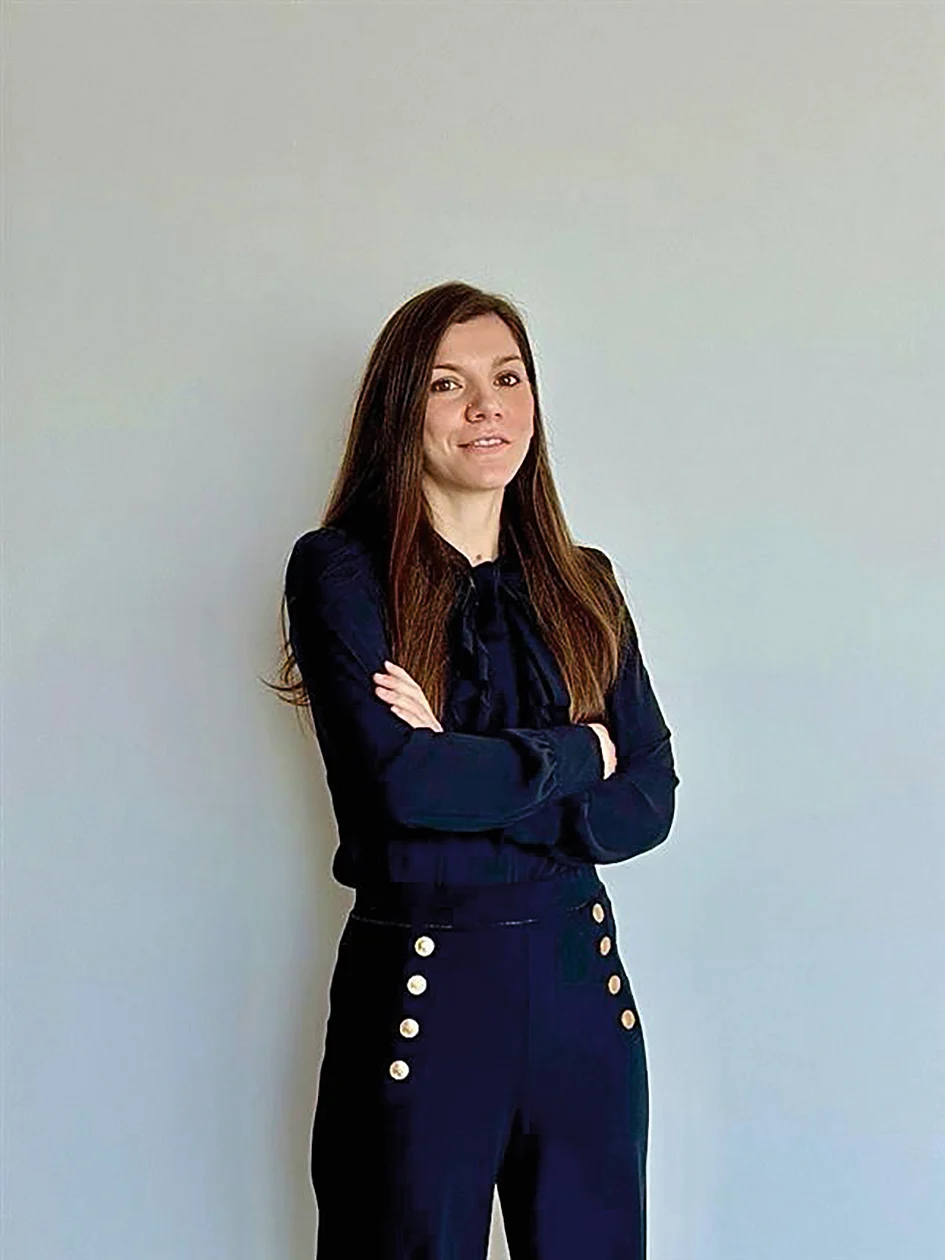
Elisabetta Baronio, Senior Programme Manager – ESG at Khazna Data Centres.
“Collaboration among government, energy providers, and digital infrastructure players is key. This ecosystem approach allows us to design and operate facilities optimized for high-density AI workloads, aligning with our carbon neutrality objectives.”
By embedding sustainability into its digital infrastructure, the UAE is setting a benchmark for responsible AI readiness, Baronio believes.
Moro Hub, part of Dubai Electricity and Water Authority’s (Dewa) Digital Dewa initiative, anticipated the AI and cloud revolution years ago. “At Moro Hub, we foresaw the AI-driven surge in data demand and strategically aligned our infrastructure for sustainable operations,” says Mohammad bin Sulaiman, CEO of Moro Hub.
“We focus on integrating renewable energy and intelligent power management across our operations,” he explains. “The world’s largest solar-powered data centre, recognized by Guinness World Records, exemplifies this vision.”
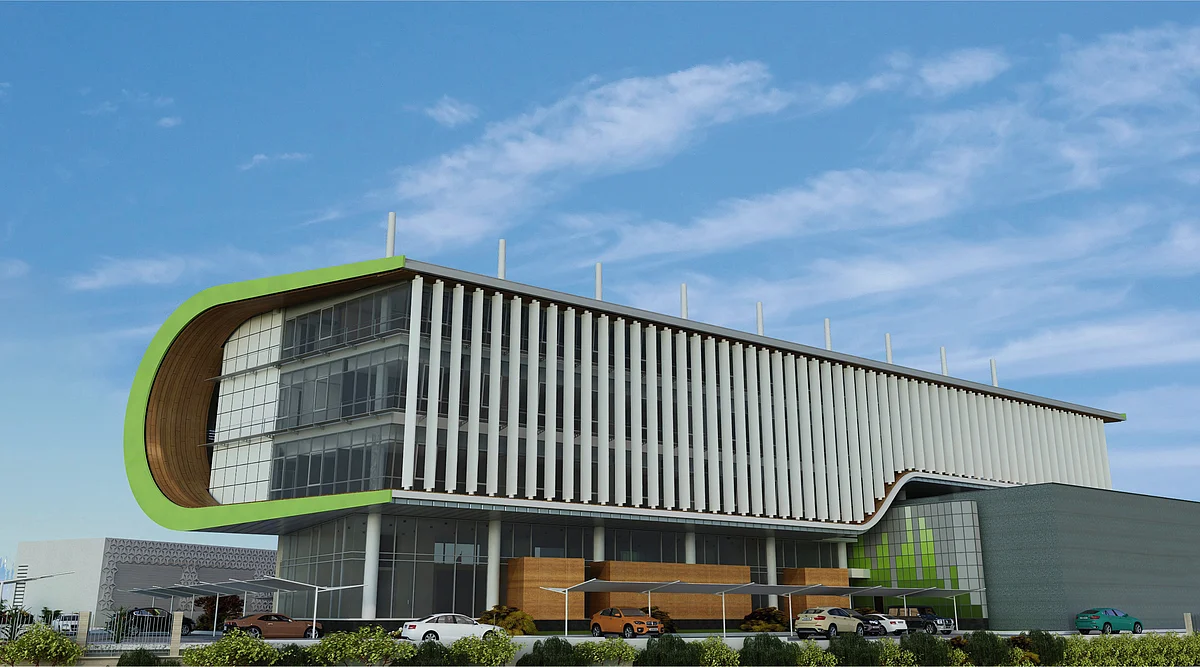
This facility, powered entirely by clean energy, serves as a model for next-generation AI infrastructure, effectively combining renewable energy sources with AI-driven workload management. “Combining clean energy with AI-driven monitoring and predictive analytics allows us to manage workloads efficiently while ensuring sustainable power for high-density AI and cloud operations,” Bin Sulaiman adds.
The company’s strategy aligns with the UAE Net Zero 2050 Strategy and the Dubai Clean Energy Strategy 2050, both aiming for 75% clean energy by mid-century. “We support a future-ready digital ecosystem,” notes Bin Sulaiman.
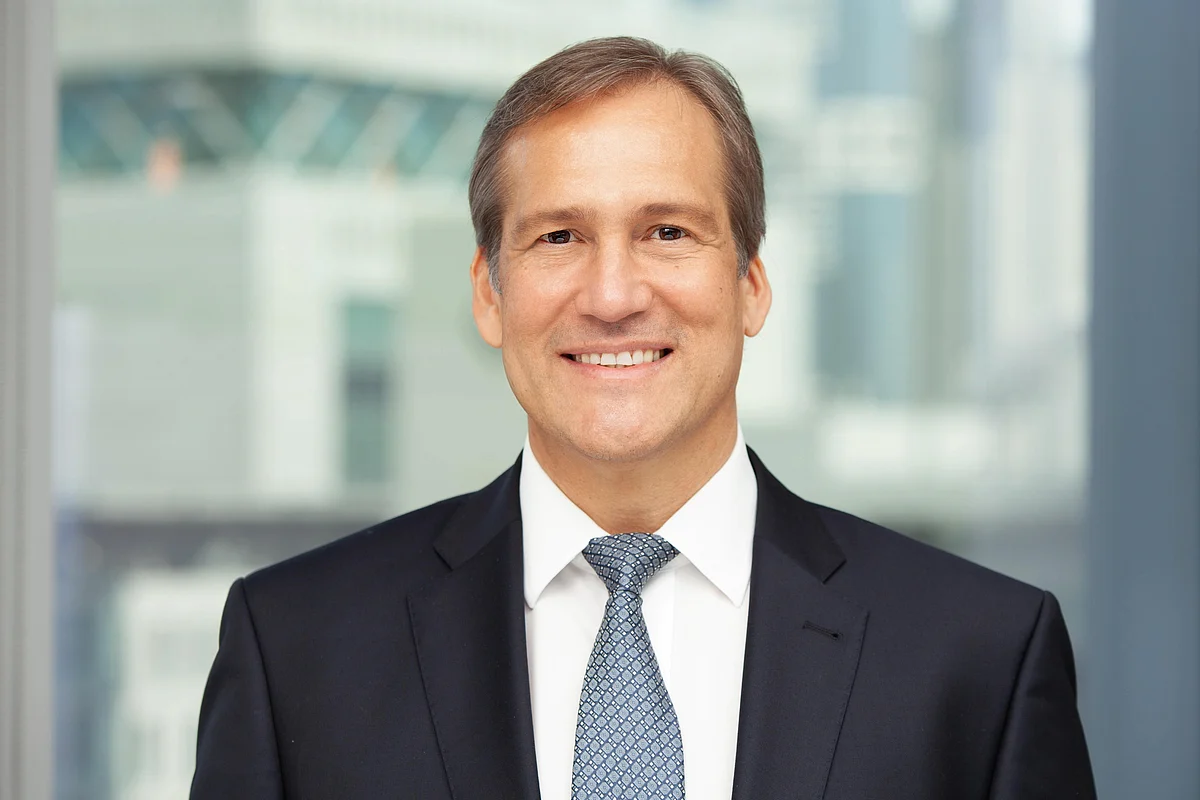
Alexander Sarac, Partner – Infrastructure Projects and Energy at Addleshaw Goddard.
From an investor perspective, the UAE’s positioning is enviable. Alexander Sarac, Partner – Infrastructure Projects and Energy at Addleshaw Goddard, highlights the country’s strategic advantages. “The UAE is well-positioned for future demand and poised to become a regional and global data centre hub,” Sarac says. “With a stable government, solid infrastructure, accessible land, and access to affordable renewable and conventional energy, the UAE is uniquely advantaged.”
Balancing Scale, Sustainability
As the UAE accelerates digital transformation and pursues ambitious net-zero goals, powering an expanding data economy without compromising sustainability is a key challenge. Data centres, among the most energy-intensive facilities, are being reimagined in the UAE as models of energy efficiency and environmental responsibility.
“Balancing scale with sustainability is a critical challenge and opportunity for the UAE as it builds its digital economy,” says Baronio. “Large-scale data centres must integrate sustainability and efficiency from the outset.”
This design-first approach is shaping new facilities across the Emirates. Advanced cooling systems for the harsh climate, the use of recycled water, and modular construction techniques to reduce waste are becoming standard.
“AI plays a vital role in energy optimization, allowing us to fine-tune performance and reduce consumption,” Baronio adds. “Direct liquid cooling, clean energy integration, and predictive maintenance are becoming standard. What matters is not just building for capacity, but building for longevity, requiring both innovation and accountability.”
For Moro Hub, sustainability is embedded in every layer of design and operation. Bin Sulaiman explains how technology is reshaping data centre efficiency.
“Moro Hub uses AI, IoT, and smart grid technologies to enhance energy optimization and predictive maintenance,” he says.
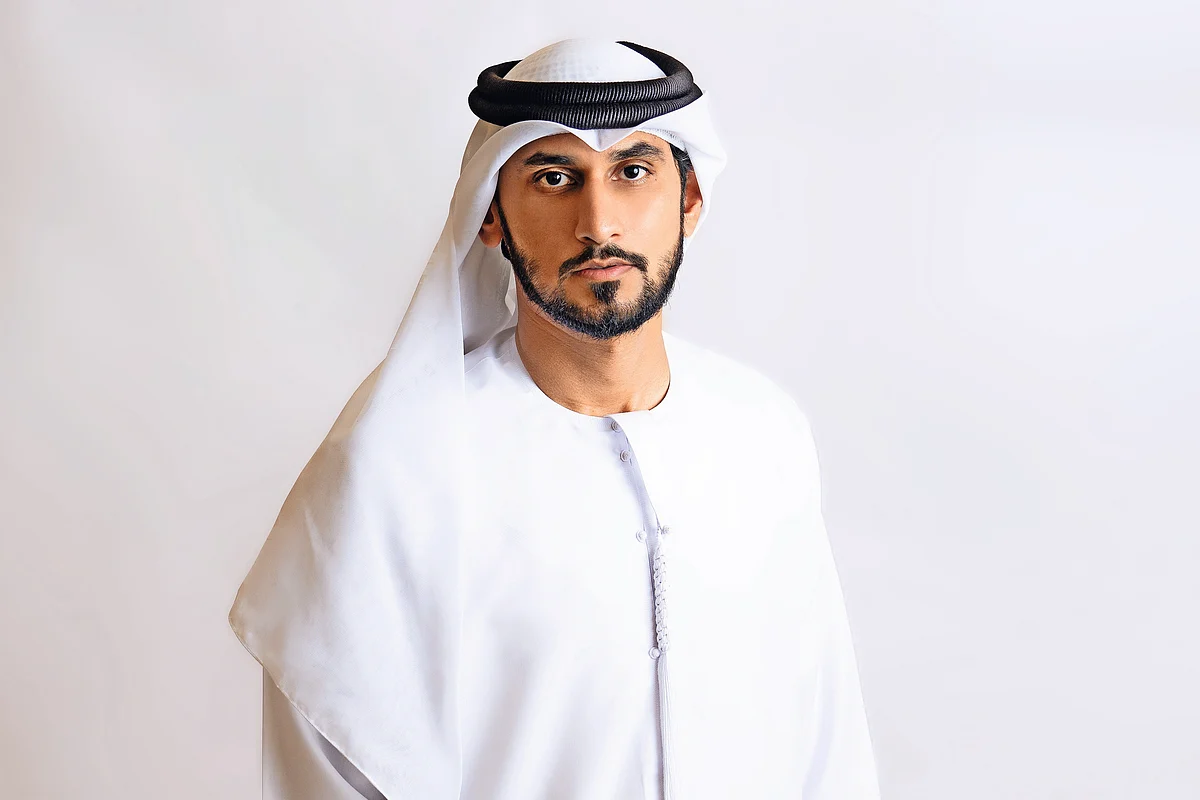
Mohammad bin Sulaiman, CEO of Moro Hub
“Our AI algorithms analyze power usage patterns to balance loads, reduce waste, and optimize cooling systems.”
The strategy extends beyond intelligent operations. “We invest in next-gen liquid cooling, modular design, and renewable energy to lower our carbon footprint,” Bin Sulaiman adds.
“This approach delivers high-performance computing while adhering to environmental and operational standards.”
While efficiency and automation are crucial, the energy mix powering these facilities is key to long-term sustainability. Sarac emphasizes: “Data centres are technology-agnostic; they require power to function. The UAE benefits from conventional power stations and is a leader in solar power deployment.”
Sarac envisions a future where renewable energy and storage technologies underpin the region’s data infrastructure.
“The future for data centres in the GCC involves solar power with battery storage or green hydrogen generation as backup,” he explains.
“Procurements for battery storage are underway, with visionary governments and companies like Dewa and Taqa implementing them. The challenge is no longer technology, but reducing costs and investing in innovative storage solutions already on the regional radar.”
A New Era of Clean Energy Powered Hyperscale Data Centres
As the global digital economy accelerates, the race to build hyperscale data centres aligned with net-zero ambitions intensifies. “The UAE is uniquely positioned to pioneer clean-energy-powered hyperscale data centres,” said Baronio. “With its solar capacity and reliable nuclear power, operators can access a balanced, low-carbon energy mix that many regions lack.”
According to Baronio, long-term coordination between data centre operators and energy providers is crucial to aligning growth with clean energy availability.
“We work with energy providers to ensure our growth supports the UAE’s sustainability goals,” she added. “The emerging model here could be a blueprint for clean digital infrastructure in high-growth regions.”
Moro Hub operates a “green data centre” powered entirely by clean energy. “This model already exists,” affirmed Bin Sulaiman.
“Moro Hub’s Green Data Centre is a blueprint for hyperscale facilities powered entirely by clean energy. It extends beyond conventional green initiatives to create an ecosystem uniting sustainability, digital innovation, and operational excellence.”
Through strategic partnerships with global technology providers and direct access to Dewa’s renewable infrastructure, Moro Hub enables hyperscale operators to meet data demands while advancing ESG commitments. “Our green data centre platforms provide direct access to clean energy,” Bin Sulaiman explained. “This supports the UAE’s Net Zero 2050 strategic vision while maintaining operational excellence.”
While enthusiasm for clean-powered data centres grows, experts caution that “clean energy” should be viewed with nuance. “The term clean energy may be slightly misleading,” noted Sarac. “Solar, wind, and nuclear do not emit greenhouse gases, but each has risks and impacts.”
Nonetheless, Sarac believes the UAE is well-positioned to leverage its energy mix strategically. “Nuclear power provides reliable baseload and opportunities to scale data centres with a dependable energy mix, especially when combined with conventional power,” he said.
Sarac added that the macroeconomic environment and electricity pricing will shape the sector’s competitiveness.
“Operators will scrutinize electricity prices,” he explained. “They may seek price guarantees or preferred rates. Government incentives could arise if competitiveness with other countries becomes a concern.”
Will Energy or Computing Power Drive the Revolution?
As AI evolves, the key question is: will the next AI wave be driven by better computing or smarter energy solutions?
“The next AI infrastructure wave requires breakthroughs in computing and energy. Advanced chips increase compute density, but without energy innovation—such as cooling, grid integration, and clean power sourcing—we reach a limit,” Baronio explains.
Baronio cites the UAE as a case study for this dual focus. “The UAE’s business and government ecosystems understand this dual challenge, investing in both next-gen digital infrastructure and future-ready energy systems. We’re designing facilities for advanced AI workloads while optimizing energy use. Aligning national energy strategy with digital ambition positions the UAE as a leader in both AI infrastructure and sustainable delivery.”
Sulaiman emphasizes the importance of energy, noting, “Both computing and energy innovations are crucial, but energy will determine AI revolution scalability and sustainability. Computing advancements will continue, but growth requires clean, efficient, reliable power. Moro Hub combines renewable energy with advanced computing, AI integration, and automation for intelligent, future-ready infrastructure. Our mission is to enable sustainable AI progress, ensuring the digital future is powerful and eco-friendly.”
From a legal and investment angle, Sarac sees opportunities in energy. “Rising demand and climate challenges will spur innovation in power generation and storage. No energy source is perfect—each has challenges, like environmental impact or costs. There’s room for innovation to optimize current solutions or develop alternatives.”