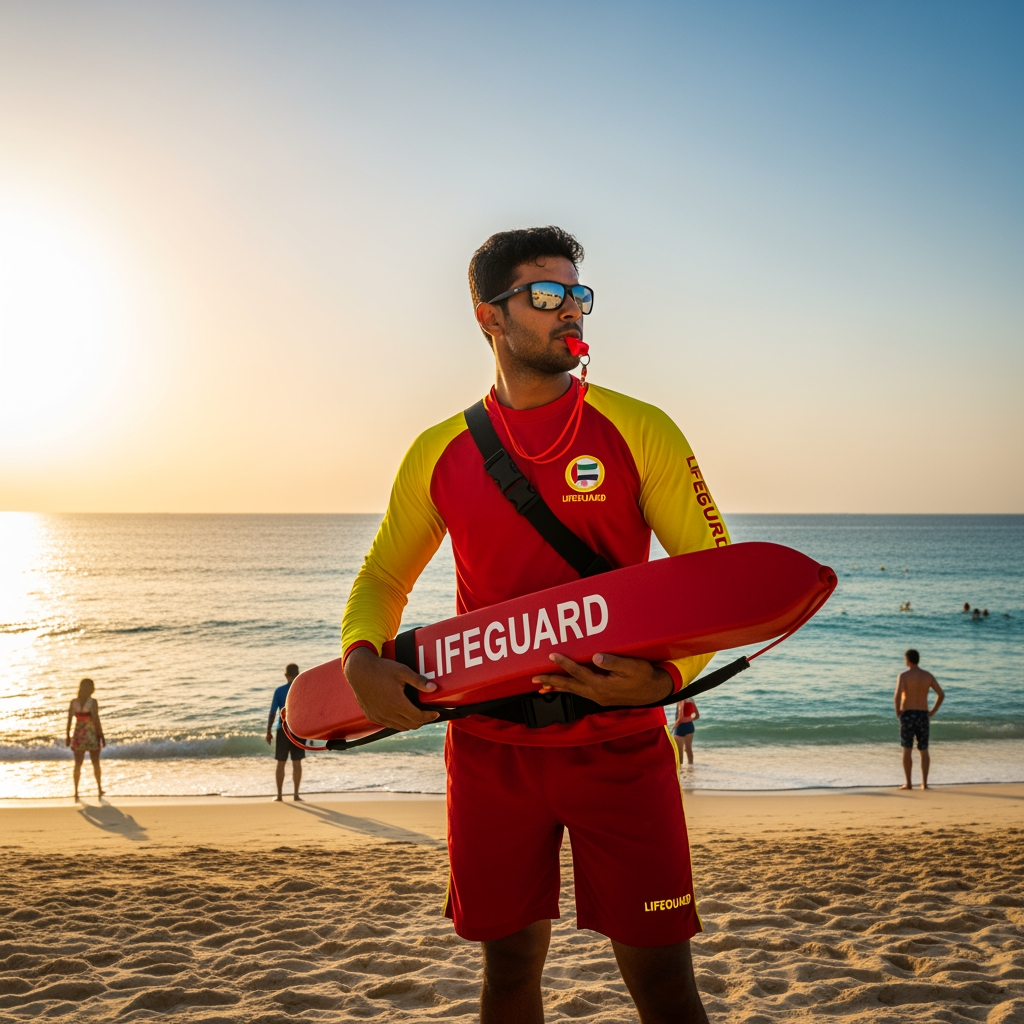
UAE lifeguards are always prepared to save lives, but experts urge better alignment between their training and daily duties.
“Lifeguards should focus solely on monitoring swimmers, avoiding distractions like taking orders or setting up furniture. Missing a distressed swimmer means no rescue,” stated Charne Schnetler, Client Service Director at Ellis & Associates.
Experts emphasize that certification alone doesn’t ensure safety at aquatic facilities. Across the UAE, professionals stress the importance of ongoing training, alertness, and effective communication, especially amidst language barriers and the rising popularity of beach activities.
Stay informed with the latest updates. Follow KT on WhatsApp Channels.
Emma Jane Forrest, Business Development Director at the same organization, noted that regulations now reinforce the connection between training and preparedness through mandatory ongoing practice. “Any agency can conduct a course over a few days, but consistent daily application is key,” she mentioned. “Lifeguards require regular, site-specific training to remain alert and ready.”
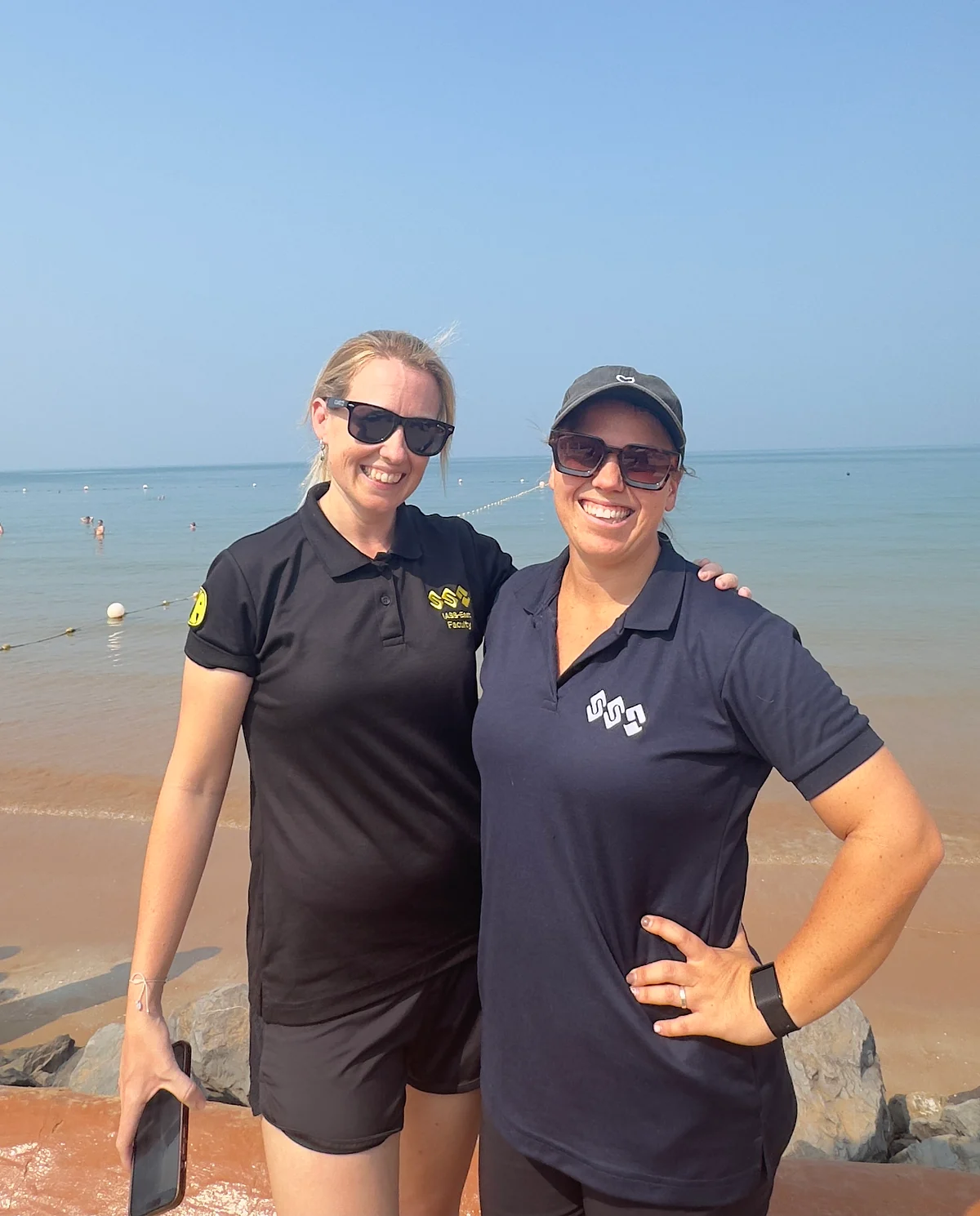
Emma (left) and Charne (right)
Forrest highlighted that current lifeguard programs mandate at least four hours of in-service training monthly, ensuring teams are proficient in both physical skills and situational awareness. “Research continually shows that consistent training determines whether a lifeguard can respond effectively in emergencies,” she added.
Ahmed El Sandoby, Senior Safety Officer at Dubai Municipality, explained that Dubai’s beaches operate under a comprehensive safety framework to minimize risks from sea conditions and visitor behavior. “Beaches are for family relaxation, yet they pose high risks, especially for children and tourists unfamiliar with the sea,” he said.
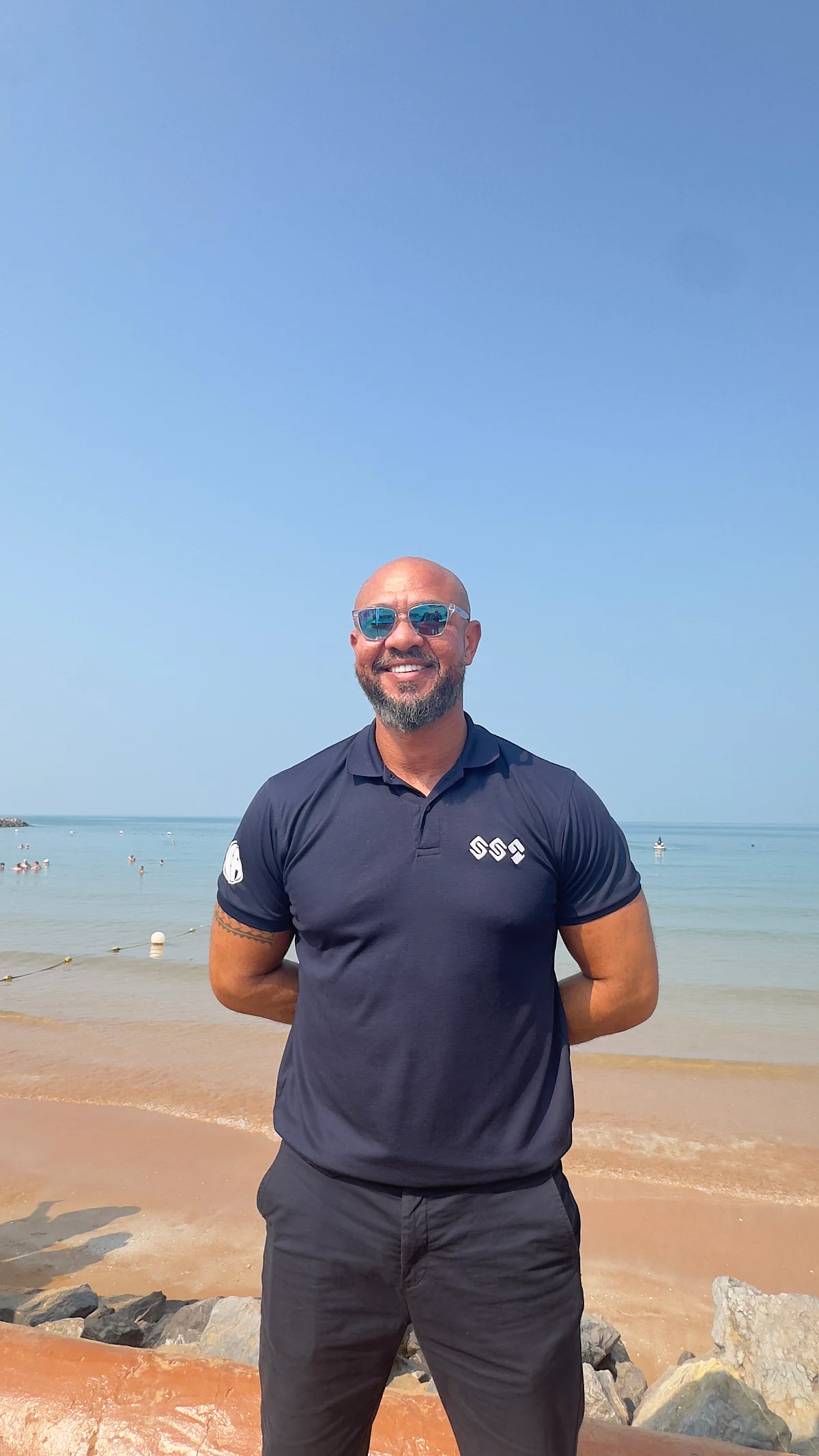
Ahmed El Sandoby
Dubai’s beach safety standards include a color-coded flag system, trained lifeguards, and clear signage warning of marine hazards and restricted zones. “We enforce rules about beach behavior, including designated pet-friendly areas,” El Sandoby noted. The municipality works with international and local organizations, like the International Life Saving Federation (ILS), to ensure lifeguards are well-certified and continuously recertified.
Despite these efforts, communication remains a major challenge. Omar Al Sultan, Lifeguard Operations Manager at Khidmah, said language barriers between lifeguards and non-Arabic-speaking visitors can delay emergency responses. “Many cases involve tourists who don’t understand lifeguards’ instructions,” he explained. “This delays quick responses during emergencies.”
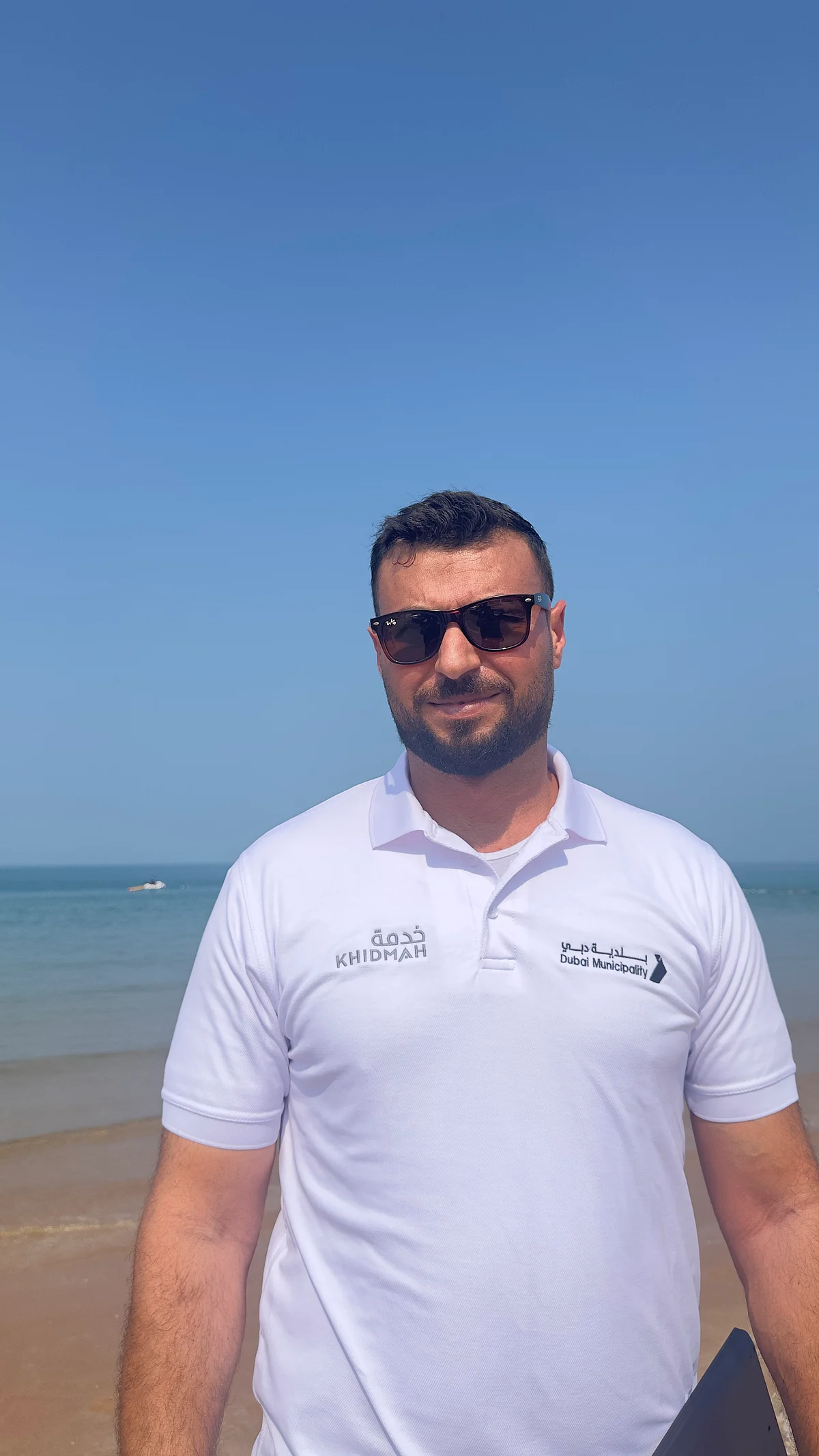
Omar Al Sultan
To tackle this, Khidmah prioritizes hiring multilingual lifeguards to effectively communicate safety information to international visitors. Al Sultan said the company also conducts weekly drills and certification programs to maintain readiness, collaborating closely with Dubai Municipality. “Each lifeguard understands the risks in their assigned area and works to prevent any danger,” he said.
Beyond Dubai, El Sandoby noted progress in other emirates like Ras Al Khaimah, where safety and awareness investments are growing. “It’s encouraging to see Ras Al Khaimah and other areas hosting initiatives and competitions focused on safety,” he said.
The Champs of the Beach Lifesaving Competition, promoting water safety and professionalism among lifeguards, was recently held at BM Beach Hotel and Longbeach Campground in Ras Al Khaimah, in partnership with the Ras Al Khaimah Tourism Development Authority.
This year’s event saw record participation, with over 100 hotels, 20 lifeguard companies, and several government and health institutions involved. Ashraf Saleh, General Manager of Bin Majid Hotels & Resorts, said the event has significantly expanded since its launch. “The strong participation from rescue teams, police, and medical partners highlights Ras Al Khaimah’s emergence as a hub for beach safety and training,” he said.