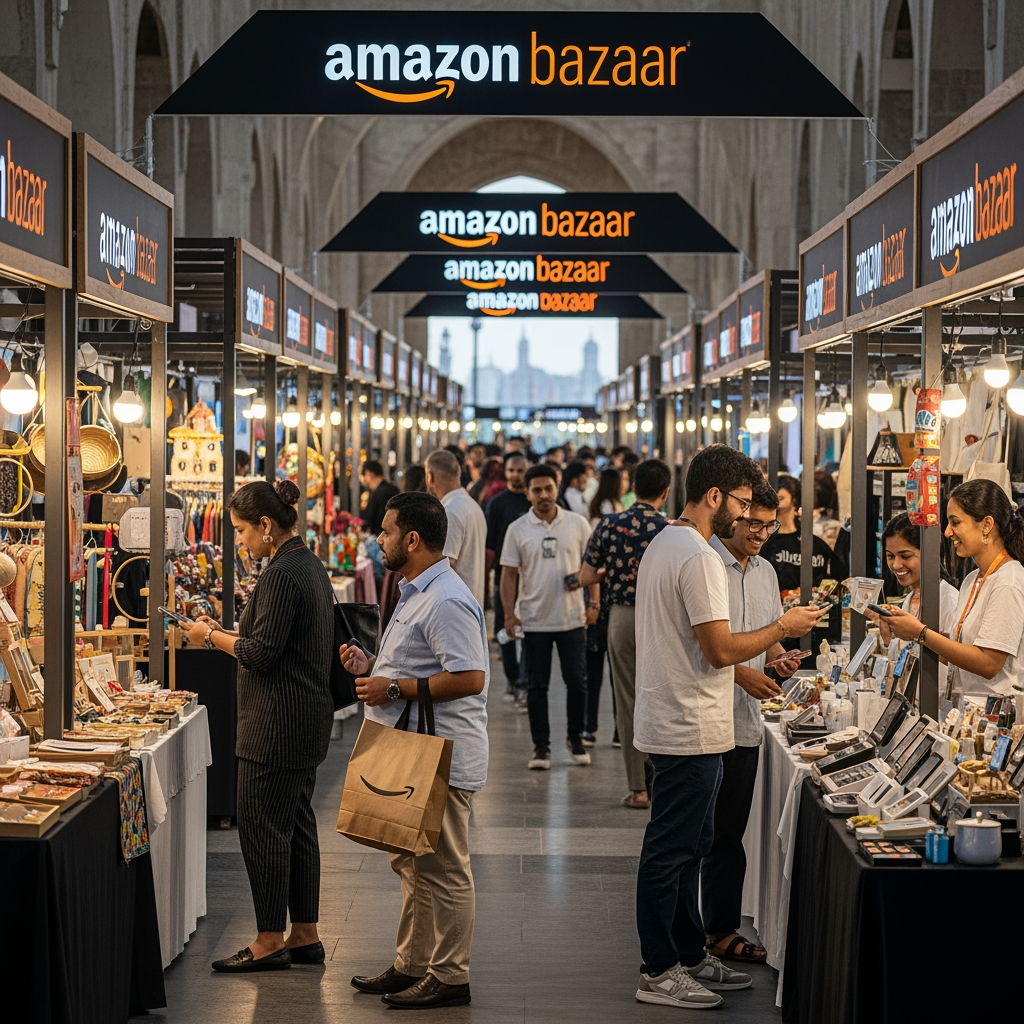
Once synonymous with luxury malls and mega sales, the retail industry in the UAE has evolved into a vibrant entity, driving tourism, cultural engagement, and economic growth. Industry experts highlight that retail is no longer merely about transactions; it’s about offering immersive experiences, storytelling, and forging emotional connections.
“Retail has always been central to the UAE’s tourism appeal—from the Dubai Shopping Festival to destination shopping adventures,” noted Ganesh Iyer, Founder & Managing Partner at FLC Marketing Group. “Today, it’s all about tourism-driven retail narratives. We observe how engaging mall activities and brand takeovers boost both visitor numbers and time spent, transforming retail into an economic and cultural magnet.”
This view is shared by Shuja Jashanmal, Group CEO of Jashanmal Group, who stressed retail’s intrinsic role in shaping the UAE’s identity. “Shopping is the unseen thread that runs through every visitor’s UAE experience. Our stores have become destinations where travelers encounter international luxury paired with the UAE’s distinctive service and retail excellence.”
Retail’s contribution to Dubai’s GDP is a notable 20 percent, as reported by the Yardstick Marketing Management Retail Report, underscoring its significance as an economic growth pillar.
Shoppertainment: From Novelty to Necessity
With the surge in e-commerce, physical retail spaces have had to reinvent themselves. The concept of “shoppertainment”—a fusion of shopping and entertainment—has emerged as a strategic necessity.
“At The Little Things, we design each store visit to be more than just a transaction,” said Hassan Tamimi, CEO of The Little Things. “It’s about creating an emotional connection with each individual. From scavenger hunts and cosplay parades to interactive pop-ups, we co-create moments that engage and excite.”
Jashanmal concurs: “The ‘shoppertainment’ revolution isn’t about choosing between digital and physical; it’s about blending them to surprise and delight. Screens can’t replace the innate human craving for tactile experiences.”
Phygital Retail: Where Online Meets Offline
The UAE’s retail sector is embracing “phygital” innovation—merging physical and digital experiences to match evolving consumer expectations.
“Phygital retail now forms an ecosystem,” said Iyer. “Consumers browse online, research on mobile, and make purchases in-store or vice versa. Our integrated approach includes QR codes for gamified discounts and retail zones that double as content studios.”
Tamimi highlighted the rise of AI, AR/VR, and IoT in retail. “Smart retail is here. We use sensors to track customer movements, personalize experiences, and provide real-time assistance. It’s about ensuring a connected, convenient, and consistent brand experience.”
Jashanmal added that predictive inventory and mobile-first operations are redefining the shopping experience. “Retail spaces are becoming intuitively aligned with human behavior—more like a dialogue and less like a transaction.”
Malls as Cultural Hubs
In an era dominated by online shopping, malls are reinventing themselves as experiential destinations.
“Malls must evolve into cultural and experiential hubs,” said Iyer. “We support mall partners with immersive experiences—from tech-enabled zones to family workshops—that convert foot traffic into fandom.”
Tamimi noted that malls should operate like media platforms. “Our store openings are launch events. A recent example is our Red Sea Mall activation in Saudi Arabia, where our mascot led a parade that attracted significant attention. These activations uplift the entire mall ecosystem.”
Jashanmal emphasized the importance of seasonal engagement. “From summer travel activations to pop-ups, malls must become multi-sensory stages where discovery transcends transactions.”
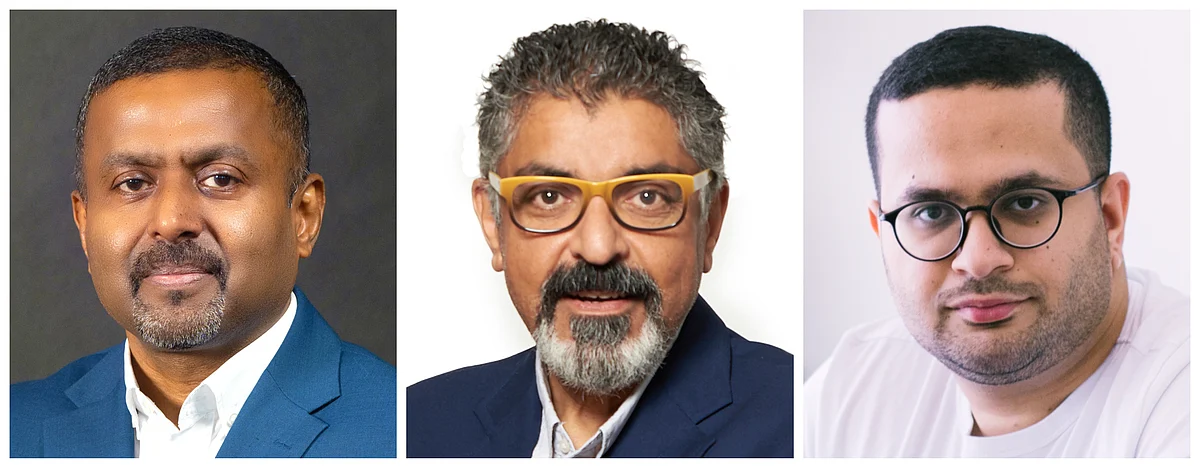
From left: Ganesh Iyer, Shuja Jashanmal and Hassan Tamimi
Smart Promotions and Data-Driven Growth
Discounts and prize offers remain effective, but only when combined with engagement and storytelling.
“Campaigns are more successful when rewards are linked to participation or social sharing,” said Iyer. “Utilize tiered prize structures or QR-linked draws to gamify shopping.”
Tamimi reported tangible results: “We’ve observed up to a 40 percent increase in foot traffic and a 25 percent rise in basket size during key campaigns.”
Jashanmal’s Back-to-School initiative exemplifies this strategy. “We launched a reward-based promotion across our stores, generating excitement and reinforcing our status as a trusted, experience-led brand.”
Outlook: Retail-Tourism Synergy Strengthens
Recent data presents a promising scenario. Dubai welcomed 9.88 million international visitors in H1 2025, with hotel occupancy at 83 percent in Q1. Retail trade in Abu Dhabi grew 3.6 percent, contributing Dh16 billion to GDP. Ras Al Khaimah recorded its best-ever H1, with tourism revenue up 9 percent.
“The UAE’s retail and tourism sectors continue to gain momentum,” said Jashanmal. “When retail combines global luxury with local cultural relevance, it becomes an essential part of the UAE’s enduring charm.”
As the lines between commerce, culture, and entertainment blur, retail is no longer merely a shopping experience—it’s a tourism strategy, a storytelling platform, and a driver of national identity.