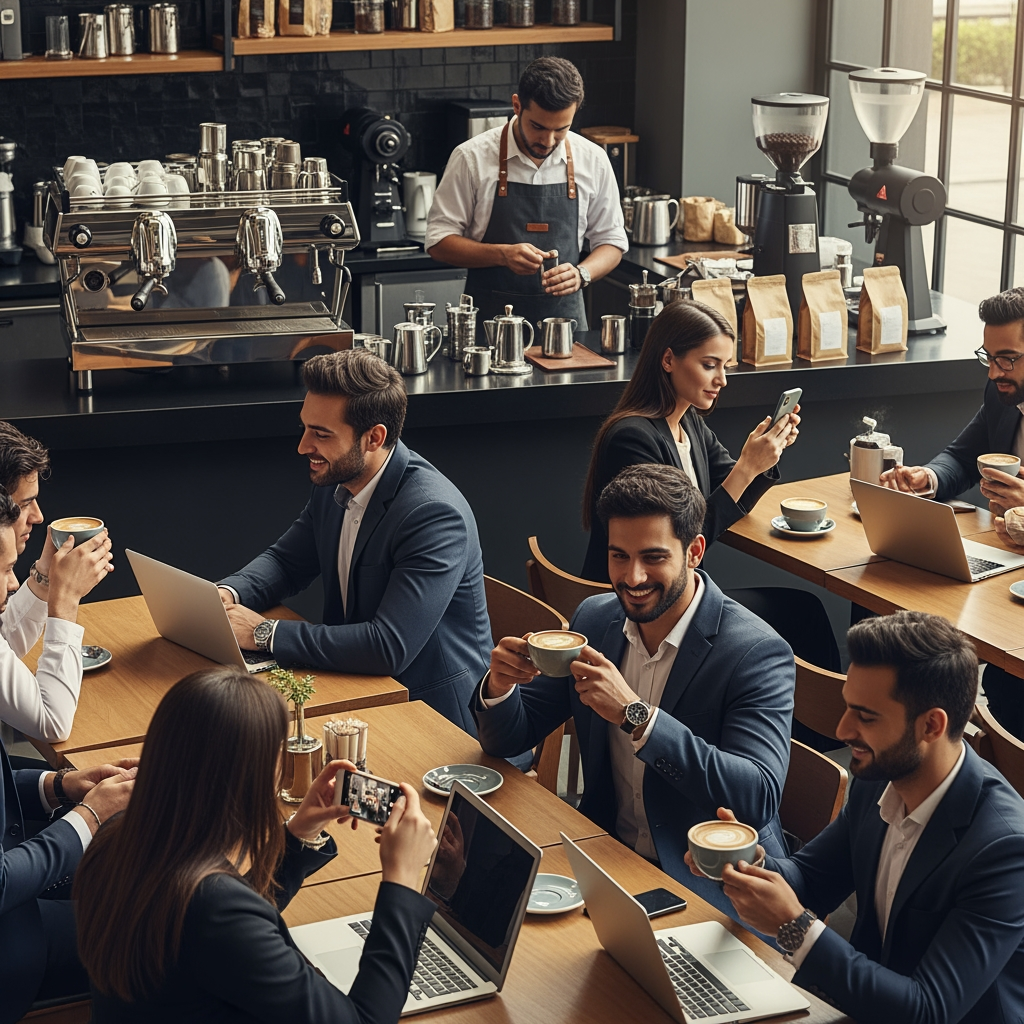
In the UAE, one ritual perfectly embodies the hustle and vibrancy of modern life: the coffee run. What began as a simple caffeine boost has transformed into a thriving business ecosystem.
From artisanal roasters and boutique cafés to advanced home brewing setups, coffee in the UAE is not merely consumed but curated, debated, personalized, and proudly displayed. With the coffee market expected to grow by 8.4% annually until 2029 and over 8,800 cafés across the Emirates, coffee has evolved from a trend into a cultural identity.
Today’s consumers seek more than convenience; they’re in pursuit of community, craftsmanship, and authenticity embodied by select brands. Increasingly, this coffee passion is moving into homes as residents invest in high-quality machines and small-batch beans to enjoy café-quality experiences at home.
Connection Over Caffeine
Ismail Al Farran, Regional Franchisee Owner at Black Sheep Coffee, believes that success in the UAE’s coffee scene starts with authenticity and presence. “People are no longer just after a caffeine fix,” he states. “They desire a space that feels like a community – connected and genuine. With diverse cultures, cafés here act as anchors in daily life.”
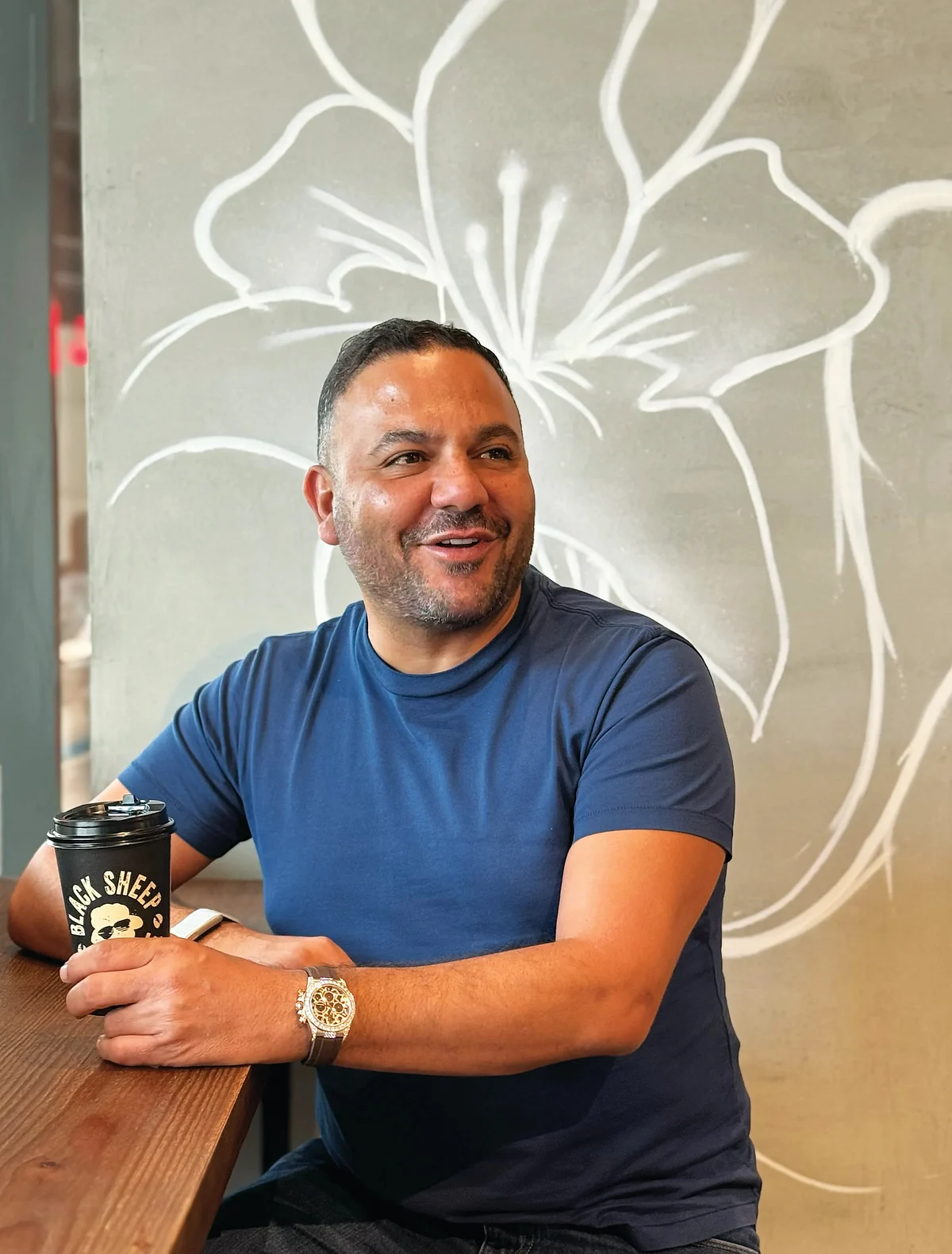
Ismail Al Farran, Regional Franchisee Owner at Black Sheep Coffee.
At Black Sheep Coffee, boldness defines the brand — even with its unique choice of 100% Robusta beans in a market dominated by Arabica. “We’re not here to play it safe,” Al Farran explains.
“Our offering includes the finest beans, passionate baristas, and spaces that feel like creative hubs rather than typical cafés. We remember your name and story; that personal touch is in our DNA.”
“The UAE’s coffee culture thrives on curiosity, craftsmanship, and culture,” says Serkan Sagsoz, Head Coffee Roaster at Julith.
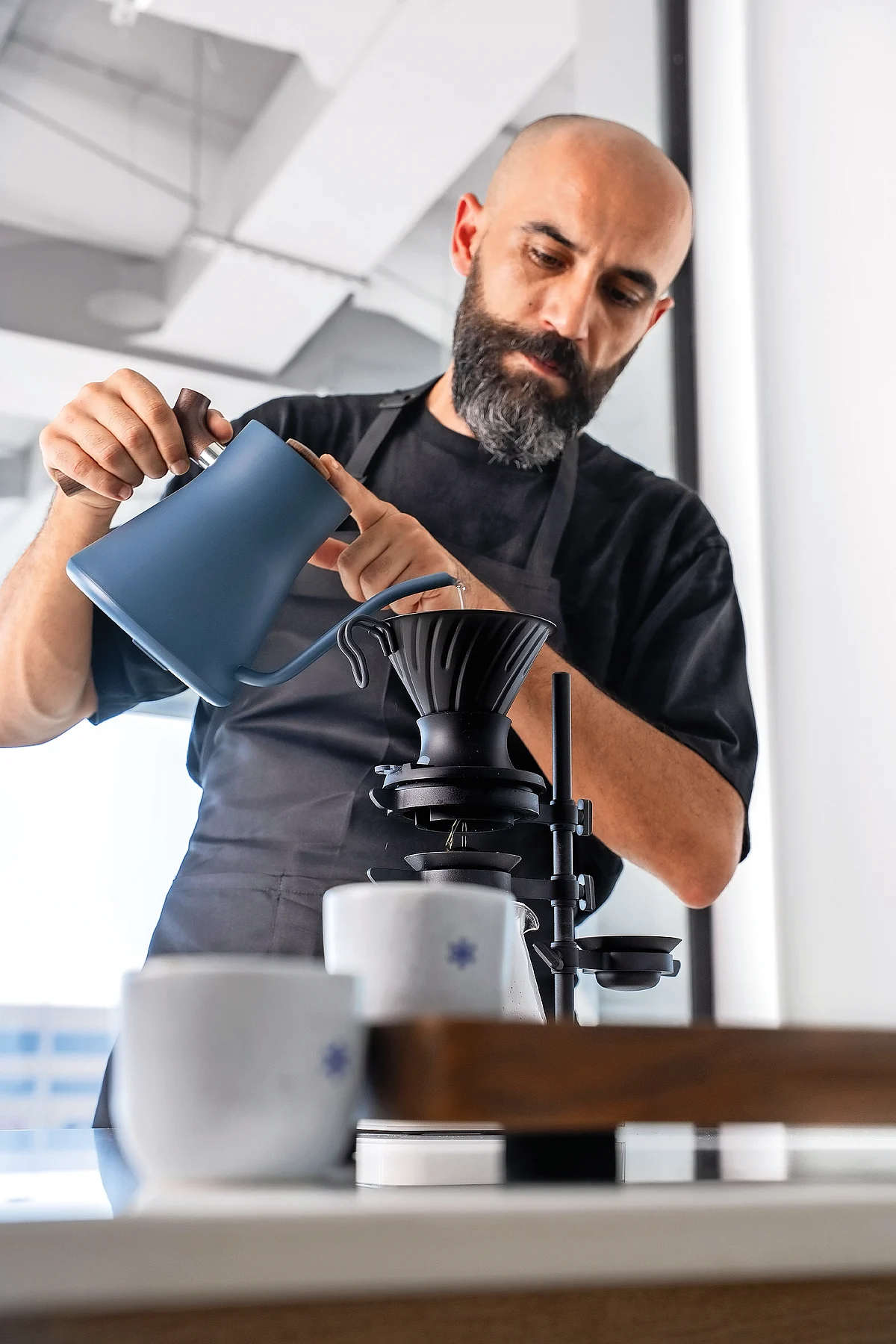
Serkan Sagsoz, Head Coffee Roaster, Julith.
“Here, people seek more than just caffeine; they want meaningful experiences. Local brands succeed by sharing authentic stories and perfecting every aspect of the coffee experience.” With a focus on traceable beans and innovative brewing methods, the emphasis has shifted from mere consumption to true appreciation.
The industry’s momentum is also entrepreneurial, fueled by founders transforming café concepts into complete lifestyle brands. “We not only see more cafés but also more sophisticated coffee brands with strong identities and communities,” observes Maria Pavani, Founder and CEO of Tres Marias Coffee.

Maria Pavani, Founder and CEO, Tres Marias Coffee.
“In five years, the UAE market has grown 8–10% annually. Coffee is an integral part of daily life — from business meetings to social gatherings. It naturally connects people.”
The home-brewing trend, driven by technology, is democratizing specialty coffee. “The UAE rapidly became one of the most exciting specialty coffee markets globally,” states David Gubbin, President of EMEA at Sage Appliances.
“People care deeply about their coffee. It’s not just about caffeine, but connection and taste. They’ve discovered a simple truth: great coffee tastes better.”

David Gubbin, President, EMEA, Sage Appliances.
New Coffee Rituals
Today’s consumers are knowledgeable about their beans, roasting profiles, and the art of pour-overs, cold brews, and single origins, leading to higher expectations.
“Coffee is ingrained in our culture here; it’s part of daily life,” says Al Farran. “Customers understand coffee, care about its origin, roast, and brewing technique, and want to feel something special with each sip.” This demand has shaped menus designed for connoisseurs. “We offer everything from V60 and Cold Brew to bold blends like Blue Volcano, Robusta Revival, and Love Berries,” he adds.
“Today, coffee is more than a caffeine fix; it’s a way to care for one’s mind and body.” Black Sheep Coffee even introduced functional blends for brain, gut, and beauty wellness. “Coffee should feel good and do good,” Al Farran notes.
“Every week brings a new café concept,” Pavani says. “From minimalist Japanese-inspired spots to experiential venues in museums and co-working spaces.”
“Recently, I took my father to the Museum of the Future, where robotic arms served us coffee — a perfect example of technology meeting tradition,” Pavani adds. Coffee now plays a central role in holistic wellness routines. “After my morning workout, I enjoy breakfast and a specialty coffee in the park — a grounding ritual connecting coffee with wellness and nature.”
The pandemic reshaped habits, with many investing in espresso machines and learning to brew like baristas, resulting in a 20% growth in the GCC home-coffee market since 2020.
“We’re witnessing a growing ‘slow life’ movement, where small daily rituals and quality over speed are valued.”
For some, the coffee cup reflects their identity and lifestyle. “Coffee has become a form of self-expression,” says Sagsoz. “It’s no longer just about flavor — it’s about identity, ritual, and connection. Whether it’s a morning espresso at home or a flat white at a favorite café, people want each cup to reflect who they are.”
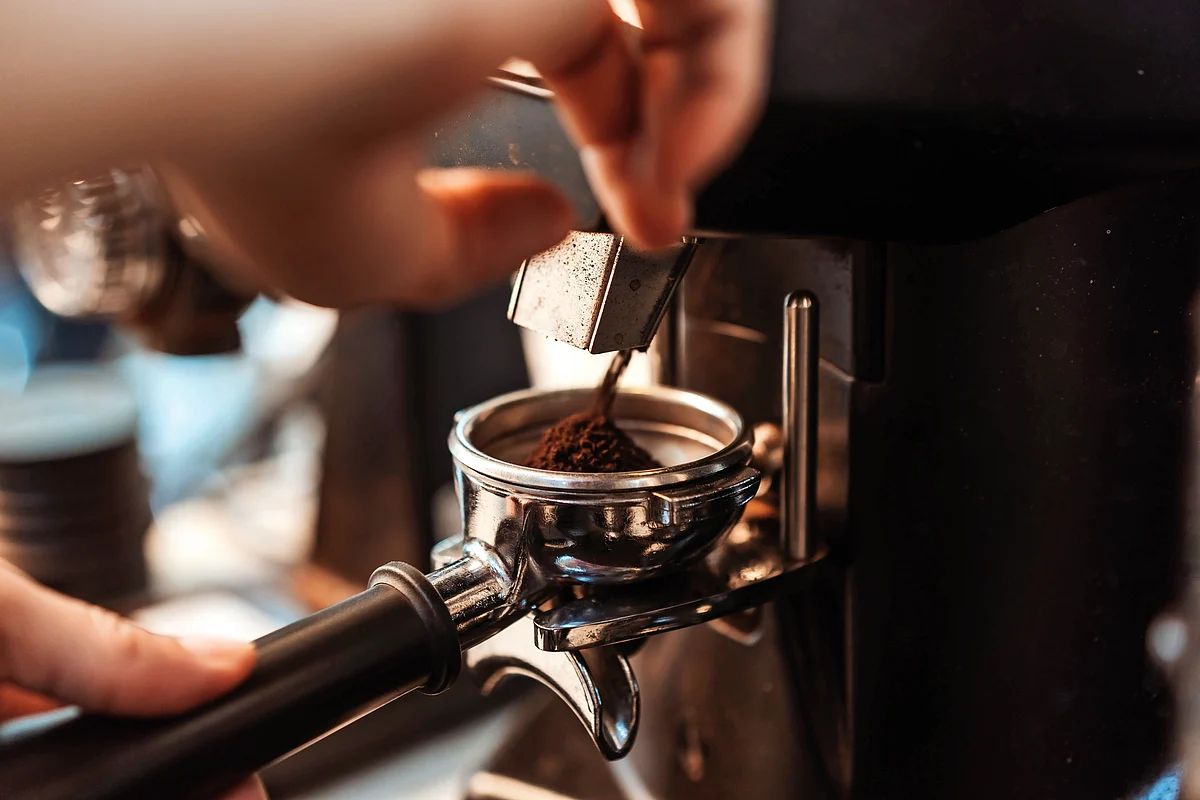
Coffee equipment sales have surged as residents invest in grinders, scales, milk frothers, and semi-automatic machines, transforming home counters into mini-breweries.
“People here are having fun with coffee, and that’s fantastic to see,” says Gubbin. “They’re not just drinking it; they’re exploring it.”
Curiosity is driving this shift, he says. “They want to understand why a Colombian tastes different from a Kenyan and how grind size or water temperature can change everything.” Yet, democratization remains crucial. “With the right equipment, anyone can enjoy better-tasting coffee daily, whether a wannabe barista or not.”
Brewed by Tech
Innovations ranging from specialty blends to smart home brewing machines are reshaping how coffee is created and enjoyed. For Black Sheep Coffee, innovation lies in both experience and ethics. “From bean sourcing to brewing, we’re constantly evolving — doing things better, smarter, and more sustainably,” says Al Farran.
The brand has invested in tech-driven brewing equipment that tracks every cup to minimize waste and ensure quality across stores: “Our machines monitor each cup poured, resulting in less waste, more consistency, and top-tier quality across all locations.”
This philosophy extends beyond machines. Black Sheep pioneered Functional Blends in the region — coffees infused with wellness benefits like Brain, Gut, and Beauty boosters. “We didn’t keep it niche; it’s integrated into the entire menu. These aren’t gimmicks; they’re high-quality drinks crafted to surprise and delight.”
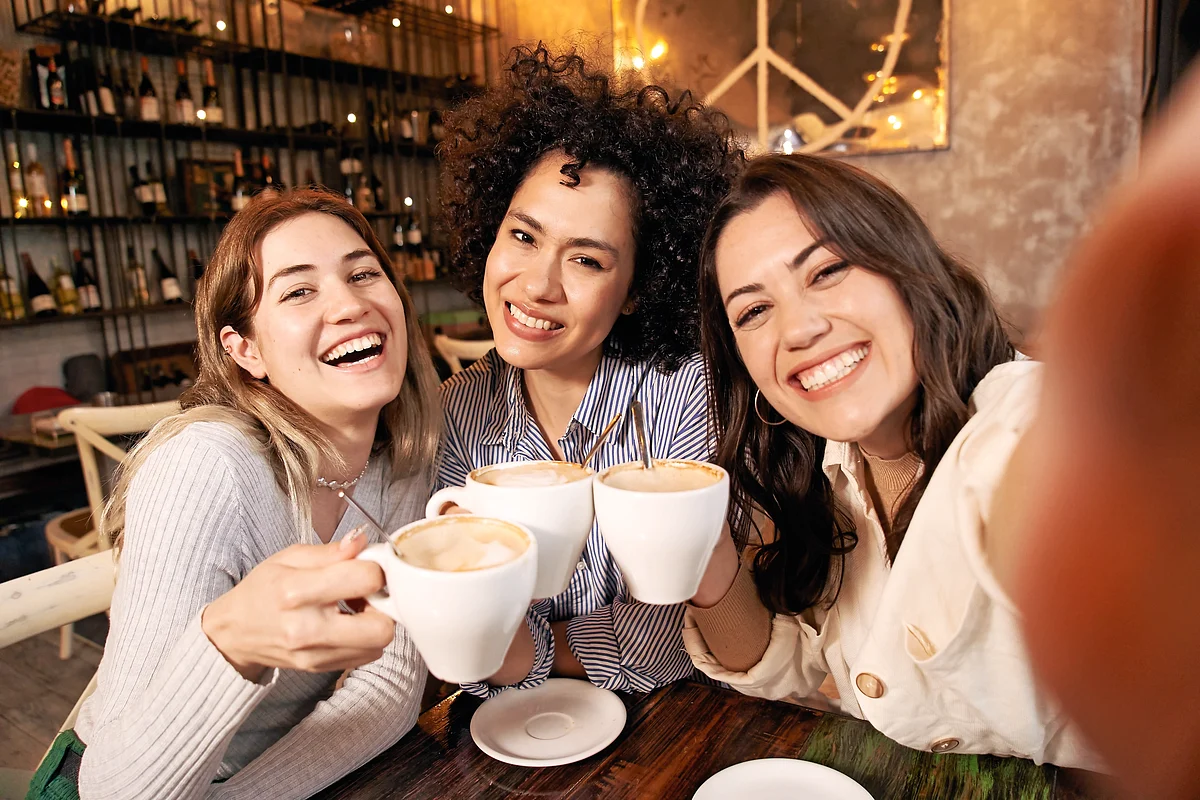
Sustainability is at the core: responsible sourcing, eco-friendly packaging, dine-in options to reduce single-use waste, and branded reusable thermos cups for customers on the go. “We’re intentional about every step of our supply chain, offering glassware and mugs in-store and encouraging reusable cups for a more conscious coffee moment.”
“Technology is revolutionizing every aspect of the coffee world — from traceable sourcing and precision roasting to data-driven brewing,” says Sagsoz. However, Sagsoz emphasizes that human artistry remains irreplaceable: “Innovation should never replace craftsmanship; it should enhance it. The best technology empowers roasters and baristas to bring each bean’s story to life with even more precision.”
Smart brewing has made the home coffee ritual more sophisticated and accessible. “Technology is quietly transforming everything, mostly for the better,” says Gubbin.
From farm-level improvements in yield and quality to smart machines calibrated for temperature, pressure, and extraction, the revolution affects every step.
“At Sage, our Four Keys Formula is rooted in great espresso science — stable temperature, consistent pressure, the right dose, and powerful steam.” The goal is simple: make precision effortless for novices and connoisseurs alike. “We don’t see technology as replacing craft; it’s about amplifying it. Great coffee should be accessible and taste amazing, whether you’re a hands-on home barista or making a brilliant flat white in your pajamas.”
Digital traceability platforms, AI-driven brewing technology, and online marketplaces create unprecedented transparency and efficiency in the coffee value chain. “Technology has made the entire coffee ecosystem more connected and efficient — from farm to cup,” states Pavani.
It’s not just machines; social media is shaping a new culture of discovery, collaboration, and storytelling. “Social media is where trends are born, collaborations occur, and brands build direct relationships with communities.”
“Technology reduces human error and gives baristas more time to engage with customers. It enhances connection, transparency, and creativity throughout the coffee chain,” she adds.
“Cafés aren’t going anywhere,” Al Farran asserts. “We love seeing more people brew at home. It means customers are learning, exploring, and getting intentional about what they drink — and that’s a win for everyone.”
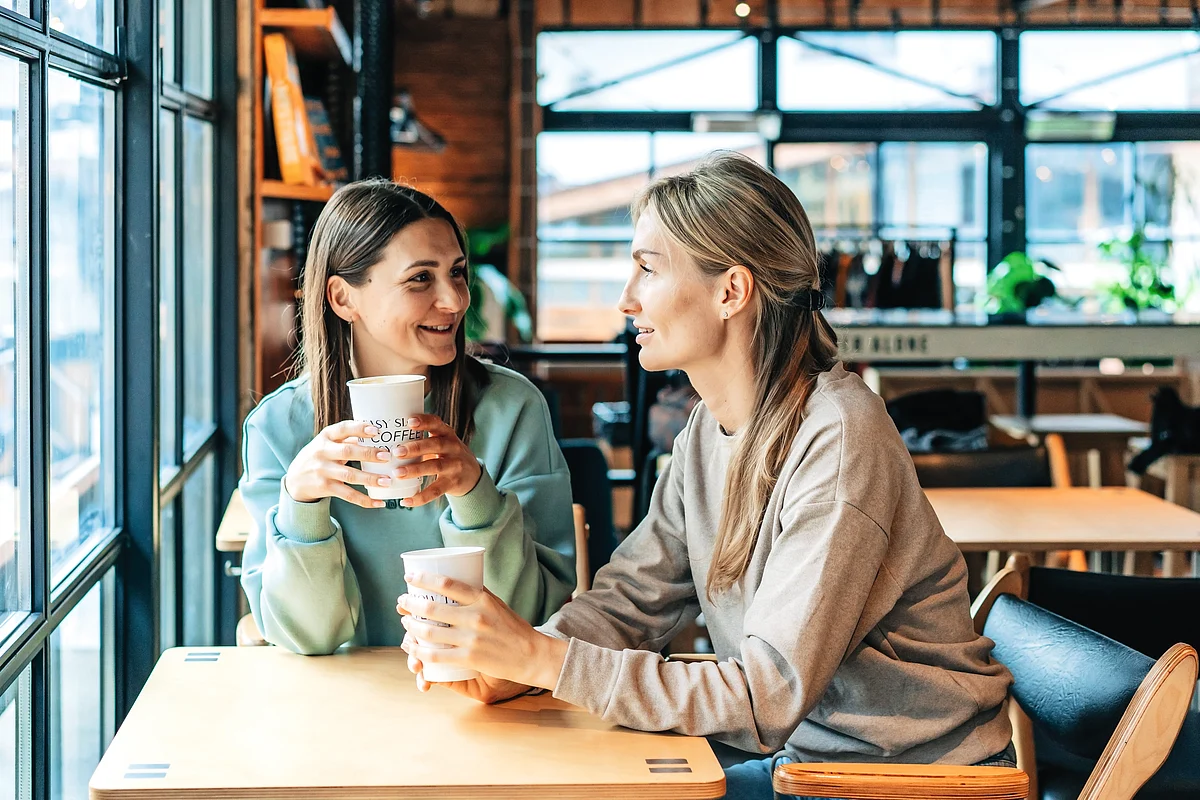
Black Sheep Coffee has embraced this shift, bringing its signature blends — Robusta Revival, Love Berries, and Blue Volcano — into fans’ homes nationwide. However, Al Farran emphasizes that cafés remain irreplaceable.
“You can’t replicate the feeling of walking into your regular spot, being greeted by name, or discovering something new on the board,” he adds. “Whether it’s a bag of beans in your kitchen or a flat white in-store, we’re here for both.”
The Rise of a Two-Home Ritual
According to the Dubai Department of Economy and Tourism (DET), Dubai welcomed 18.72 million international overnight visitors in 2024 — a 9% increase year-on-year. For a city built on global movement, that matters. Pavani sees this momentum continuing.
“In the UAE, out-of-home coffee culture remains dominant thanks to the city’s status as a global destination,” she says. “With this tourism volume, café visits in malls, business districts, and leisure venues will remain strong.”
Simultaneously, she notes a clear rise in at-home brewing as consumers become more knowledgeable and better equipped. For brands, success in this hybrid era means being discoverable online, leveraging aggregator platforms to expand reach, and staying responsive — constantly innovating, listening, and evolving with consumer taste and behavior. “As beans and equipment become more accessible, and social media educates consumers about brewing, more people are embracing rituals at home.”
For some, the shift is more a merging of worlds than a transition. Sagsoz puts it simply:
“Café culture will continue to lead, but home brewing is quickly catching up. The future is hybrid — cafés will inspire, and homes will recreate.”
Winning brands will be those that educate, connect, and remain authentic, meeting consumers wherever they choose to brew.
“Both are going to grow, but in different ways,” Gubbin says. “Cafés are where people connect, learn, and get inspired. But the at-home segment is rapidly catching up.”
The brand’s role, he says, is to bridge the gap. “The café inspires the home setup, and the home setup keeps the café experience alive each morning,” he adds. “Once you’ve tasted truly great coffee, there’s no going back, and that’s what’s driving this movement. It just tastes better.”
Would You Pay Dh3,600 for a Cup?
Julith, Dubai’s specialty coffee destination, has begun serving the world’s most valuable coffee — the legendary Nido 7 Geisha. The brand made headlines globally in August after purchasing this micro-lot for a record Dh2.22 million ($604,080) at the 2025 Best of Panama Auction, the highest price ever paid for auction coffee.
Produced in limited quantities and grown under exceptional micro-climatic conditions, Nido 7 Geisha represents decades of elite craftsmanship. It achieved an unprecedented 98-point score at the prestigious Best of Panama competition, with six judges awarding a perfect 100, a near-impossible feat in specialty coffee history.
Julith has reserved part of this historic lot exclusively for the Dubai Royal Family and is now offering the rare coffee to the public by the cup or through an exclusive Panama Geisha Experience — a guided, immersive tasting for up to four guests.
The Experience
Each session explores the journey of Nido 7 — from Panama’s high-altitude terroir to precision roasting and brewing techniques that unlock its rare floral aromatics, vibrant acidity, and exceptional depth. One cup of Nido 7 is included per session, with additional cups available upon request. Guests may also choose to enjoy the coffee à la carte (priced at Dh3,600 per cup).