The UN investigator who recently accused Israel of genocide in Gaza draws parallels with the Rwandan massacre, expressing hope that Israeli leaders will face justice.
Navi Pillay, a former South African judge who led the tribunal for the 1994 Rwanda genocide and served as UN human rights chief, admits that justice “is a slow process”.
Quoting Nelson Mandela, she told AFP, “It always seems impossible until it’s done.”
“I don’t find it impossible that there will be arrests and trials” in the future, she said.
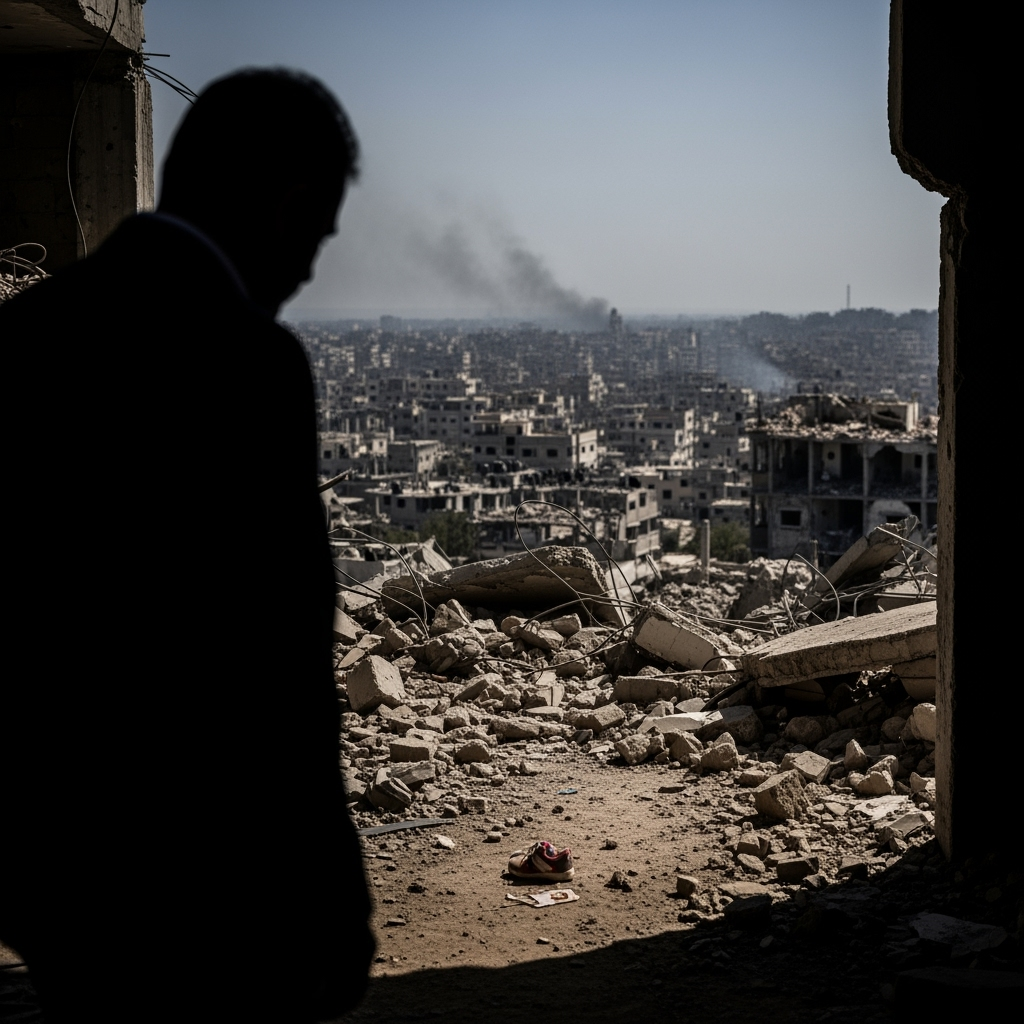
Pillay’s Independent International Commission of Inquiry (COI), which operates independently of the United Nations, released a report on Tuesday stating that “genocide is occurring in Gaza,” a claim Israel denies.
The report also accuses Israeli President Isaac Herzog, Prime Minister Benjamin Netanyahu, and former defense minister Yoav Gallant of “inciting genocide”.
Israel has outright rejected these findings, calling the report “distorted and false”.
Pillay, however, sees clear parallels with Rwanda, where around 800,000 people, mainly ethnic Tutsis and moderate Hutus, were killed.
Having led the International Criminal Tribunal for Rwanda, she recalls the lasting impact of witnessing footage of civilian atrocities.
“I see similarities” with Gaza, she noted, highlighting “similar methods”.
In Rwanda, Tutsis were targeted; in Gaza, she argues, “all evidence points to Palestinians as a targeted group”.
She points to rhetoric from Israeli leaders, such as calling Palestinians “animals,” reminiscent of Rwandan genocide language labeling Tutsis as “cockroaches”.
In both cases, the target population is “dehumanized,” suggesting “it’s okay to kill them”.
– ‘Traumatic’ –
The International Criminal Court has issued arrest warrants for Netanyahu and Gallant for alleged war crimes.
Pillay acknowledges the challenges in holding them accountable, noting the ICC lacks its own enforcement agency.
Yet she emphasizes that public demand can drive change, as seen in South Africa.
“I never imagined apartheid would end in my lifetime,” she reflected.
Pillay, who advanced to become a judge in apartheid South Africa despite her Indian heritage, has a history of tackling tough cases.
Her career spans defending anti-apartheid activists in South Africa to roles at the Rwanda tribunal, the ICC, and as the UN’s human rights chief from 2008 to 2014.
At 83, she undertook a challenging role four years ago to lead the COI investigating rights abuses in Palestine and Israel.
Since then, she and her team have faced accusations of bias and antisemitism, which they deny, amid calls for U.S. sanctions against them.
The pressure has been immense, but Pillay says the most difficult part has been viewing video evidence from Gaza.
“Watching those videos is just traumatic,” she said, citing images of “sexual violence against women and abuse of doctors stripped by the military.”
“It’s excruciating” to watch.
Looking ahead, she aims to compile a list of suspected perpetrators and investigate countries supporting Israel.
This work will continue with her successor, as Pillay plans to leave the commission in November due to age and health concerns.
Before her departure, she plans to present her report to the UN General Assembly in New York, and so far, “I have heard nothing about that visa being withdrawn”.